Water Damage Restoration Chula Vista
Water Damage? Start HereStop the water if it is safe, stay away from electrical and sewage hazards, then get a professional assessment once the damage is more than a small spill you can dry completely. Water damage restoration Chula Vista means finding the water, extracting it, drying the structure with monitored equipment, cleaning, and repairing what could not be saved. The sooner it starts, the less there is to repair.
First Few Minutes
What to Do First After Water Damage in Chula Vista
For water damage in Chula Vista, three moves matter most and go in this order: stop the source if it is safe, avoid electrical and contaminated water, then get an assessment once the damage is more than a small spill.
Identify the Source of the Water
Look for a burst pipe, plumbing leak, water heater, appliance line, AC drain, roof leak, heavy rain, flooding or sewage backup. The source decides who you call and what safety rules apply.
Stop the Water Source When It Is Safe
Close the fixture shutoff, or the main water valve if a supply line failed. For an AC leak, turn the system off. Never reach for a valve if you must stand in water near electricity.
Protect People, Pets, and Property
Keep people and pets out of affected rooms. Stay away from outlets, cords and appliances, and never wade through sewage or floodwater. Move safe belongings to dry ground.
Document the Damage Before Cleanup
Photograph and video every affected area and item before touching anything, and keep receipts. This helps any insurance claim and shows the restoration team what changed.
When Immediate Professional Help Is Needed
Call right away for standing water, sewage, electrical danger, water inside walls, ceilings or floors, a large area, an unknown source or a strong musty odor. Do not wait because the surface looks dry.
How Serious Is the Water Damage?
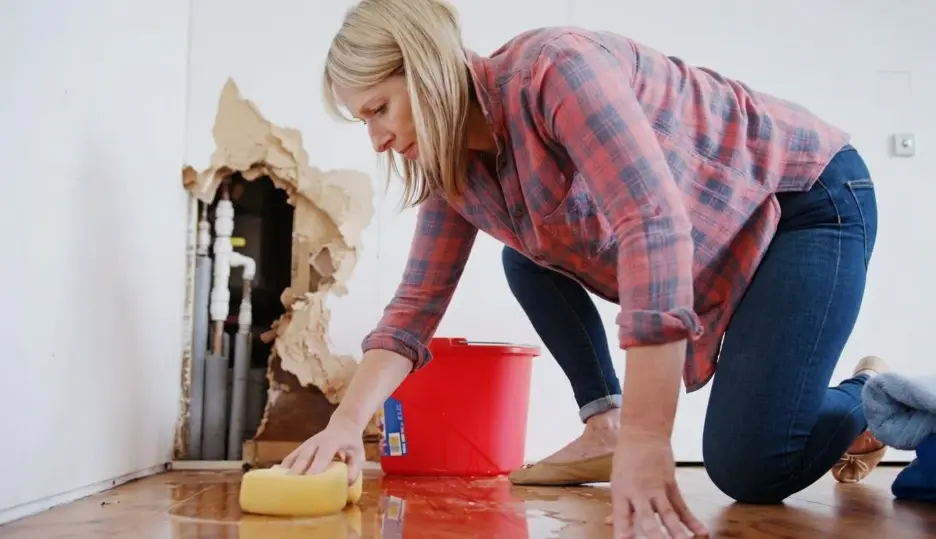
Severity decides how much equipment, time and material work a water damage restoration job in Chula Vista needs.
Minor Water Damage
A small, accessible, clean-water spill with the source stopped. It can often be dried completely without a crew.
Moderate Water Damage
Several areas are wet, or water reached walls, carpet pad or subfloor. Moisture meters are needed to find how far it spread.
Severe Water Damage
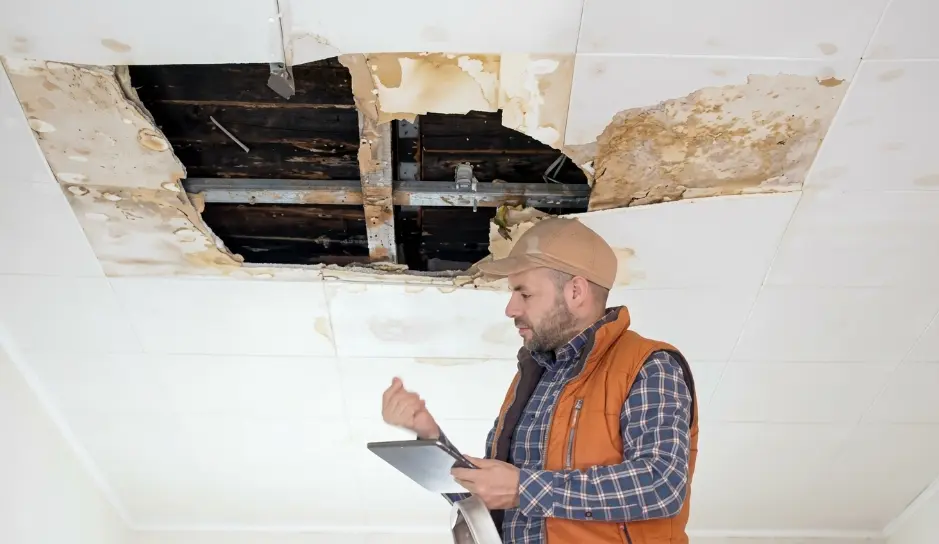
Multiple rooms, saturated materials or moisture inside the structure. Extraction, structural drying and monitoring are all required.
Water Damage That Is an Emergency
Sewage, floodwater, electrical risk or water that is still flowing. Safety comes first and professional help is needed now.
Why Severity Is More Than the Amount of Water
A small amount of contaminated water, or clean water left for days, can be worse than a larger clean spill caught fast. Water type and time matter as much as volume.
Who Should You Call First After Water Damage?
The right first call depends on the source. If you are unsure, call a water damage restoration Chula Vista professional to assess, because drying should not wait for repairs.
When to Call a Plumber
Water is still flowing from a pipe, heater or fixture. A plumber fixes the source, then restoration dries what got wet.
When to Call a Water Damage Restoration Professional
Walls, floors, ceilings or carpet are wet. Restoration finds the moisture, removes the water and dries the structure.
When a Roofer May Be Needed
Rain is entering through the roof. A roofer stops the leak while restoration handles the wet interior.
When Chula Vista Public Works or Another Public Agency May Be Involved
For flooding from a blocked storm drain, the city says to call Public Works at (619) 397-6000 (Mon to Thu 6:30am to 4:00pm, Fri 6:30am to 3:00pm). Ask them whether a problem is public or private.
When Sewer or Contaminated Water Requires Specialized Help
Stay out of the water and call a professional equipped for contaminated water. Do not clean sewage like a clean-water spill.
When Electrical or Structural Safety Comes First
If water is near outlets, a panel or a sagging ceiling, leave the area and get a qualified professional before anything else.
Can You Clean Up Water Damage Yourself?
Water damage restoration is the process of finding the water, removing it, drying the structure, cleaning and repairing what could not be saved. The benefit of water damage restoration is limiting how much has to be replaced. DIY water damage restoration only fits a narrow set of cases. For the full walkthrough, read our water damage restoration guide.
When DIY Cleanup May Be Reasonable
A small, accessible, clean-water spill with the source stopped, no electrical risk and materials you can dry completely.
Situations Where Professional Restoration Is Safer
Standing water, water in walls or floors, a large area, an unknown source or anything you cannot dry fully.
Why Sewage and Floodwater Are Different
They carry contamination that surface cleaning does not remove, so they need specialized cleaning and often material removal.
When Hidden Moisture Makes DIY Risky
You cannot confirm dryness by touch. Moisture behind walls or under flooring can stay wet and cause damage later.
When Mold Changes the Cleanup Decision
Once mold is present, the job moves from drying to remediation. Chula Vista mold remediation needs its own plan, and the EPA explains moisture and mold basics at epa.gov/mold.
What Happens During a Water Damage Assessment?
A water damage assessment turns a guess into a plan. A water damage restoration Chula Vista assessment should cover these six things.
Finding and Understanding the Water Source
The technician confirms where the water came from and whether it is still active.
Inspecting Affected Rooms and Materials
Each room and material is checked for visible damage and what it absorbed.
Measuring Moisture
Moisture meters give readings that become the baseline for drying.
Looking for Hidden Water
Wall cavities, subfloors, cabinets and adjacent rooms are checked for moisture you cannot see.
Evaluating Contamination and Material Damage
The water type and the condition of materials decide what can be dried and what must be removed.
Creating a Drying and Restoration Plan
You should receive a written scope covering equipment, monitoring and which materials are affected.
Water Extraction vs. Structural Drying
Extraction removes the water you can see. Structural drying removes the moisture you cannot.
What Water Extraction Removes
Standing and bulk water extraction from floors, carpet and other surfaces.
Why Removing Standing Water Is Not Enough
Wet materials still hold moisture after the puddles are gone, and that moisture can lead to damage and mold.
How Structural Drying Works
Air movers and dehumidifiers pull moisture out of materials and the air until readings reach acceptable levels.
Air Movers and Dehumidifiers
Air movers increase airflow across wet surfaces. Dehumidifiers remove moisture from the air so drying continues.
Moisture Monitoring During Drying
Readings are taken on return visits and equipment is adjusted. Drying is tracked, not assumed.
When Materials May Need Removal
If a material is too saturated, contaminated or cannot dry, removing it can be faster and safer than trying to save it.
The Process
Water Damage Restoration Chula Vista: The 8-Step Process
A thorough water damage restoration process in Chula Vista follows eight steps, and the middle steps prevent problems weeks later.
Source Control and Safety
Stop or confirm the source is stopped and make the area safe.
Inspection and Moisture Mapping
A water damage inspection maps where moisture is and records baseline readings.
Water Extraction
Remove standing and bulk water.
Structural Drying
Set air movers and dehumidifiers for the actual moisture problem.
Cleaning and Decontamination
Water damage cleanup matches the water type. Contaminated water needs more than a wipe-down.
Drying Monitoring
Track readings and adjust equipment until materials are acceptably dry.
Repairs and Reconstruction
Water damage repair rebuilds drywall, flooring and finishes that could not be saved.
Final Restoration Verification
Confirm moisture conditions and document the result.
How Long Does Water Damage Restoration Take?
How long does water damage restoration take? There is no single answer. Active drying on a typical water damage restoration Chula Vista job commonly takes several days, and repairs run afterward on their own timeline.
What Happens During the First Few Hours
Source control, safety, inspection, extraction and equipment setup.
Why the First 24–48 Hours Matter
Wet materials left damp can start growing mold in roughly this window, so fast extraction and drying lower the risk.
How Long Active Drying Can Take
It ends when moisture readings say so, not on a set date. Many jobs take several days.
Why Some Restoration Projects Take Longer
Hidden moisture, dense materials, contamination or added material removal extend the schedule.
Factors That Affect the Timeline
Amount of water, water type, materials, area size, humidity, equipment setup and how quickly drying began.
Why Same-Day Service Does Not Mean Same-Day Completion
Same-day service means the crew starts the same day. Drying, verification and repairs still follow. Mitigation and drying come first, and reconstruction is scheduled afterward.
What Should You See During the Restoration Process?
Knowing what normal looks like helps you spot a problem early.
What the Property May Look Like Before Restoration
Standing water, wet or stained materials and possibly an odor.
What Changes During Extraction and Drying
Water is removed, equipment runs in affected rooms and some materials may be taken out.
How Moisture Readings Should Change
Readings should trend down across visits toward acceptable levels.
What the Property Should Look Like After Restoration
Dry materials, no active odor, and a clear record of readings and work.
Signs That the Problem May Not Be Fully Resolved
Readings that stall, a persistent musty odor, new stains, swelling floors or soft drywall.
How Do You Know Water Damage Restoration Is Complete?
Completion is verified, not assumed.
Confirming the Water Source Has Been Resolved
The leak, backup or intrusion that caused the loss has been fixed.
Checking Moisture Levels
Final readings show materials at acceptable levels.
Checking Hidden and Adjacent Areas
Wall cavities, subfloors and nearby rooms were rechecked.
Addressing Odor, Staining, and Visible Damage
Lingering odor or stains are treated or flagged for repair.
Confirming Cleaning and Decontamination
Cleaning matches the water type and is confirmed.
Final Documentation and Verification
You receive records of readings and work for your files and any claim.
Cost
How Much Does Water Damage Restoration Chula Vista Cost?
There is no universal price for water damage restoration Chula Vista homeowners can rely on, and we found no verified local study. Third-party 2026 guides put water damage restoration cost per square foot at roughly $3 to $7.50 nationally, with typical whole projects around $1,300 to $6,500. One San Diego listing site reports an average near $3,830. Use these as a guide only. Your cost comes from an assessment.
What Determines the Cost
Scope, water type, materials, how long they stayed wet and whether hidden damage is found.
Amount and Extent of Water Damage
More area means more equipment, labor and drying time.
Type of Materials Affected
Carpet, drywall, hardwood and cabinets dry or fail differently.
Duration of Moisture Exposure
The longer materials stay wet, the more may need replacing.
Contaminated vs. Clean Water
Third-party guides put contaminated water at the higher end per square foot.
Hidden Damage and Material Removal
Findings during drying can widen the scope.
Restoration vs. Reconstruction Costs
Drying and rebuilding are priced separately.
Extraction, drying equipment and monitoring.
Rebuilding drywall, flooring, cabinetry and finishes.
Questions to ask before you compare estimates
- Are extraction, drying, monitoring and demolition included?
- Is reconstruction separate?
- Are after-hours charges different?
- Is the inspection free or is there a fee?
Does Insurance Cover Water Damage Restoration in California?
Whether insurance pays for water damage restoration Chula Vista homeowners need depends on the cause and your policy. Sudden and accidental discharge, such as a burst pipe, is commonly covered. This is general information, not insurance advice.
Why the Cause of Water Damage Matters
Insurers treat sudden internal loss, slow leaks, flooding and sewer backup differently.
Water Damage vs. Flood Damage Coverage
Flooding from outside generally needs a separate flood policy. See FloodSmart. Sewer backup commonly needs an endorsement.
What to Document for an Insurance Claim
Photos, video, the source, the dates, receipts and the written restoration estimate.
Understanding Your Deductible
Ask what deductible applies to this type of loss before work begins.
Restoration Estimates and the Scope of Loss
A line-by-line estimate shows the scope your insurer can review.
What to Do if Additional Damage Is Discovered
Report new findings to your insurer promptly, with photos and an updated scope.
Why Coverage Should Be Confirmed With Your Insurer
Never assume coverage. Ask your insurer before relying on any answer, including this page.
Local Conditions
Why Water Damage Can Be Different Across Chula Vista
The source of the water changes the response, so local infrastructure matters. Whether it is water damage Chula Vista residents get from a pipe or flood restoration Chula Vista crews handle after a storm, know where the water came from.
Chula Vista’s Stormwater and Drainage System
The city says its storm drain system includes about 1.7 million feet of pipe and 1.6 million feet of storm channels (city page).
Heavy Rain and Drainage Capacity
Sandbags are offered at Public Works during significant storms, per the city. Blocked drains can cause local flooding.
Stormwater Channels and Flooding Pathways
Water follows channels and grading. Check your address on the FEMA flood map, since we could not verify city-specific flood zones.
Sewer Infrastructure and Water Intrusion
The city reports over 430 miles of sewer pipe and 12 pump stations, and says grease is a primary cause of blockages (city page).
Private Property vs. Public Infrastructure
We could not verify which part of a sewer or drain line is yours. Ask Public Works at (619) 397-6000.
Why the Source of the Water Matters
It decides who is responsible, what safety rules apply and what insurance may cover.
Water Damage Restoration Chula Vista Areas and Communities
Water damage restoration Chula Vista coverage depends on your address. Looking for water damage restoration near me in the 91911 area or elsewhere in the city? Call to confirm availability for your address. Housing age, roofs and plumbing differ across communities, so ask the technician to inspect your home’s specifics. Our wider San Diego water damage restoration page covers the rest of the county.
Western and Established Areas of Chula Vista
Established neighborhoods may have older plumbing and roofing worth checking after a loss.
Eastlake
Water damage here is handled the same way: find the source, extract, dry and verify.
Rancho del Rey
Same process, with the source and building type deciding the scope.
Rolling Hills Ranch
Roof, plumbing and drainage checks apply as in any hillside community.
San Miguel Ranch
Ask the technician to check roof and exterior water paths.
Otay Ranch
Multi-story layouts can hide leaks above finished rooms.
Sunbow
Attached homes can let water travel to adjacent units, so tell neighbors and property managers.
Millenia
Newer buildings still need moisture verification after a loss.
Bayfront and Other Relevant Local Areas
Lower-lying areas near the bay may face different water risks. Verify with FEMA and the city.
Telegraph Canyon and Local Drainage Context
We could not verify specific flood data here. Check drainage near your property and ask Public Works.
Nearby San Diego County pages: Carlsbad, Del Mar and La Mesa. Outside the area, the same process is documented for Los Angeles, San Francisco, San Jose and Phoenix.
How to Choose a Water Damage Restoration Chula Vista Company
If you search for water damage restoration companies near me, compare what you can verify, not claims. Read water damage restoration Chula Vista reviews, then check the paperwork. The best water damage restoration Chula Vista company is the one whose license, insurance and scope hold up. You can see how our own team works on our about page.
Verify the California Contractor License
A license is required for work over $1,000 (labor and materials) since January 1, 2025. Check the number on the CSLB website and ask which classification covers the work.
Check Applicable Insurance
Ask for proof of insurance, not a badge.
Verify Relevant IICRC Credentials
IICRC certification is an industry standard, not a state requirement. Ask which technicians hold it at iicrc.org.
Review Customer Experiences
Look for patterns across several reviews rather than one score.
Ask for a Written Scope of Work
Get extraction, drying, monitoring and removal in writing.
Ask How Moisture Will Be Monitored
Ask how often readings are taken and recorded.
Ask How Completion Will Be Verified
Ask what final readings and documentation you will receive.
Understand Who Handles the Original Water Source
Clarify who repairs the cause. CSLB advises no more than 10% down or $1,000, whichever is less.
What Does 24/7 Water Damage Restoration Chula Vista Service Actually Mean?
The phrase can mean very different things. Whether you need emergency water damage response at 2 a.m. or a next-day visit, ask about each part, and do not trust a response-time claim the business cannot verify.
24/7 Phone Availability
Someone answers or calls back.
24/7 Dispatch
A team can be assigned.
After-Hours Technician Availability
A technician is actually available.
Physical Response vs. Phone Support
Phone advice is not the same as someone arriving to work.
Same-Day Assessment vs. Same-Day Completion
An early visit does not mean the job is finished that day.
Questions to Ask Before Hiring an Emergency Restoration Company
How fast can you arrive, what work is done on the first visit, and are after-hours charges different?
What Should You Do After Water Damage Restoration Chula Vista?
After water damage restoration Chula Vista properties still need watching. Dry ends the emergency. It does not end your responsibility to watch the property.
Monitor for Returning Moisture
Check treated areas over the following weeks.
Watch for New Stains or Swelling
These can signal moisture that was missed.
Pay Attention to Persistent Odors
A musty smell can point to hidden moisture.
Check for Recurring Water Intrusion
Look after rain, heavy use or appliance cycles.
Address the Original Cause
Make sure the leak, roof or drainage issue is fixed.
Keep Restoration and Insurance Documentation
Store readings, photos, estimates and receipts.
How to Prevent Future Water Damage in Chula Vista
Preventing water damage Chula Vista homes face mostly comes down to early attention.
Monitor Plumbing Connections and Appliances
Inspect supply hoses and connections, and replace worn ones.
Maintain Water Heaters and Supply Lines
Check for corrosion, drips and age.
Watch for Roof and Exterior Water Intrusion
Inspect roofing, flashing and gutters before storms.
Maintain Appropriate Drainage Around the Property
Keep drains and grading clear of debris.
Understand Recurring Sewer Problems
Never pour grease or cooking oil down drains, and investigate repeat backups.
Respond Early to Dampness, Odors, and Staining
Small signs are cheaper to fix than large damage.
When Water Damage Restoration Is Not the Only Solution
Restoration dries and repairs the damage. It does not always fix the cause.
Plumbing Repair for an Active Leak
A plumber fixes the pipe or fixture.
Roof Repair for Exterior Water Intrusion
A roofer fixes the entry point.
Sewer Investigation for Recurring Backups
Repeat backups need a line inspection. Chula Vista mold remediation may also be needed if moisture led to mold, which widens the job into water damage remediation.
City or Public Infrastructure Issues
Call Public Works at (619) 397-6000.
Electrical or Structural Safety Problems
These come first and need a qualified professional.
When Limited DIY Cleanup May Be Appropriate
Only for a small, clean, accessible spill that dries completely.
Final Water Damage Restoration Chula Vista Checklist
Use this to confirm nothing was missed.
Is the Water Source Fixed?
The cause is repaired, not just the damage.
Has All Affected Moisture Been Identified?
Hidden and adjacent areas were checked.
Has the Property Been Properly Dried?
Readings confirm it.
Has Contamination Been Addressed?
Cleaning matches the water type.
Has the Damage Been Verified?
Final verification is documented.
Has Necessary Repair or Reconstruction Been Completed?
Rebuild work is done or scheduled.
Do You Know What to Monitor After Restoration?
You know the warning signs.
Do You Have the Documentation You Need?
Records are saved for you and your insurer.
Emergency Decision Card
Call for Professional Help Now If:
- Significant standing water
- Sewage or contaminated water
- Electrical danger
- Water inside walls, ceilings or floors
- Large affected area or unknown source
- Persistent moisture or a strong musty odor
- You cannot safely dry the property
Before → After
The process improves the property step by step without promising more than it can deliver.
Need Help With Water Damage Restoration Chula Vista?
Call, describe what happened and you will get the next step for your situation. Have your address, the water source, the affected rooms, any electrical concern and your insurer ready. You can also read more about AWM Water Damage Restoration.
What happens after contacting us
We ask about the source, what is wet and how long, then arrange the assessment.
What information to provide
Address, source, affected rooms, any electrical concern and your insurer. Details are handled as described in our privacy policy.
What to expect at assessment
A walkthrough with moisture checks and a written scope of work.
Got Questions?
Water Damage Restoration Chula Vista FAQ
What is water damage restoration?
It is the process of finding the water, removing it, drying the structure, cleaning and repairing what could not be saved.
How long does water damage restoration take?
Water damage restoration Chula Vista timelines vary with the water, materials and hidden moisture. Drying ends when readings confirm it, and repairs are a separate stage.
How much does water damage restoration cost per square foot?
Third-party 2026 guides cite about $3 to $7.50 per square foot nationally, so water damage restoration Chula Vista pricing still needs an assessment.
Does homeowners insurance cover water damage?
Often for sudden, accidental events like a burst pipe. Flooding and sewer backup are commonly excluded, so check your policy.
Can I do water damage restoration myself?
Only for a small, clean, fully dry-able spill. Standing water, hidden moisture, sewage or mold call for professionals.
Does a restoration company need a license in California?
A water damage restoration Chula Vista company needs a CSLB license for work over $1,000. Ask which classification applies and verify the number.
Should I call a plumber or a restoration company first?
If water is still flowing, stop it and get a plumber. If the property is wet, call restoration soon.
How do I know my property is dry?
By documented moisture readings in affected materials, not by touch or appearance.
What does 24/7 service actually mean?
It can mean phone, dispatch, availability, arrival or on-site work. Ask which apply.
Who do I call about flooding from a storm drain in Chula Vista?
The city lists Chula Vista Public Works at (619) 397-6000 during business hours.