Water Damage Restoration Phoenix
Water Damage? Start HereAfter water damage, the first move is to stop the water source if it’s safe, keep away from electrical and contaminated-water hazards, and get a professional assessment once the damage is more than a small, dry-able spill. In emergency water damage restoration Phoenix jobs, the sooner water removal and drying start, the less there is to repair.
First Few Minutes
Immediate Water Damage Action
Before any water damage restoration Phoenix crew arrives, three actions matter more than anything else you do, and they go in this order.
3-Step Emergency Card
Stop the water source if safe
Close the fixture or appliance shutoff, or the main water valve if a supply line has failed. For an AC leak, turning the system off stops it from producing more water.
Avoid electrical and contaminated-water hazards
Don’t stand in water near outlets, cords or appliances, and stay out of sewage or floodwater.
Start professional assessment when damage is significant
Standing water, wet walls, ceilings or floors, or an unknown source need moisture-detection equipment, not guesswork. See when professional help is needed.
Do / Don’t
Do
- Shut off the source if you can do it safely
- Move safe belongings out of the water
- Photograph the damage before touching it
- Call for help early
Don’t
- Touch electrical equipment while standing in water
- Wade through sewage or floodwater
- Assume it’s fine because the surface looks dry
- Wait to see if it dries on its own
Do You Actually Need Professional Water Damage Restoration?
Not every wet floor needs a crew. Professional water damage restoration Phoenix makes sense when the amount of water, where it went, what type it was, or whether it can be fully dried is beyond what you can check yourself.
Potentially manageable situation
- Small, accessible clean-water incident
- Source stopped
- No electrical risk
- No hidden moisture
- Materials can be completely dried
Professional assessment recommended
- Standing water
- Water inside walls, floors or ceiling
- Sewage or contaminated water
- Unknown source
- Large affected area
- Persistent odor or moisture
- Electrical concerns
- Unable to dry properly
For a fuller walkthrough of what a job involves from start to finish, read our water damage restoration guide.
What Caused the Water Damage?
The cause changes the response. A ceiling stain from a roof leak, an AC line or a supply pipe can look identical and need three different fixes.
Burst pipes
Burst pipe water damage restoration Phoenix jobs usually involve a lot of water in a short time, often across several rooms.
Plumbing leaks
A leaking pipe can soak walls or flooring slowly, so the damage is often bigger than the stain.
Water heater failure
A failed tank can release its whole volume into a garage, closet or hallway.
Appliance leaks
Washing machine, dishwasher and refrigerator lines fail quietly, often when nobody is home.
AC / HVAC leaks
Clogged condensate drains and overflowing pans lead to ceiling and wall damage.
Roof leaks
A roof leak sends water through attic insulation and into ceilings below.
Monsoon / storm water
Heavy rain finds gaps in roofing, windows and door thresholds.
Flooding
Water that enters from outside at ground level.
Sewage backup
Contaminated water rising through drains, toilets or floor drains.
Hidden leaks
Damp spots, stains or musty odor with no visible source.
Toilet overflows, ceiling leaks and basement water damage, where a home has a basement, follow the same logic: identify the water, then decide the response.
How Serious Is the Water Damage?
Severity decides how much equipment, time and material work a water damage restoration Phoenix job takes.
Localized
A small visible area.
Structural
Walls, floors, ceilings, subfloor or other building components are affected.
Hidden
Moisture behind walls, under flooring or inside other inaccessible areas.
Contaminated
Sewage, floodwater or other unsafe water.
Decision
What to Do Before the Restoration Team Arrives
The time between your call and the crew’s arrival is when you can limit further damage.
Do
- Stop the source if safe
- Move safe belongings
- Document the damage
- Take photos and videos
- Keep receipts
- Notify the appropriate parties
Don’t
- Enter dangerous electrical areas
- Handle sewage or floodwater unnecessarily
- Start demolition without understanding the situation
- Assume everything is dry because the surface looks dry
The Process
What Happens When a Restoration Team Arrives?
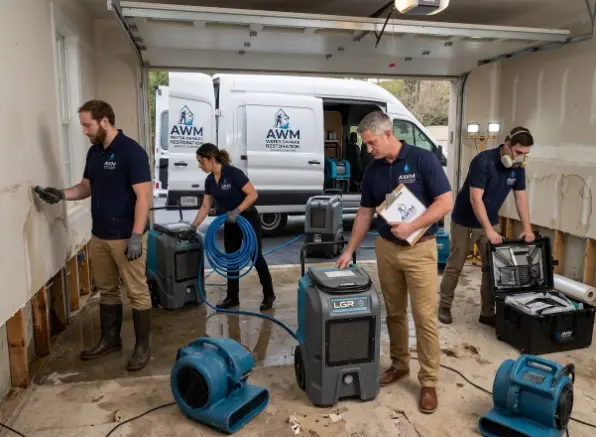
Water damage restoration is the process of finding the water, removing it, drying the structure, cleaning, and repairing what couldn’t be saved. The water damage restoration Phoenix process follows eight steps, and the middle steps are the ones that prevent problems weeks later.
Inspection & Assessment
A water damage inspection maps what’s affected.
- Find affected areas
- Identify source and category
- Assess visible and hidden moisture
Water Extraction
Water extraction services in Phoenix start by removing the bulk of the water.
- Remove standing and bulk water
Drying Setup
Structural drying begins once the water is out.
- Air movers
- Dehumidifiers
- Appropriate drying strategy
Moisture Monitoring
Drying is tracked, not assumed.
- Check affected materials
- Track drying progress
- Adjust equipment
Cleaning & Sanitization
Water damage cleanup matches the water conditions, so contaminated water gets more than a standard wipe-down. See what drives the cost.
Material Decisions
- Determine what can be dried or saved
- Determine what requires removal
Final Verification
- Confirm moisture conditions are acceptable
- Document completion
Repair / Reconstruction
Water damage repair rebuilds what needs it.
- Restore damaged building materials where needed
What Do Air Movers, Dehumidifiers & Moisture Meters Actually Do?
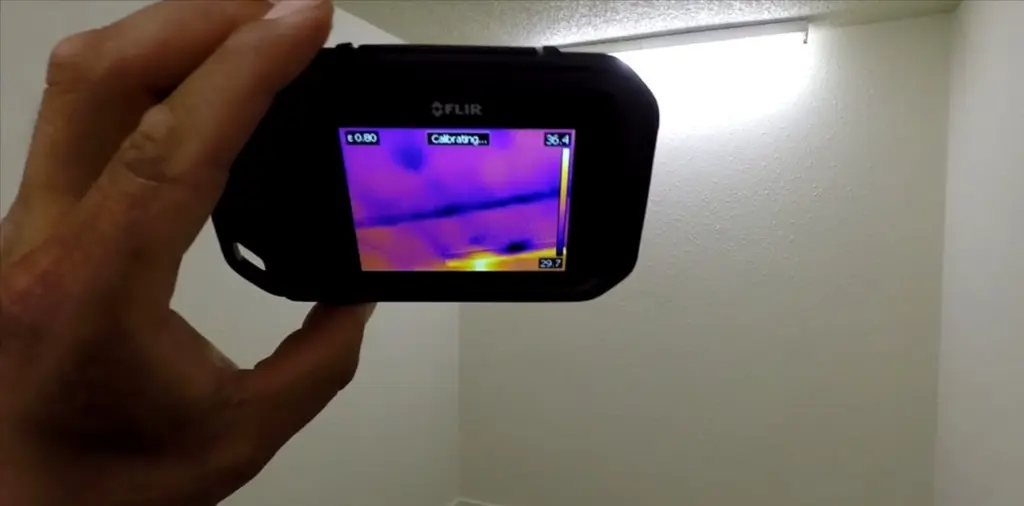
Air Movers
Increase air movement across wet surfaces.
Dehumidifiers
Remove moisture from the air.
Moisture Meters
Help identify moisture conditions in materials.
Water Extractors
Remove bulk and standing water.
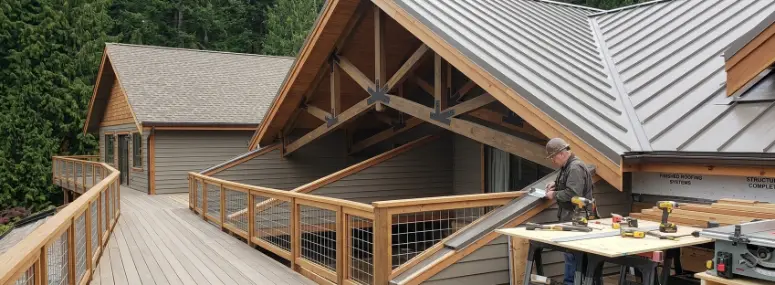
What Happens to Walls, Floors, Carpet & Belongings?
Each material gets a save-or-remove decision based on what it absorbed, not a blanket rule.
Drywall
Depends on saturation, contamination and ability to dry.
Flooring
Depends on the material, water exposure and underlying moisture.
Carpet
Depends on water type, duration and condition.
Cabinets
Assess saturation and hidden moisture.
Belongings
Some contents can potentially be dried or cleaned. Others may not be salvageable.
How Long Does Water Damage Restoration Take?
There is no single timeline for every Phoenix water-damage job. The timeline for water damage restoration Phoenix jobs depends on the water, the materials and the space.
Water Damage Restoration Phoenix Timeline: The Stages
Mitigation and reconstruction are different stages
Mitigation and drying stop the damage and dry the structure. Reconstruction rebuilds it and is scheduled afterward, so it runs on its own timeline.
Cost
How Much Does Water Damage Restoration Cost in Phoenix?
There is no universal price. Published estimates for the average water damage restoration Phoenix cost commonly put mitigation at a few dollars per square foot, rising with contamination, while whole-job totals run from about a thousand dollars for small losses to tens of thousands for widespread damage that needs reconstruction. Use those as a guide only. The water damage restoration Phoenix cost for your property comes from an assessment, and what your policy pays is covered in the insurance section below.
What Drives Water Damage Restoration Phoenix Cost
Amount of water
Source
Water category
Area affected
Materials affected
Extraction requirements
Drying duration
Cleaning / sanitization
Material removal
Mold-related work where applicable
Reconstruction
Mitigation / drying vs. repair / reconstruction
Water extraction cost, water mitigation cost, drying equipment and monitoring.
Rebuilding drywall, flooring, cabinetry and finishes that couldn’t be saved.
Cost questions to ask
Use these to compare any water damage restoration Phoenix estimate, including the emergency water damage restoration cost.
- What is included?
- Is extraction included?
- Is drying included?
- Is monitoring included?
- Is demolition included?
- Is reconstruction separate?
- Are emergency or after-hours charges different?
- Is the inspection free, or is there a fee?
Does Homeowners Insurance Cover Water Damage?
Coverage depends on the cause of the water damage and the specific insurance policy.
Internal water loss
Example: a burst pipe. Standard policies commonly cover sudden and accidental discharge inside the home. Slow or long-running leaks are often treated as maintenance issues.
External flooding
Example: floodwater entering from outside. Standard homeowners policies generally exclude it, and it needs separate flood coverage.
Sewer / drain backup
May have separate policy considerations or endorsements, so check for one by name.
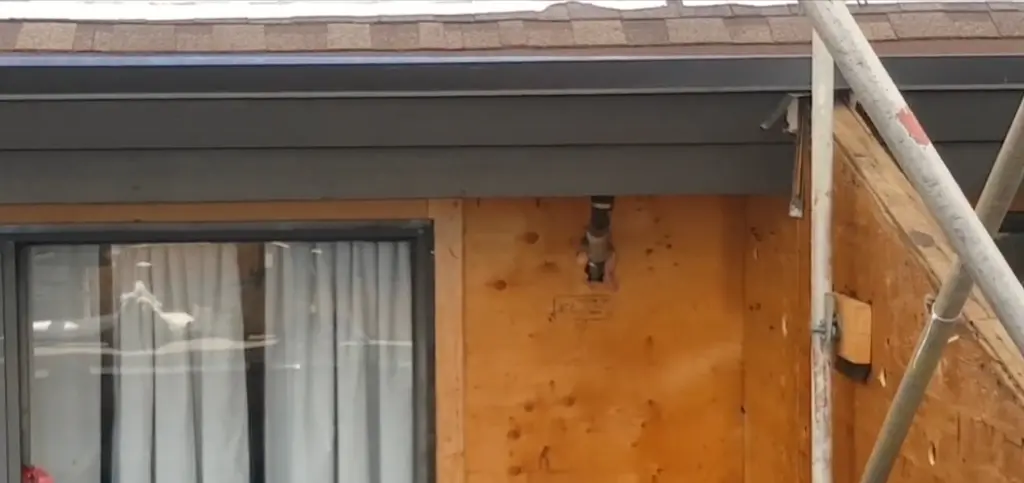
What Should You Ask Your Insurance Company?
- Is this type of water damage covered?
- What caused the loss according to the policy?
- Is flood coverage involved?
- Is sewer backup covered?
- What deductible applies?
- What documentation do you need?
- Should I wait for an adjuster before mitigation?
- What emergency mitigation is allowed?
- Where should receipts be submitted?
- What damage documentation is required?
How Do You Know the Property Is Actually Dry?
Don’t rely only on
- Surface appearance
- Touching the wall
- No visible standing water
- A room “feeling dry”
Look for
- Moisture assessment
- Monitoring during drying
- Affected materials checked
- Source addressed
- Required cleaning / removal completed
- Final verification / documentation
Can Water Damage Come Back?
It can, and mold damage restoration in Phoenix often begins as moisture that was never fully found or fixed. Once moisture has led to mold or contamination, the job widens into full water damage remediation.
The recurrence chain
Common recurrence causes
Unrepaired plumbing problem
Roof leak
HVAC drainage issue
Hidden moisture
Poorly dried materials
Drainage problems
New storm / flood event
Local Conditions
Phoenix-Specific Water Damage
Phoenix Monsoon & Storm Water
Monsoon season runs officially from June 15 to September 30, peaking between mid-July and mid-August, and roughly half of Phoenix’s yearly rain arrives in that window. Storms are short and intense, so storm water damage restoration Phoenix work is often about water that came in fast through roofing, windows or thresholds. Totals swing widely from year to year, so a dry summer says little about the next one. Current watches and warnings come from the National Weather Service in Phoenix.
AC / HVAC Water
AC water damage restoration Phoenix calls usually start with the condensate system. Air conditioners remove moisture as they cool, and that water leaves through a drain line. When algae, dust or debris clogs the line, the pan can overflow. In many Phoenix homes the air handler sits in the attic, so the first sign is often a stained ceiling below. Humid monsoon weather can increase the condensate a system produces. Turning the AC off stops it from making more water, and the leak may need an HVAC professional as well as drying.
Flood vs. Internal Water
Flood restoration and flood cleanup in Phoenix deal with water that entered from outside, while a pipe, appliance or AC failure is internal water. The source changes the safety precautions, the flood damage cleanup approach and often whether insurance responds. Tell the restoration company clearly where the water came from. For local flood-risk information, see the Maricopa County Flood Control District.
Water Damage Restoration Phoenix Property Considerations
Attic air handlers, water heaters in garages or closets, and slab-on-grade homes with plumbing running through or beneath concrete shape where leaks show up and how long they go unnoticed. Basements are uncommon in Phoenix, so basement water damage is more often a garage, crawl or lower-level issue. Rental homes and managed properties add another layer, since owners, property managers and insurers all need to be kept informed.
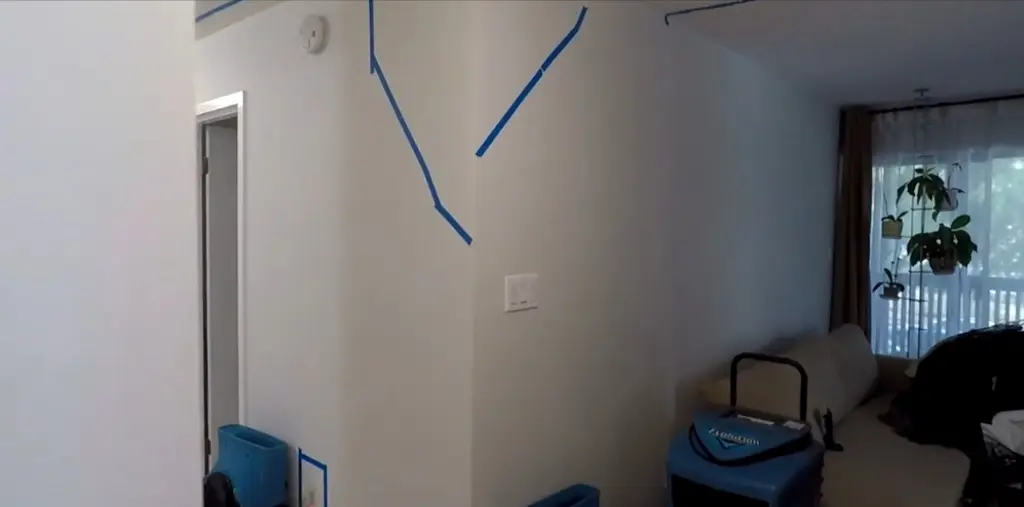
Water Damage Restoration Phoenix Service Areas
Looking for water damage restoration near Phoenix? These are the Phoenix areas covered. Call to confirm availability for your address.
Outside Arizona, the same documented process is available on our California pages for Los Angeles, San Francisco and San Jose, along with San Diego County communities such as Carlsbad, Del Mar and La Mesa.
How to Choose a Phoenix Restoration Company
Compare restoration companies in Phoenix, AZ on what you can verify rather than on claims. The best water damage restoration company in Phoenix is the one whose license, insurance, credentials and scope hold up when checked. Read water damage restoration Phoenix reviews too, but check the paperwork first.
Before Hiring a Water Damage Restoration Phoenix Company, Verify
- Arizona license where applicable. Arizona requires a contractor license for work valued at $1,000 or more. Check the number at the Arizona Registrar of Contractors. Ask how a licensed water damage restoration contractor in Phoenix is licensed for the work proposed.
- Correct classification for the work being done.
- Insurance. Insured water damage restoration Phoenix companies should give you proof, not a badge.
- Restoration credentials. Certified water damage restoration Phoenix work usually means IICRC certification, which is an industry standard rather than a state requirement. Ask which technicians hold it.
- Written scope.
- Written estimate. Affordable and reliable water damage restoration starts with an estimate you can read line by line.
- References you can contact.
- Moisture assessment.
- Drying monitoring.
- Documentation of readings and work.
- Source-repair responsibility. Who fixes the cause?
- Emergency availability stated specifically.
To see how our own team works and what standards we hold ourselves to, read about our water damage restoration team.
What Does “24/7 Emergency Service” Actually Mean?
A 24/7 water damage restoration Phoenix company can mean very different things. Whether you need emergency water damage response at 2 a.m. or a next-day visit, split the phrase into five parts and ask about each.
24/7 Phone
Someone can answer or contact you.
24/7 Dispatch
A team can be assigned.
Technician Availability
Someone is actually available.
Arrival
How quickly someone reaches the property.
Physical Work
What services can actually be performed after hours, such as emergency water removal, emergency water cleanup or same-day water damage restoration.
What Happens After the Water Is Dry?
Dry ends mitigation. It doesn’t end the job.
After drying
Final verification
Cleaning
Material restoration
Reconstruction if required
Painting / finishing where applicable
Documentation
Source correction
Prevention discussion
What If the Problem Happens Again?
If moisture returns
Potential causes
Emergency Decision Card
Call for Professional Help Now If:
- Significant standing water
- Sewage / contaminated water
- Electrical danger
- Water inside walls, ceilings or floors
- Large affected area
- Unknown source
- Persistent moisture
- Strong musty odor
- You cannot safely dry the property
Before → After
The process changes the condition of the property step by step, without promising more than it can deliver.
Need Help With Water Damage in Phoenix?
Call, describe what happened, and you’ll get the next step for your situation, whether that’s a water damage assessment or something to do first. If you’re comparing options, a local water damage restoration Phoenix company should be able to explain that next step plainly on the first call. You can also read more about AWM Water Damage Restoration.
What happens after contacting us
We ask about the source, what’s wet and how long it’s been that way, then arrange the assessment.
What information to provide
Your address, where the water came from, which rooms are affected, any electrical concern, and your insurer’s name if you’re filing a claim. Details you share are handled as described in our privacy policy.
What to expect during assessment
A walkthrough with moisture checks, an explanation of what’s affected, and a written scope of the recommended work.
Got Questions?
Frequently Asked Questions
How quickly should water damage be addressed?
As soon as it’s safe. Quick extraction and drying limit how far water spreads, and mold can begin developing within roughly 24 to 48 hours on wet materials. For water damage repair in Phoenix, the earlier the drying starts, the less there usually is to repair.
Does all water damage require professional restoration?
No. A small, clean-water spill found quickly and dried completely may not. Standing water, moisture in walls or floors, contaminated water or an unknown source is where an assessment matters.
How long does water damage drying take?
It varies with the amount of water, the materials, hidden moisture and equipment setup. Drying is done when moisture readings say so, and repairs are a separate stage after it.
Can wet drywall be saved?
Sometimes. It depends on saturation, contamination and whether it can dry. Drywall exposed to sewage or floodwater is usually removed.
Can water-damaged carpet be saved?
Sometimes. Clean water caught quickly gives carpet a better chance than contaminated water or long exposure. The pad underneath is judged separately.
Does water damage always cause mold?
No, but wet materials that stay wet create the conditions for it. Fast drying and verification lower the risk of needing mold damage restoration in Phoenix later. The EPA’s mold resources explain moisture control in more detail.
Does homeowners insurance cover water damage?
Often, when the damage is sudden and accidental, such as a burst pipe. Gradual leaks, flooding and sewer backup are commonly excluded or need added coverage, so check your policy.
Is flood damage covered by standard homeowners insurance?
Generally not. Water entering from outside usually requires a separate flood policy, which typically has a waiting period before it takes effect.
Should I call a plumber or a restoration company first?
If water is still flowing, stop it and get a plumber for the source. If the property is wet, call restoration soon, because drying shouldn’t wait for repairs. For AC leaks, an HVAC professional handles the source.
How do I know whether my property is completely dry?
By moisture readings in the affected materials and documented monitoring, not by touch or appearance.
What does 24/7 water damage restoration actually mean?
It can mean phone answering, dispatch, technician availability, arrival or on-site work, and those aren’t the same. Ask which apply.
Can water damage happen again after restoration?
Yes, if the source was never repaired or moisture stayed in the structure. Fixing the cause and verifying dryness prevent a repeat.