Water Damage Restoration in
San Francisco, California
Water damage restoration San Francisco property owners can rely on starts with more than removing standing water — it means finding moisture that’s already moved into walls and flooring, and drying the structure itself. Local buildings, shared walls, and stormwater patterns bring considerations that don’t apply everywhere.
Water Damage Restoration Services
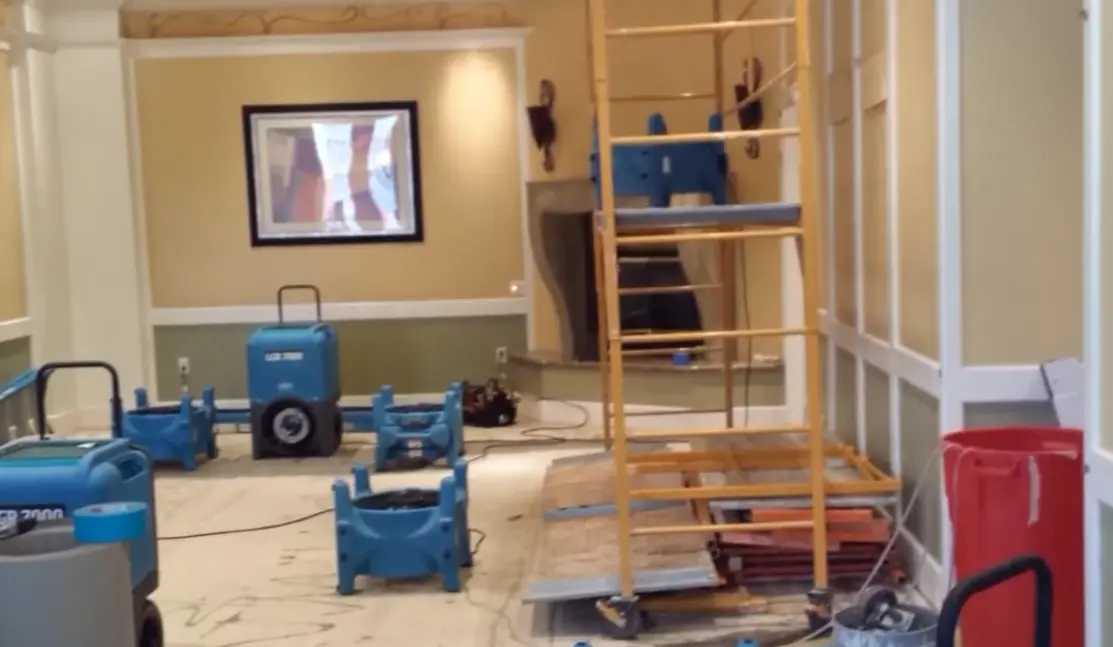
Restoration isn’t one task — it’s a sequence of stages, each dependent on the results of the last, and the same process applies across every AWM Water Damage Restoration service area. Inspection tells you where water went and how far. Extraction removes what’s standing. Drying and monitoring address what’s been absorbed into materials you can’t see. Cleanup and, where needed, repair bring the property back to a usable condition. Skipping or rushing any one stage is usually why damage resurfaces weeks later. Our water damage guide covers each stage in more depth.
Inspection and Assessment
A proper water damage assessment maps the affected areas, distinguishes visible pooling from hidden moisture, identifies the water source and affected materials, and flags any safety concerns such as electrical exposure — with everything documented for later reference.
Water Extraction and Removal
Pumps and extraction equipment remove standing water — see our full water damage cleanup process for more detail. This is the most visible part of the job, which is part of why it gets mistaken for the whole process — but it only addresses what’s on the surface.
Structural Drying and Dehumidification
Controlled air movement and dehumidification pull moisture out of building materials over time, adjusted based on environmental conditions and moisture readings rather than run on a fixed schedule.
Moisture Detection and Monitoring
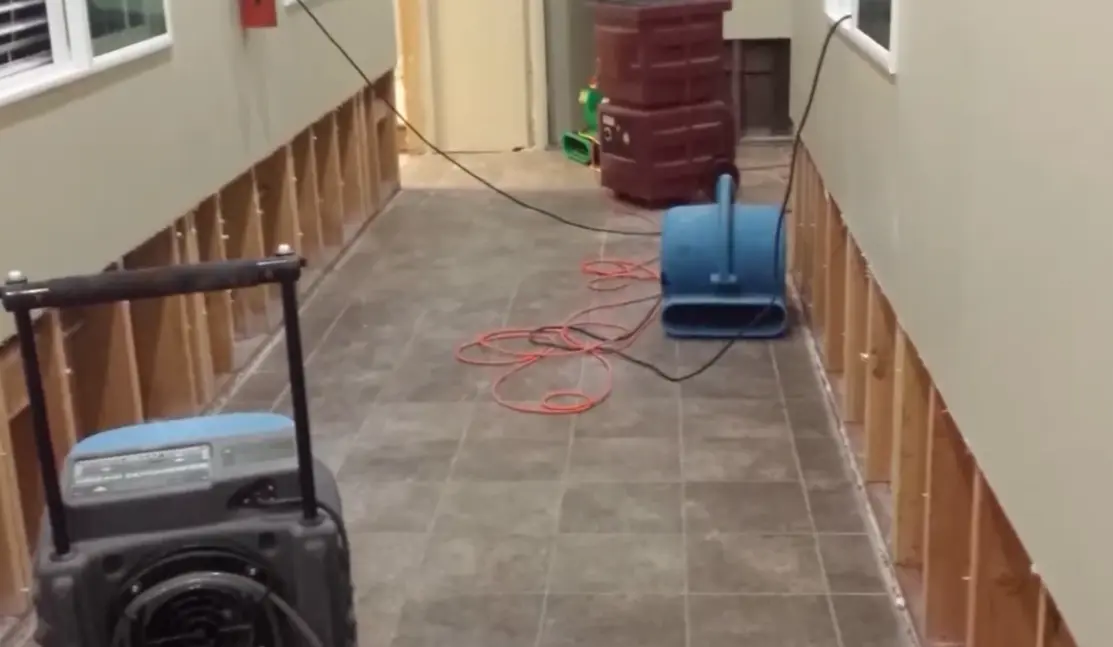
Surfaces can look dry within a day while materials underneath stay wet. Moisture meters and moisture mapping check concealed areas inside wall and floor assemblies, with monitoring continuing throughout drying.
Water Damage Cleanup
Cleaning and handling of affected materials, with the approach shaped by whether the water involved was clean or contaminated.
Water Damage Repair and Restoration
Mitigation (extraction and drying), then water damage repair or reconstruction, are separate stages — not one undifferentiated process — which matters when you’re trying to understand a quote.
What to Do Immediately After Water Damage
The choices made in the first hour after discovering water damage can affect how much of the property is salvageable. If water is still spreading, read more about our emergency water damage response.
Stop the Water Source If Safe
If the source is something you can safely access — a supply line, a shutoff valve, a hose — turning it off limits how much spreads. If it’s not accessible or involves the main line, that’s a job for a plumber or building management.
Stay Away From Electrical Hazards
Standing water near outlets, appliances, or panels is a genuine hazard. Avoid the area and, where possible, shut off power at the breaker rather than in the room.
Protect Belongings From Further Damage
Where it’s safe, move furniture, rugs, and boxes off wet flooring, and lift items off the ground in a room that’s still actively wet.
Document the Damage
Photos and videos of affected rooms, visible damage, and damaged belongings, with an approximate timeline, support both restoration planning and any insurance claim. The California Department of Insurance’s guidance on storm and water damage supports documenting losses and taking reasonable steps to prevent further damage.
What Happens During Water Damage Restoration?
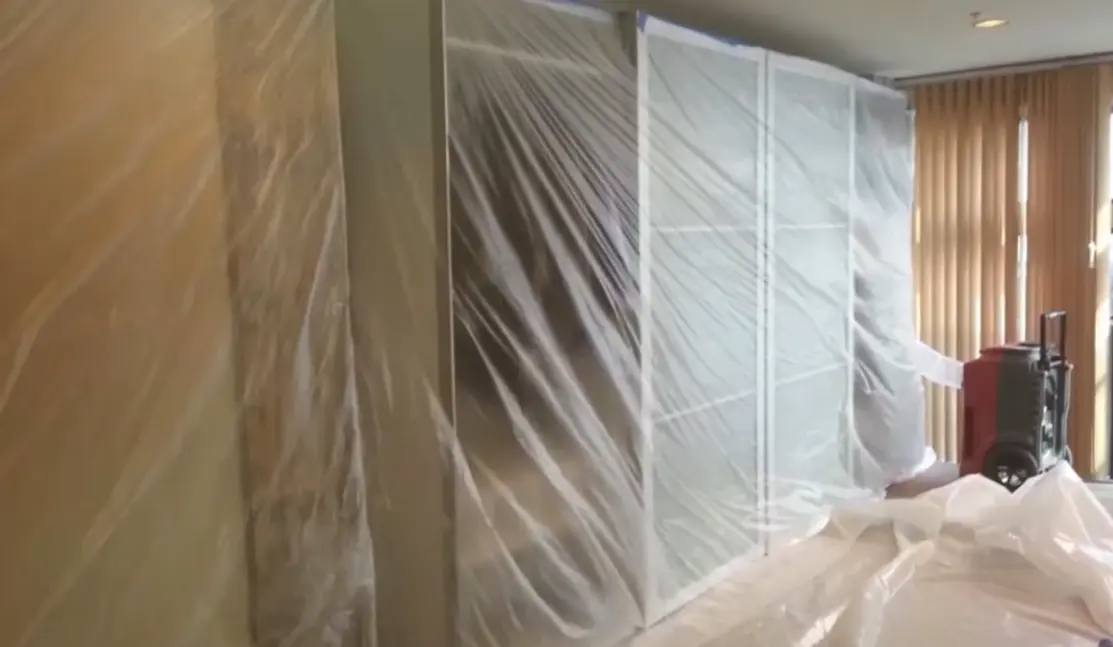
This is the question most property owners actually want answered: what happens after I call? Here’s the general sequence.
Initial Inspection
A water damage inspection assesses the affected space, scope, and immediate safety concerns.
Identify the Water Source
Understanding where the water came from shapes every decision that follows, including whether it’s clean or contaminated.
Assess Moisture and Affected Materials
Moisture readings establish a baseline and identify which materials — visible and concealed — have been affected.
Remove Standing Water
Extraction equipment removes water before it’s absorbed further into materials.
Begin Structural Drying
Air movers and dehumidifiers are positioned based on the affected materials and space.
Monitor Moisture During Drying
Regular moisture checks track progress and identify areas drying slower than expected.
Clean and Address Affected Materials
Surfaces and materials are cleaned, and anything that can’t be salvaged is identified.
Determine Remaining Repairs
Once drying is complete, the remaining scope of repair or reconstruction becomes clear.
Document the Completed Work
Final moisture readings and documentation provide a record of the work performed — useful for your records and for insurance.
Why Water Removal Alone Isn’t Enough
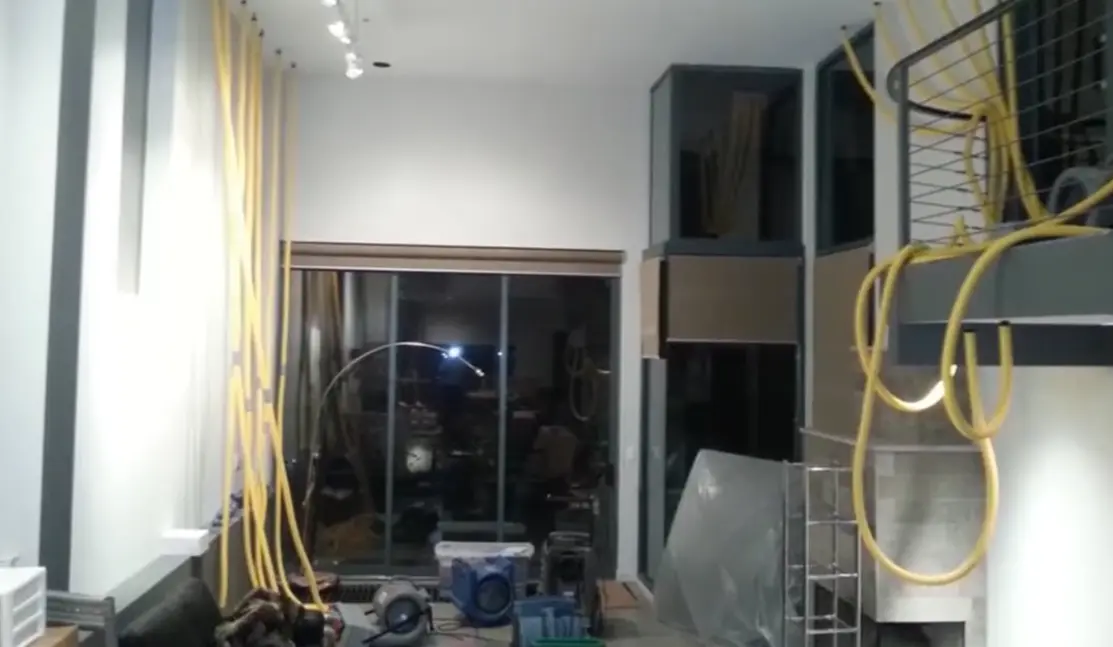
Visible Water Can Be Gone While Moisture Remains
A room can look dry within hours of extraction and still contain wet materials underneath — carpet can feel dry on the surface while the padding beneath stays saturated.
Where Hidden Moisture Can Remain
- Drywall and wall cavities
- Flooring and carpet padding
- Subfloors
- Insulation
- Other concealed building components
The EPA’s guidance on mold and moisture control specifically emphasizes identifying and drying wet materials promptly.
Why Structural Drying Matters
Structural drying targets the materials extraction can’t reach — the building components themselves, not just the water sitting on top of them.
How Moisture Monitoring Helps Track Drying
Moisture monitoring is what tells a technician when drying is actually finished, rather than when it looks finished — readings show whether materials are trending toward a normal range or plateauing.
How Do You Know Water Damage Restoration Is Complete?
This is one of the least-answered questions in restoration — and one of the most important, since it’s the difference between a job that’s actually done and one that only looks done.
- The water source has been addressed or properly coordinated — whether that meant a shutoff, a plumber repair, or coordination with building management.
- Affected areas have been assessed, including adjoining spaces that weren’t obviously wet at first glance.
- Remaining moisture has been evaluated using moisture readings rather than a visual check alone.
- Drying has been monitored, with readings tracked over time rather than set up and left alone.
- Damaged materials have been evaluated to determine what could be dried and salvaged versus what needs replacing.
- Remaining repairs have been identified, so you know what work — if any — still needs to happen.
- Documentation has been provided or retained, giving you a record of readings, photos, and the work performed.
Restoration for San Francisco Properties
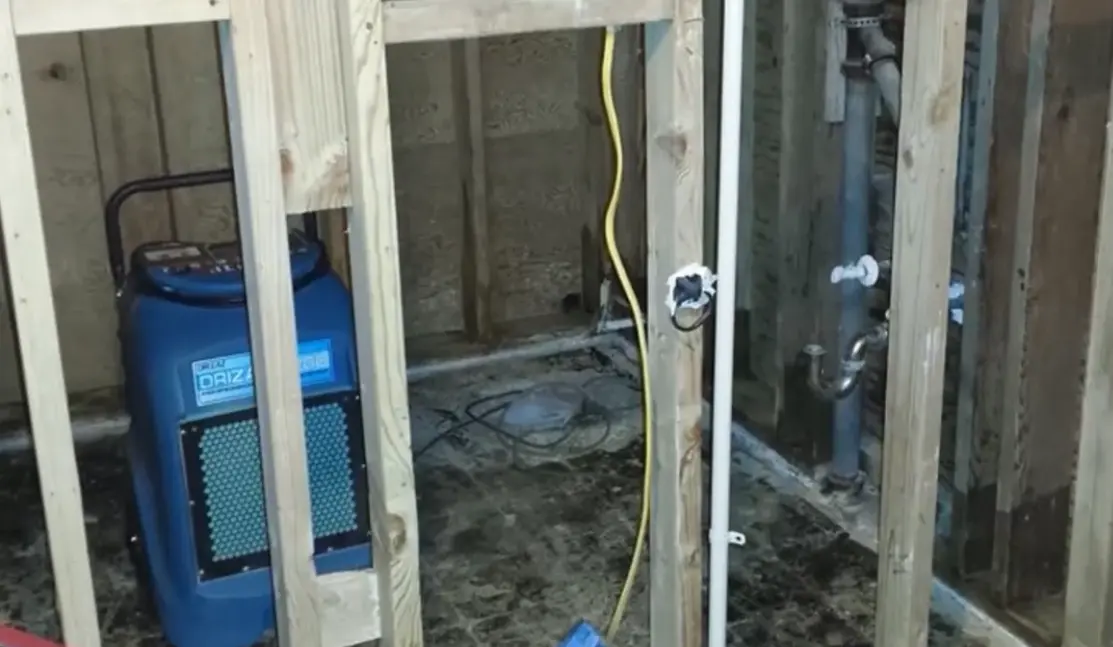
Older Homes, Flats, and Multi-Unit Buildings
A high proportion of older buildings, flats, and multi-unit properties changes how water damage needs to be handled — water in a multi-unit building doesn’t necessarily stay in one unit, and often involves multiple floors, shared wall or floor assemblies, and shared building systems.
Apartment and Condo Water Damage
Water damage involving the unit above or below, shared walls, or common systems raises questions that don’t come up with a single-family home: who coordinates access, how building management or the HOA gets involved, and what documentation each party — tenant, owner, and management — may need.
Flooding, Stormwater, and Water Damage
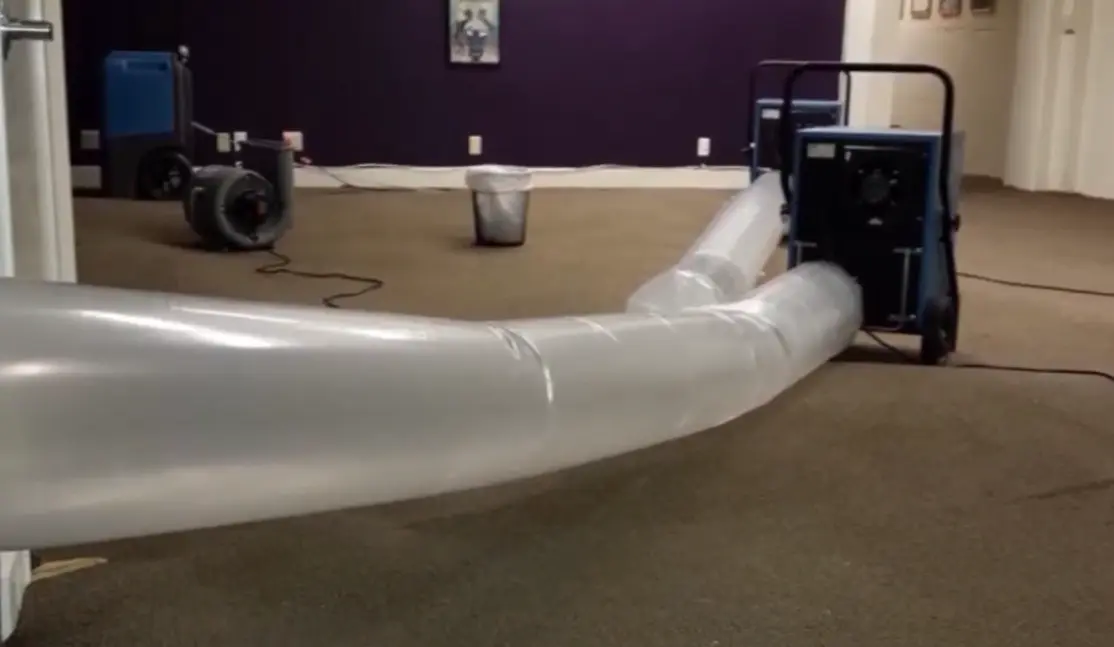
Stormwater Flooding
City stormwater materials describe flooding risk tied to heavy precipitation, particularly in low-lying areas and locations that correspond to historic waterways and creek beds, where natural drainage patterns still influence how water moves during a storm.
A Combined Sewer System
Much of the city is served by a combined sewer system, meaning stormwater and wastewater flow through the same pipes. During intense rain, this system can reach capacity, which is part of why heavy storms can lead to backups.
Water Backup and Property Damage
When a combined system nears capacity, water can back up into lower levels through floor drains or plumbing fixtures rather than entering from an exterior source — this type of event is generally treated differently from a clean-water leak, since backed-up water is more likely contaminated.
Additional Safety Concerns
Not every incident is flooding-related — most calls are leaks, burst pipes, or appliance failures. But when floodwater or sewer backup is involved, it introduces safety and contamination considerations a straightforward leak doesn’t.
Types and Causes of Water Damage
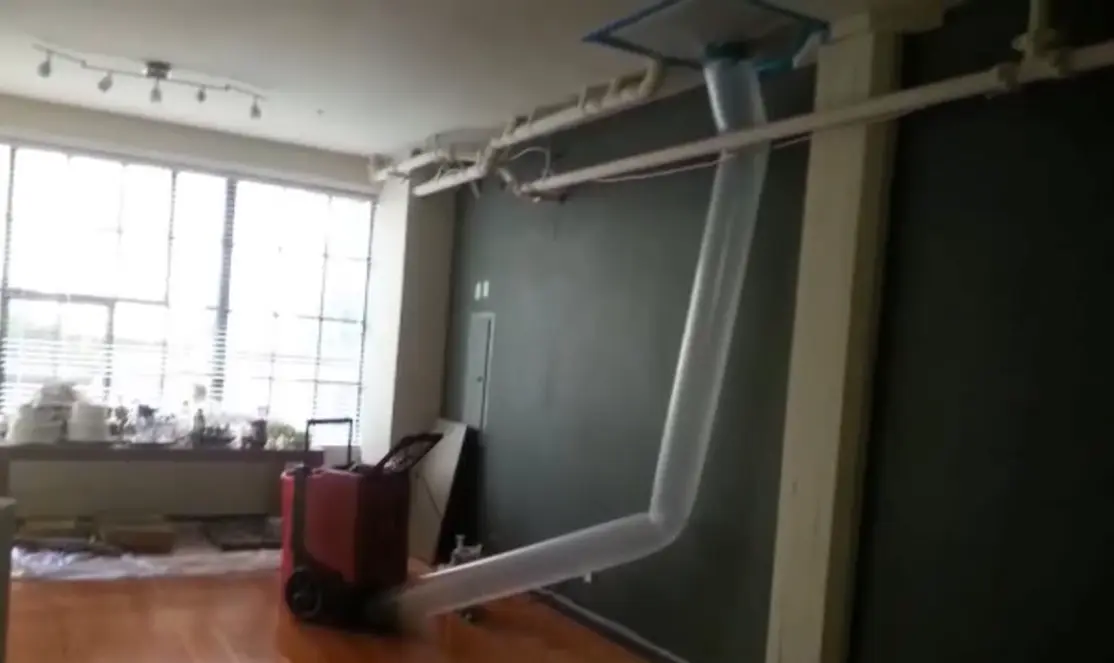
Burst or Leaking Pipes
Often the result of age, pressure changes, or freezing in exposed sections.
Appliance and Supply-Line Leaks
Washing machines, water heaters, dishwashers, and refrigerator lines.
Bathroom and Plumbing Leaks
Around fixtures, seals, and connections that degrade over time.
Roof and Building-Envelope Leaks
Water entering through the roof, flashing, or exterior walls.
Storm and Flood Water
Exterior water entering during heavy rain events.
Sewer or Contaminated Water
Backups from the sewer or septic system, requiring careful handling.
Water From a Neighboring Unit
A leak or overflow originating above or beside a unit or property.
Clean Water, Contaminated Water, and Different Damage Conditions
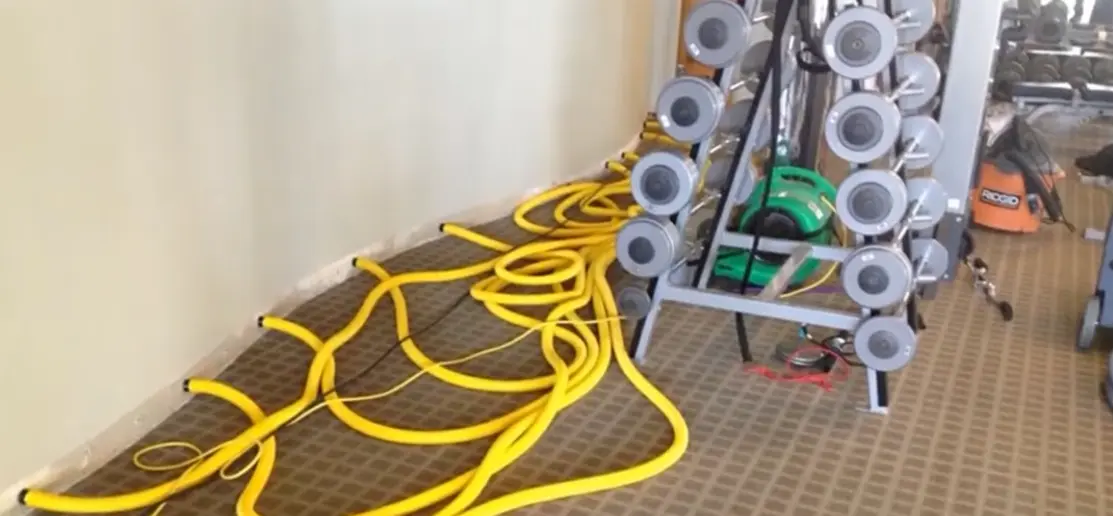
Why the Water Source Matters
Not all water damage is handled the same way — the source is what determines the right approach.
Clean Water
Water from a clean source generally poses the lowest contamination risk, though it still requires proper drying to prevent secondary issues.
Contaminated Water
Water that’s picked up contaminants — from groundwater, appliance discharge, or contact with soil — requires more careful handling than a clean-water event.
Sewage and Black-Water Situations
Water involving sewage carries the highest contamination risk and requires the most careful handling, including decisions about which materials can be cleaned versus removed.
Why Contamination Matters for Safety
Beyond property damage, contaminated water introduces health and safety considerations for anyone in the space.
Water Damage and Mold: What Property Owners Should Know

Can Water Damage Lead to Mold?
Mold needs moisture to grow, and materials left wet for an extended period create the conditions for it — which is a central reason prompt drying matters.
Why Moisture Control Matters
The EPA identifies moisture control as key to preventing mold growth and recommends drying wet materials promptly — generally within 24 to 48 hours where feasible.
Where Problems Can Develop
Concealed, poorly ventilated areas — behind drywall, under flooring, inside wall cavities — are where moisture-related mold most commonly develops, since they’re the least likely to be checked without deliberate monitoring.
What to Do if You Already See Mold
Visible mold growth is a sign moisture has been present for some time and may need to be evaluated separately from a straightforward water damage response.
When Restoration and Mold Remediation Differ
These are related but distinct services, and not every company provides both — worth confirming directly rather than assuming one includes the other.
Water Damage Restoration and Insurance
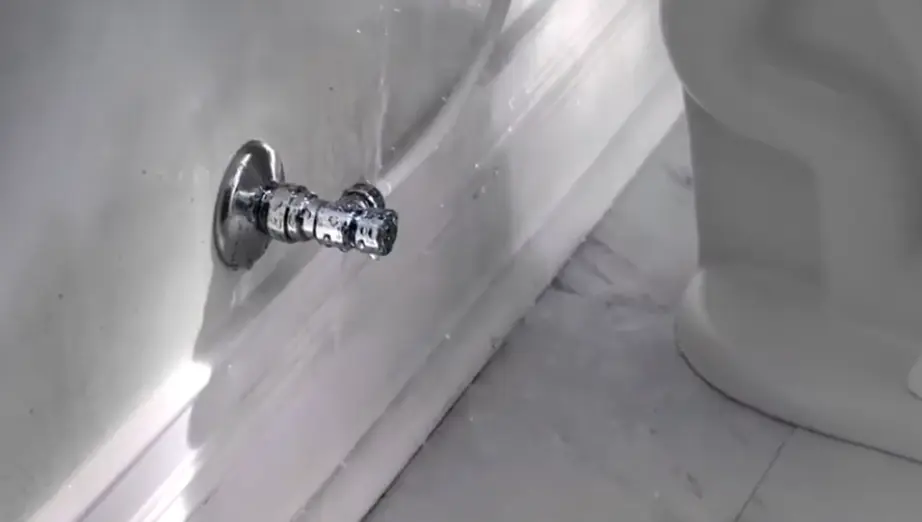
Does Insurance Cover Water Damage?
This depends entirely on your specific policy, the cause, and the circumstances of the event — there’s no single answer that applies across policies. Reviewing your policy or speaking with your insurer directly is the most reliable way to understand your coverage.
Water Damage vs Flood Insurance
Standard homeowners or renters policies and flood insurance often treat water damage differently, and flood-specific damage may not be covered by a standard policy — worth confirming for damage tied to exterior flooding or stormwater.
What Documentation Should You Keep?
Photos and videos of the damage, receipts or estimates related to the work, and records of when damage was discovered and addressed all support a smoother claims process.
Photos and Videos of the Damage
Capture affected rooms, visible damage, and damaged belongings as early as possible — ideally before cleanup begins, and again as work progresses.
Estimates, Scope, and Restoration Records
A written scope of work, moisture readings, and records of the process give your insurer — and you — a clear account of what was done and why.
Working With Your Adjuster
Restoration documentation is often most useful when it lines up with what an adjuster needs to evaluate a claim.
What Can’t Be Guaranteed
No restoration company can guarantee what your insurer will or won’t cover — that determination rests with your provider based on your specific policy. Be cautious of any company that implies otherwise, and see our disclaimer.
How Much Does Water Damage Restoration Cost?
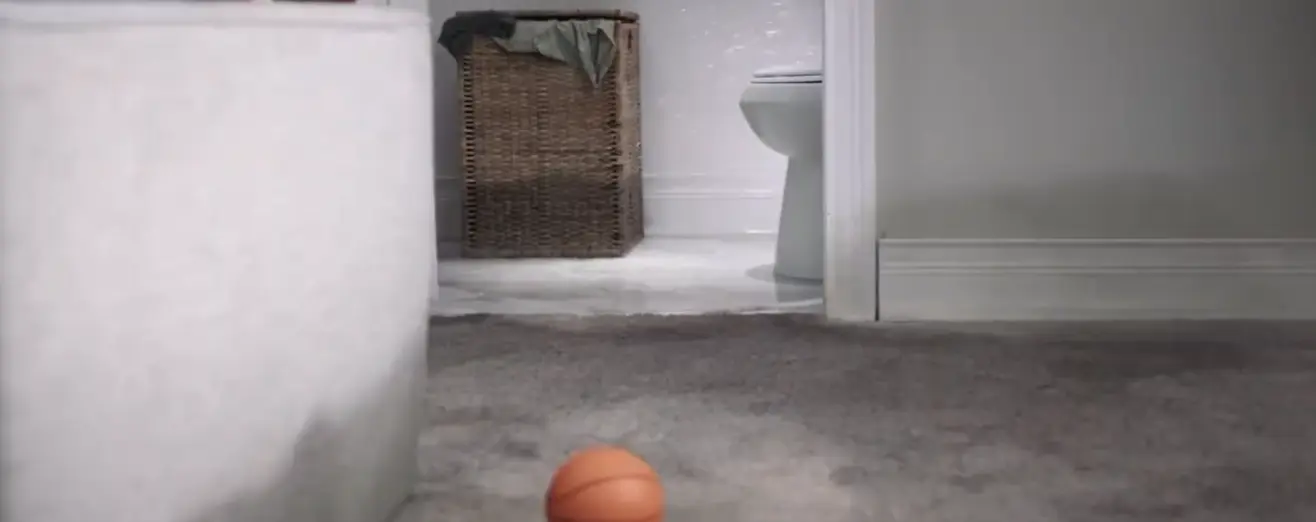
Costs vary enough from job to job that a single “average price” can be more misleading than useful — third-party cost estimates for the area vary substantially depending on the source and the scope of damage assumed.
What Determines Cost
- Affected square footage
- Water category (clean, contaminated, or sewage)
- Severity and depth of damage
- Materials affected (flooring, drywall, subfloor, insulation)
- Extraction requirements
- Drying duration
- Accessibility of the affected area
- Whether demolition is required
- Scope of repair or reconstruction
Why Two Jobs Can Cost Very Different Amounts
A small, clean-water leak caught early and a sewage backup that’s sat for days can differ enormously — not because of pricing inconsistency, but because the actual scope of work is different in almost every respect.
What to Ask for in an Estimate
A clear estimate explains what’s included, how the scope was determined, and what could change the final cost, such as damage discovered once materials are opened up.
Insurance and Restoration Costs
When a claim is involved, the scope and documentation often need to align with what your insurer requires, which can affect both the process and the final cost breakdown.
Water Damage Restoration vs Other Services
Water Removal vs Water Extraction
Often used interchangeably — physically removing standing water using pumps or extraction equipment.
Water Cleanup vs Water Restoration
Cleanup handles affected surfaces; restoration is the full process — inspection, extraction, drying, monitoring, and cleanup.
Water Mitigation vs Restoration
Mitigation is the urgent work that limits further damage; restoration includes the mitigation plus the work needed to return the space to normal.
Water Remediation vs Restoration
Water damage remediation is often used similarly, sometimes with more emphasis on addressing contamination specifically.
Restoration vs Repair/Reconstruction
Repair and reconstruction is separate work that follows once drying is complete — rebuilding or replacing materials that couldn’t be salvaged.
Plumber vs Water Damage Restoration Company
A plumber fixes the source of the leak; a restoration company addresses the resulting damage to the property — the two roles often work together but aren’t interchangeable.
How to Choose a Water Damage Restoration Company
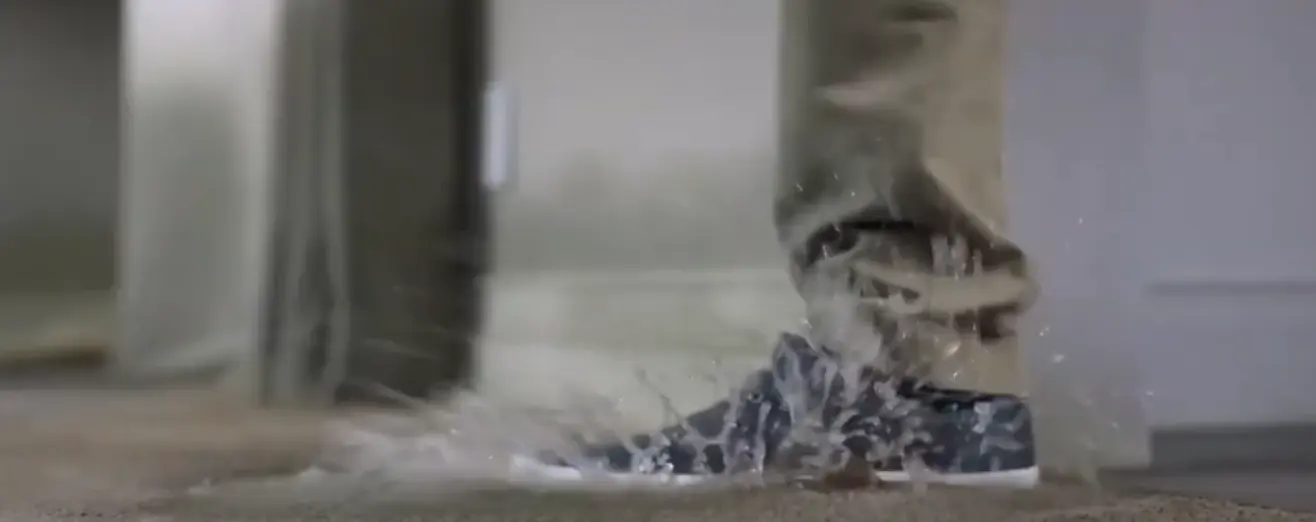
Verify the Business Identity
Confirm the company’s actual name, address, and contact information match what they present to you.
Check Applicable California Licensing
California’s Contractors State License Board (CSLB) license lookup tool lets you verify a contractor’s license status directly.
Ask About the Restoration Process
A company that can walk you through inspection, extraction, drying, and monitoring in plain terms is generally a good sign.
Ask How Moisture Is Assessed and Monitored
Since hidden moisture is the main reason jobs fail to fully resolve, ask directly how a company checks concealed areas and how often it monitors during drying.
Ask What Documentation You Will Receive
Photos, moisture readings, and a written scope of work are useful for your own records and for insurance.
Confirm the Actual Service Area
Ask directly whether the company has technicians serving your specific area and how quickly they can respond.
Review Genuine Customer Feedback
Look for feedback describing the actual work performed, not just general satisfaction.
Be Careful With Unverifiable Guarantees
Claims like guaranteed insurance coverage or fixed response times are worth asking follow-up questions about.
Why Local Knowledge Matters in San Francisco
Building and Property Types
A city with a large share of older buildings, flats, and multi-unit properties requires a restoration approach that accounts for shared walls, aging plumbing, and layouts different from newer construction.
Multi-Unit and Shared-Building Water Damage
Water damage in a shared building often affects more than one party, so coordination — with neighbors, property managers, or an HOA — is frequently part of the job.
Stormwater and Flooding Considerations
Understanding how the combined sewer system and stormwater patterns behave during heavy rain helps assess whether an event is an isolated leak or tied to a broader citywide condition.
Local Access, Building Management, and Coordination
Getting access to a unit, coordinating with a building manager, or working around street parking and building logistics are practical realities of restoration work in a dense city. We also serve Carlsbad and Del Mar — contact us to confirm coverage for your San Francisco property.
Elsewhere, we also provide water damage restoration in La Mesa, Los Angeles, and San Jose, backed by our San Diego water damage restoration team. Outside California, see our Phoenix water damage restoration page.
Why Consider AWM Water Damage Restoration?
AWM Water Damage Restoration serves property owners in the area. Specific details about service offerings, availability, credentials, and service area are confirmed directly when you contact us — we’d rather you have accurate information than a marketing claim we can’t stand behind. You can also read more about AWM Water Damage Restoration.
Water Damage Restoration in San Francisco: Photo Gallery
A look at the restoration process, from assessment to structural drying, on San Francisco properties.
Frequently Asked Questions
What should I do first after water damage?
If it’s safe, stop the water source, move away from any electrical hazards, protect belongings that can still be moved, and document the damage before cleanup begins.
How quickly should water damage be addressed?
As soon as reasonably possible. The EPA recommends drying wet materials promptly — generally within 24 to 48 hours where feasible — to reduce the risk of mold.
Is water extraction the same as water damage restoration?
No. Extraction removes standing water and is one stage of the process. Restoration also includes drying, moisture monitoring, cleanup, and any needed repair.
Can water damage remain hidden behind walls?
Yes. Moisture can be absorbed into wall cavities, subfloors, and insulation while the visible surface looks dry, which is why moisture monitoring — not just a visual check — matters.
How long does structural drying take?
It depends on the materials affected, how much moisture is present, and environmental conditions. Drying is monitored with readings rather than run on a fixed timeline.
Does homeowners insurance cover water damage?
It depends on your specific policy and the cause of the damage. Reviewing your policy or speaking with your insurer directly is the most reliable way to confirm coverage.
Does flood insurance cover water damage?
Flood insurance and standard homeowners policies often treat water damage differently, particularly for damage tied to exterior flooding. Confirm with your insurer which applies.
What happens after water extraction?
Structural drying and dehumidification begin, with moisture readings tracked over time until affected materials return to a normal range.
How can I tell whether the property is dry?
A visual check isn’t enough on its own. Moisture readings taken with a moisture meter, including in concealed areas, are the reliable way to confirm materials have dried.
Can water damage cause mold?
Yes, if wet materials aren’t dried promptly. Moisture control is the primary way to prevent the conditions mold needs to grow.
Who is responsible when water comes from another unit?
This depends on the building’s specific circumstances and often involves coordination between the affected unit, the unit where the water originated, and building management or the HOA.
How do I verify a restoration contractor in California?
California’s CSLB license lookup lets you verify a contractor’s license status directly.
Get Water Damage Restoration Help
When you contact us, it helps to have a few details ready: your location, the type or likely source of the water, whether water is still present, which areas are affected, whether the property is residential or commercial, and whether another unit or neighboring property is involved. Visit the AWM Water Damage Restoration homepage to see our full range of services. Your details are handled according to our privacy policy.
Office: 3919 30th St, San Diego, CA 92104