Professional Water Removal
Fast, certified water extraction and structural drying. Licensed technicians on call around the clock — we work directly with your insurance.
Professional Water Removal for Water-Damaged Properties
When water gets into a home or business, timing matters more than most people realize. Professional water removal is the process our water removal specialists use to get standing water out fast, stop it from spreading, and catch what’s soaking into places you can’t see. It’s not just about a wet floor — it’s floors, walls, cabinets, and framing all absorbing moisture at once.
A leak, a burst pipe, a storm, or an overflow — the source changes, but the risk doesn’t. Even after the visible water is gone, drywall, subfloor, and insulation can hold onto moisture for days. That’s the part a proper water removal specialists team checks for, because drying the surface isn’t the same as drying the material underneath it.
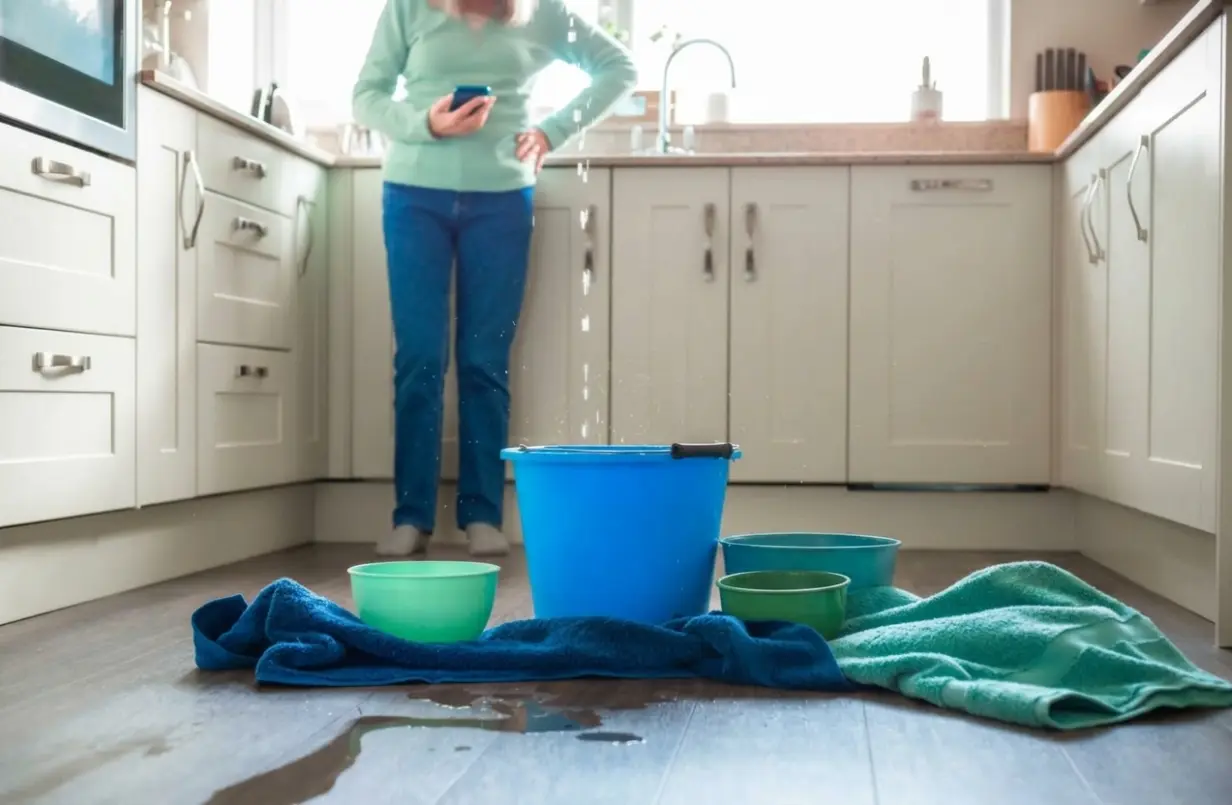
Most water removal calls trace back to plumbing failures, appliance leaks, or a bad storm. Humidity and the materials a building’s made of both play a part in how fast that moisture spreads if nobody deals with it right away — which is exactly why homeowners call a professional water restoration team the same day, not the same week.
When You Need Water Removal
Standing Water Inside a Home or Business
Pooled or standing water on floors is one of the clearest signs that water removal is needed right away. The longer it sits, the more it can seep into flooring materials and subfloors.
Burst or Leaking Pipes
A burst or leaking pipe can release a large amount of water in a short time, often behind walls or under floors where it isn’t immediately visible.
Water Heater Leaks
Water heaters can leak slowly over time or fail suddenly, sending water across a garage, closet, or utility room floor.
Appliance and Plumbing Leaks
Washing machines, dishwashers, refrigerators, and supply lines are common sources of water damage, especially when a leak goes unnoticed for a while.
Toilet or Sewage Overflow
A toilet or sewage backup doesn’t just leave a mess — it introduces contaminated water that needs a professional sewage cleanup approach, not a mop and a fan. It’s handled differently from a clean-water leak from day one.
Storm or Flood Water
Heavy rain or flooding can bring water into a property from the outside, often carrying dirt, debris, and contaminants with it.
What to Do Immediately After Water Enters Your Property
Stop the Water Source if It Is Safe
If you can safely shut off the water source — such as a supply valve — doing so can limit how much water continues to enter the property.
Keep Away From Electrical Hazards
Standing water near outlets, appliances, or electrical panels can be dangerous. Avoid contact with water in these areas and avoid using electrical equipment nearby.
Protect People, Pets, and Important Belongings
Move people and pets away from affected areas, and if it’s safe to do so, move valuable or sentimental items out of the water’s path.
Avoid Spreading Contaminated Water
If the water may be contaminated — such as from a sewage backup — avoid walking through it unnecessarily to prevent spreading it to unaffected areas.
Contact a Water Removal Professional
Once immediate safety steps are taken, contacting a water removal professional helps ensure the water is extracted properly and hidden moisture is identified before it causes further damage.
Not sure yet if this needs a professional? Keep reading — the next few sections walk through what the process actually involves and when DIY is enough.
How Professional Water Removal Works
A service pro water restoration crew doesn’t just show up and start mopping — there’s a sequence to it: Source → Assessment → Extraction → Moisture Detection → Drying → Monitoring → Restoration. Skip a step and the drying doesn’t hold.
Our process follows the standards set by the IICRC, the leading certification body for water damage restoration.
Initial Inspection and Water Damage Assessment
Technicians assess the source of the water, the category of water involved, and which materials and areas have been affected before beginning work.
Water Extraction
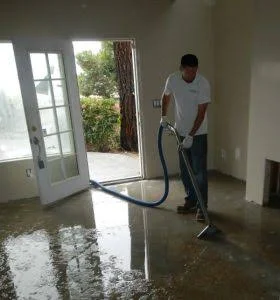
Standing water is physically removed using extraction equipment designed to pull water out of flooring and other materials.
Moisture Detection
Moisture meters and other detection tools are used to identify water that has migrated into walls, subfloors, or other materials not visible on the surface.
Structural Drying
Air movers and drying equipment are positioned to dry affected materials from the inside out, not just the surface.
Dehumidification
Dehumidifiers pull excess moisture out of the air, which lets materials dry more evenly and cuts down the risk of secondary damage later on.
Moisture Monitoring
Moisture levels get checked throughout the drying process — that’s how water removal specialists confirm materials are actually drying, not just looking dry.
Cleanup and Restoration Decisions
Once drying is confirmed, decisions are made about any remaining cleanup, repairs, or restoration work needed to return the property to its condition before the water damage occurred.
Why Removing Visible Water Is Not Enough
Hidden Moisture in Walls and Floors
Water can travel beyond what’s visible on the surface, soaking into wall cavities, subfloors, and structural framing.
Moisture Behind Cabinets and Other Materials
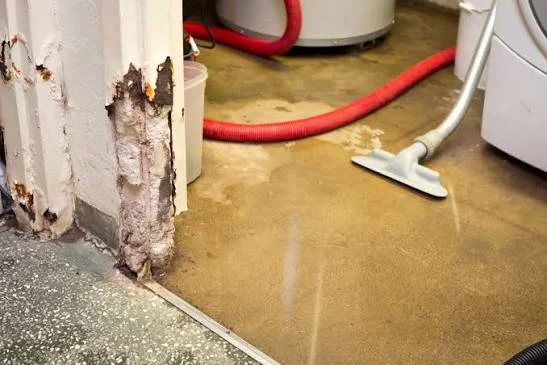
Areas like cabinet bases, baseboards, and built-in furniture can trap moisture that isn’t obvious during a quick visual check.
Why Incomplete Drying Can Create Additional Problems
Leftover moisture that isn’t addressed can lead to warping, deterioration of building materials, or mold growth — which is when a job that started as water removal turns into a professional mold removal job too.
How Moisture Monitoring Helps Confirm Drying
Ongoing moisture readings during the drying process help confirm when materials have actually reached a safe moisture level, rather than just appearing dry on the surface.
Water Removal vs. Water Extraction vs. Water Damage Restoration
| Service | Main Purpose |
|---|---|
| Water Removal | Remove unwanted water from the property |
| Water Extraction | Physically extract water from affected areas and materials |
| Water Mitigation | Limit additional damage from occurring |
| Water Cleanup | Address water-related debris and contamination |
| Water Damage Restoration | Restore the property after damage has occurred |
Types of Water Damage and Why They Matter
Clean Water
Clean water comes from a sanitary source, such as a supply line, and generally poses the lowest contamination risk if addressed quickly.
Gray Water
Gray water may contain some contaminants, such as water from a washing machine or dishwasher, and requires more careful handling than clean water.
Contaminated or Black Water
Contaminated or black water, such as sewage backup or floodwater, poses health risks and requires specialized handling and cleanup procedures.
Why Water Source Affects the Cleanup Approach
The category of water involved affects what safety precautions are needed, which materials can be salvaged, and how the cleanup process is carried out.
Can You Remove Standing Water Yourself?
When DIY May Be Reasonable
Small amounts of clean water, caught quickly, may be manageable with towels, a wet vacuum, or basic household tools.
Situations That Require Professional Help
Larger volumes of water, water that has been sitting for a while, or water affecting multiple rooms typically call for professional equipment and expertise.
Electrical and Contamination Risks
Water near electrical systems or water from a contaminated source (like sewage) presents risks that go beyond what DIY cleanup can safely handle.
Hidden Moisture and Drying Limitations
Without moisture detection equipment, it’s difficult to know whether water has spread into walls or subfloors, which is a key limitation of DIY water removal.
How Long Does Water Removal Take?
Factors That Affect the Timeline
- Amount of water involved
- Water source and category
- Materials affected
- Size of the affected area
- Whether hidden moisture is present
- Drying conditions, such as humidity and airflow
Water Removal vs. Complete Drying Timeline
Removing visible standing water is often the fastest part of the process. Complete structural drying, confirmed through moisture monitoring, generally takes longer and depends on the specific conditions of each property.
How Much Does Water Removal Cost?
What Determines Water Removal Cost?
- Amount of water involved
- Size of the affected area
- Water category
- Materials affected
- Extraction requirements
- Drying requirements
- Any additional restoration needed
Why an On-Site Assessment May Be Necessary
Because every water damage situation is different, an accurate cost estimate typically requires an on-site assessment rather than a general quote.
Does Insurance Cover Water Removal?
Why Coverage Depends on the Policy and Cause
Whether water removal is covered by insurance depends on your specific policy and the cause of the water damage. Coverage can vary significantly between policies.
What Documentation May Be Important
Photos, notes on the source of the water, and records of the work performed can be helpful when filing an insurance claim.
Questions to Ask Your Insurance Provider
Ask your provider what types of water damage are covered, whether gradual leaks are treated differently than sudden events, and what documentation they require.
Why Customers Should Avoid Assuming Coverage
Because coverage varies by policy, it’s best to confirm directly with your insurance provider rather than assuming a specific situation is covered.
Why Professional Water Removal Matters
Faster Control of Active Water Damage
A quick professional response limits how far water spreads and how much damage builds up while the situation’s still active.
Professional Moisture Assessment
Trained technicians use equipment to find moisture that isn’t visible, which gives a far more accurate picture than a walk-through with the naked eye.
Proper Drying and Dehumidification
Professional-grade air movers and dehumidifiers get to a level of drying household fans just can’t match — that’s the difference between professional water restoration and a DIY attempt.
Documentation and Monitoring
Ongoing moisture readings and documentation confirm drying is actually complete, not just assumed because things look dry on the surface.
Reducing Uncertainty About Hidden Moisture
Working with water restoration specialists cuts out the guesswork on whether moisture’s still trapped in the walls, floors, or framing.
Choosing a Water Removal Company
Verify the Company’s Local Business Information
Confirm the company’s address, service area, and contact details before scheduling service.
Check Relevant Licensing and Qualifications
Ask about licensing and industry certifications, such as IICRC training, relevant to professional water damage restoration work.
Ask About the Water Removal Process
A company should be able to clearly explain their process, from initial assessment through extraction and drying.
Ask How Moisture and Drying Are Evaluated
Ask how the company confirms that a property is fully dry, rather than just visually dry.
Review Authentic Customer Experiences
Look for genuine reviews and experiences from past customers when researching a company.
Understand What Is Included in the Service
Ask what’s included in the quoted service — extraction, drying, monitoring, and any additional restoration work — so there are no surprises. Some water remediation specialists also handle mold remediation restoration if moisture’s been sitting long enough to cause it, so it’s worth asking upfront whether that’s covered too.
Not sure if hidden moisture has led to mold? Check out our water damage assessment guide for a full breakdown.
Ready to get a real assessment instead of guessing? Call (781) 887-8424 and find out exactly what’s affected.
Our Water Removal Service Area
AWM Water Damage Restoration is based at 3919 30th St, Union Cowork, North Park, and provides water removal services across California. AWM is available 24/7 and holds IICRC certification and applicable licensing for water damage restoration work.
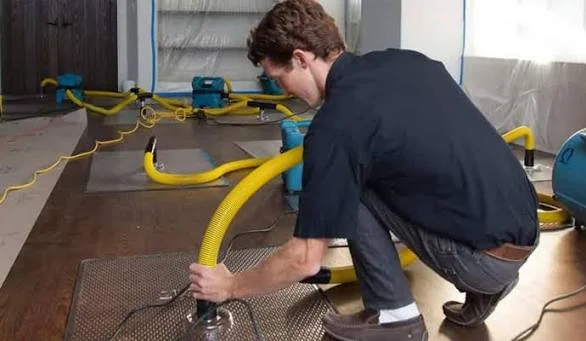
Being based in North Park puts AWM close to properties dealing with water damage from plumbing failures, appliance leaks, and seasonal storms. A fast response cuts down how long water sits before extraction and drying start, which matters most for stopping hidden moisture before it spreads — and with water damage, the gap between a same-day arrival and a next-day one can be the difference between drying out a room and replacing the flooring in it.
Frequently Asked Questions About Water Removal
What is water removal?
Water removal is the process of removing unwanted water from a property after a leak, burst pipe, storm, or other water-related event.
What is the difference between water removal and water extraction?
Water removal is the broader process of getting water out of a property, while water extraction refers specifically to the physical extraction of water from affected areas and materials.
How quickly should standing water be removed?
Standing water should be addressed as soon as possible, since the longer it sits, the more it can spread into flooring, walls, and other materials.
Can water damage dry on its own?
Some minor, small-scale water exposure may dry on its own, but larger amounts of water or water that has spread into materials often requires active extraction and drying to fully dry out.
How do professionals find hidden moisture?
Professionals use moisture meters and other detection tools to identify water that has moved into walls, subfloors, and other materials not visible on the surface.
How long does water removal take?
Timelines vary based on the amount of water, the materials affected, and whether hidden moisture is present, so there’s no single fixed timeframe.
How much does water removal cost?
Cost depends on factors like the amount of water, size of the affected area, and materials involved, which is why an on-site assessment is often needed for an accurate estimate.
Does homeowners insurance cover water removal?
Coverage depends on your specific policy and the cause of the water damage, so it’s best to confirm directly with your insurance provider.
Can I remove standing water myself?
Small amounts of clean water caught quickly may be manageable on your own, but larger volumes, contaminated water, or water near electrical systems typically require professional help.
What should I do before a water removal company arrives?
If it’s safe, shut off the water source, avoid electrical hazards, and keep people and pets away from the affected area.
What happens after the water is extracted?
After extraction, technicians typically check for hidden moisture, set up drying and dehumidification equipment, and monitor moisture levels until the area is confirmed dry.
When does water removal become water damage restoration?
Water removal focuses on getting water out and drying the property, while water damage restoration covers any repairs or rebuilding needed to return the property to its prior condition.
Water Actively Spreading Right Now?
AWM Water Damage Restoration is available 24/7 across California, based in North Park. Don’t wait for it to reach more of the property — reach out now.
📞 Call: (781) 887-8424