Emergency Water Damage Restoration in San Diego: What to Do, Who to Call & What Happens Next
⚡ 24/7 Emergency ResponseStop the water if it’s safe, keep people away from standing or contaminated water, document the damage, and call a restoration company or plumber depending on the source. Here’s exactly how to work through it, step by step.
Emergency Water Damage Restoration in San Diego: What to Do Right Now
Make Sure the Area Is Safe
Before touching anything, check whether electricity, standing water, sewage, or structural damage make the area unsafe to enter. If outlets, switches, or appliances are near standing water, or if the ceiling is sagging, stay out and shut off power at the breaker if it can be reached without stepping into water. Water that carries sewage or waste is a contamination risk and should be treated as unsafe until a professional assesses it.
Stop the Water Source If It Is Safe
If the source is a supply line, appliance, or fixture, shutting off the local valve may stop the flow. If the source is unclear or tied to the main line, shutting off the main water supply is the safer option. When the source involves plumbing you can’t isolate, a plumber may need to handle this step before restoration work begins.
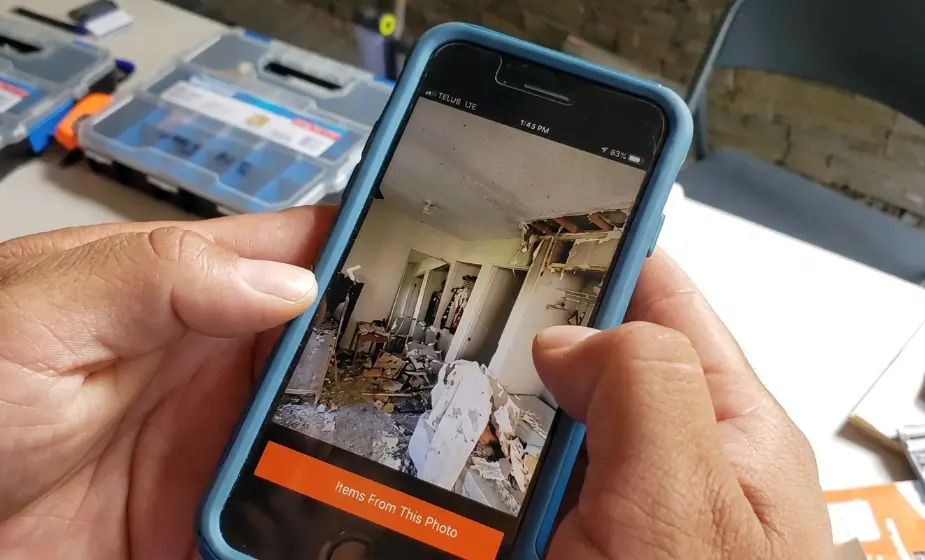
Document the Damage
Photos and video of affected rooms, materials, and visible water help with both the restoration assessment and any insurance claim. Note which belongings were affected, and keep any receipts related to emergency mitigation steps you take yourself, such as a wet-vac rental.
Protect the Property From Further Damage
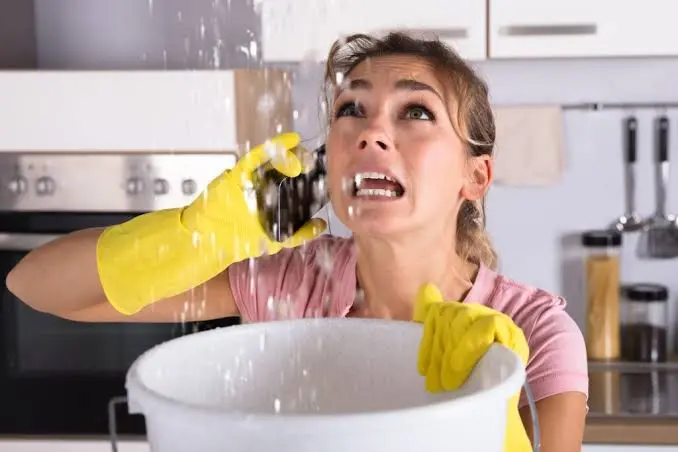
Reasonable steps — moving furniture off wet flooring, placing a container under a slow drip — can help, but avoid disturbing areas that may need to be assessed for hidden moisture. If the situation is beyond what’s manageable with basic steps, this is the point to bring in professional mitigation.
What Should You NOT Do After Water Damage?
Q: Is it okay to use a regular vacuum on wet carpet?
No — a standard household vacuum isn’t built for water and can cause an electrical hazard. Use towels or a wet-dry shop vac instead, and leave larger extraction to a professional.
Don’t Enter Unsafe Standing Water
Standing water can hide electrical hazards or contamination that isn’t visible.
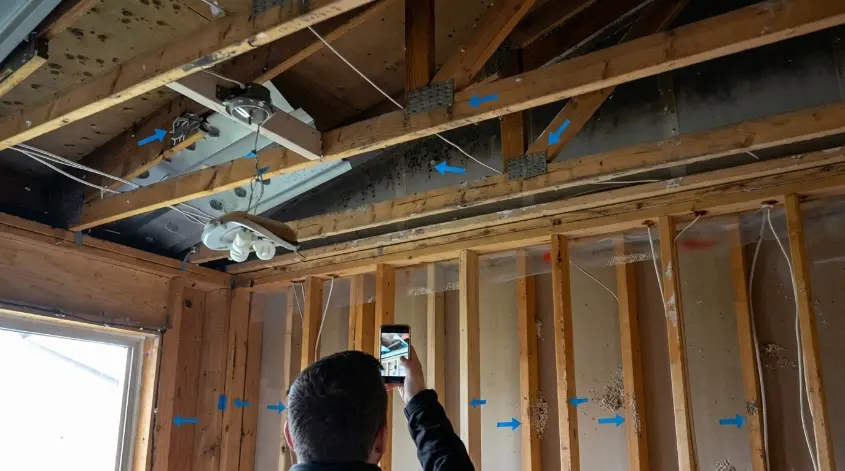
Don’t Ignore Water Behind Walls or Under Floors
Moisture that isn’t visible on the surface can still be spreading inside wall cavities or under flooring.
Don’t Assume Everything Is Dry Because the Surface Looks Dry
Surface dryness doesn’t confirm that materials underneath or behind them have dried out.
Don’t Start Major Permanent Repairs Before the Damage Is Properly Assessed
Repairing or replacing materials before an assessment can mean missing hidden moisture that causes problems later.
Don’t Throw Away Potentially Important Documentation
Receipts, photos, and records related to the damage may matter for an insurance claim later.
Don’t Assume Insurance Will Automatically Cover the Damage
Coverage depends on your specific policy and the cause of the water damage — this is addressed in more detail further down this page.
Do You Need a Plumber, Water Damage Restoration Company, or Both?
When You Need a Plumber
A plumber is the right call when the issue is a burst pipe, an active plumbing leak, a water heater failure, an appliance or supply-line issue, or a suspected slab leak — situations where the water source itself needs to be repaired.
When You Need a Water Damage Restoration Company
A restoration company handles standing water, wet flooring or walls, hidden moisture, and the extraction and drying process needed after water has affected the property.
When You May Need Both
Many situations require a plumber to repair the source and a restoration company to handle the resulting property damage. These are often two separate calls.
What If You Don’t Know Where the Water Came From?
Don’t guess. A restoration company or plumber can investigate the source using moisture assessment and leak detection rather than relying on assumptions.
What Happens After You Call a Water Damage Restoration Company?
Q: Do I need to be home for the entire visit?
You typically need to be present for the initial walkthrough and assessment, but you don’t have to stay on-site for the full extraction and drying process once it’s underway.
1. Initial Call
Be ready to describe the location of the damage, the type or suspected source of water, roughly how much water is present, whether water is still entering, and any safety or contamination concerns.
2. Arrival and Initial Assessment
The technician assesses visible damage, checks moisture levels in affected areas, and looks for possible hidden moisture beyond what’s visible.
3. Identify the Source and Damage
The team distinguishes the source of the water from the resulting damage, and brings in another specialist (such as a plumber) if the source itself needs repair.
4. Water Extraction
Standing water is removed first, since drying can’t begin effectively while water is still pooled.
5. Structural Drying
Air movers and dehumidifiers are set up to dry materials — this addresses moisture beyond what’s visible, not just standing water.
6. Moisture Monitoring
Affected areas are rechecked over the following days, and the drying setup is adjusted until moisture levels confirm the area is adequately dry.
7. Material Decisions
Some materials can be dried and saved; others may need to be removed, depending on their condition and whether contamination is involved.
8. Repair or Reconstruction
Repairs happen only where needed, and are treated as a separate phase from the mitigation and drying work.
How Long Does Water Damage Restoration Take?
What Happens During the First 24 Hours?
Emergency response, initial assessment, source control, extraction, and drying setup typically happen in this window.
What Happens During the Next 24–72 Hours?
Active drying continues, with ongoing monitoring, moisture checks, and decisions about which materials can be saved.
When Does the Repair Phase Begin?
Repairs generally begin after mitigation and drying are complete and the area has been properly assessed — not before.
Why Every Water Damage Job Has a Different Timeline
The amount of water, the materials involved, hidden moisture, the building’s construction, humidity, contamination, and the source all affect how long a job takes. There’s no single timeline that applies to every case.
What About Hidden Water Damage?
Q: Can hidden moisture cause health issues even before mold appears?
Yes. Elevated humidity from hidden moisture can affect indoor air quality and comfort even before visible mold develops, which is part of why early detection matters.
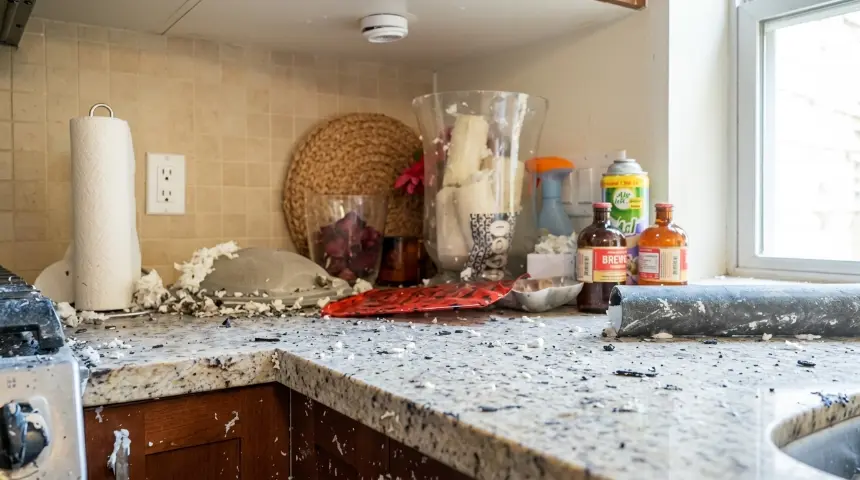
Where Can Hidden Moisture Be Found?
Behind drywall, under flooring, inside cabinets, around baseboards, and inside wall or floor assemblies are common places moisture hides.
Why Surface Dryness Isn’t Enough
A surface can feel dry while moisture is still present underneath or behind it.
How Moisture Assessment Helps Find Affected Areas
Moisture meters and other inspection methods, including thermal imaging where appropriate, help identify moisture that isn’t visible.
Why Monitoring Matters During Drying
Ongoing monitoring confirms whether the drying process is actually working, rather than assuming it is.
What Happens to Damaged Floors, Walls, Cabinets, and Belongings?
Can Water-Damaged Materials Be Saved?
Some materials can be dried and saved depending on the type of material, how long it was wet, and its condition.
When Does Material Removal Become Necessary?
Removal becomes necessary when a material can’t be adequately dried or when contamination is involved.
What Happens to Furniture and Personal Belongings?
Belongings are assessed individually — some can be cleaned and dried, others may not be salvageable.
How Contamination Changes Material Decisions
Contaminated water changes what can safely be saved, since porous materials can hold contamination even after drying.
Why the Decision Should Be Based on Actual Condition
Material decisions should reflect the actual assessed condition of each item or surface, not a blanket rule.
Does Homeowners Insurance Cover Water Damage?
Q: Should I call my insurance company before or after calling a restoration company?
There’s no single correct order — many people contact the restoration company first to stop further damage, then notify their insurer, but check your specific policy’s requirements for reporting timelines.
Water Damage vs Flood Damage
Standard homeowners insurance and flood insurance are typically separate types of coverage, and this distinction affects what’s covered.
When Water Damage May Be Covered
Coverage depends on your specific policy, but sudden and accidental situations are more commonly covered than gradual ones.
Situations That May Be Excluded
Flood damage, long-term seepage or leaks, general wear and tear, and other policy-specific exclusions may not be covered.
What Should You Document for Your Insurance Claim?
Photos and video, documentation of the affected areas, receipts, estimates, restoration records, and any moisture or drying documentation the restoration company provides.
What Does a Restoration Company Do vs What Does the Insurer Decide?
A restoration company documents and mitigates the damage; the coverage decision itself remains with your insurance policy and insurer.
How Can You Tell If the Water Damage Is Actually Fixed?
The Water Has Been Removed
Standing water is gone from all affected areas.
The Source Has Been Addressed
Whatever caused the water damage has actually been repaired, not just worked around.
Affected Areas Have Been Assessed
All areas that could have been affected, including hidden spaces, have been checked.
Drying Has Been Completed and Monitored
Drying isn’t considered done just because it’s been running for a set number of days — it’s confirmed through monitoring.
Moisture Conditions Have Been Verified
Moisture readings confirm materials have reached an acceptable level, not just a visual check.
Damaged Materials Have Been Properly Handled
Materials that needed removal were removed; materials that could be saved were properly dried.
Necessary Repairs Have Been Completed
Any repair work identified during the process has been finished.
What If Water Damage Comes Back?
Why Recurring Water Damage Matters
Water damage that returns usually means something wasn’t fully resolved the first time.
Check Whether the Original Source Was Actually Fixed
Confirm the original repair actually addressed the cause, not just the symptom.
Look for a New or Hidden Source
A new leak or a source that was missed during the original assessment could be responsible.
Reassess Moisture and Damage
A fresh moisture assessment can determine what’s actually happening this time.
When to Contact a Plumber or Other Source Specialist
If the source is plumbing-related, a plumber may need to get involved again, separately from restoration work.
Can You Stay in Your Home During Water Damage Restoration?
When Staying May Be Possible
For limited, contained damage without safety concerns, staying may be possible.
When You May Need to Leave the Affected Area
Extensive damage, strong odors, or active drying equipment in living spaces may make temporarily avoiding the area more practical.
Electrical and Structural Safety
Any electrical or structural safety concern should be evaluated before deciding to stay.
Sewage or Contaminated Water
Contaminated water situations generally require staying out of the affected area until it’s addressed.
Ask the Appropriate Professional About Site-Specific Safety
There’s no universal yes-or-no answer — ask the technician assessing your property directly.
Can You Handle Water Damage Yourself?
Situations That May Be Manageable
Small, contained spills with clean water and no hidden-moisture risk may be manageable without professional help.
Situations Better Handled by Professionals
Significant standing water, hidden moisture, contaminated water, an unknown source, widespread damage, or structural concerns are better handled by professionals.
Why Waiting Can Make the Situation More Complicated
Moisture that isn’t addressed quickly can spread further and affect more materials than the original damage.
Water Damage Scenarios in San Diego
Burst or Broken Pipe
Shut off the water at the source or main line, then call a plumber for the repair and a restoration company for the resulting water damage. Document everything for your insurer.
Water Heater Leak
Shut off the water supply to the unit if safe to do so. A plumber typically handles the unit itself, while a restoration company addresses affected flooring or nearby materials.
Appliance or Supply-Line Leak
Shut off the line feeding the appliance. Depending on the extent of the water, this may be manageable yourself or may need restoration support.
Slab or Plumbing Leak
These are harder to identify without leak detection. A plumber or restoration company can investigate before any flooring is disturbed.
Roof Leak
Address the source with a roofer, and have a restoration company check for water that may have traveled into walls or ceilings.
Toilet or Sewer Backup
Treat this as contaminated water and avoid contact. A restoration company experienced with contaminated water should be contacted directly.
Storm and Flood Water
Flood water is treated differently from indoor plumbing water, and may involve separate flood insurance considerations.
Unknown Water Source
Don’t guess — a moisture assessment or leak detection service can identify the source before more damage occurs.
Water Damage in San Diego: Local Considerations
Why Local Conditions Matter
Property age, construction methods, and local environmental conditions in San Diego can affect how water damage develops and how it should be addressed.
Areas With Recognized Flood-Risk Context
Areas such as Mission Valley, Chollas, Sorrento Valley, and the Tijuana River Valley have recognized flood-risk context worth being aware of.
Flood Damage Is Different From an Indoor Plumbing Leak
Flood water is treated differently for both restoration approach and insurance purposes than a leak inside the home.
Check Current Flood Information When Flooding Is Relevant
For current flood risk or advisories, check official FEMA flood map or City of San Diego sources directly. If you’re outside the immediate area, see our city-specific pages for Carlsbad, Del Mar, and La Mesa.
What Does 24/7 Emergency Water Damage Service Actually Mean?
24/7 Phone Availability
Someone can be reached by phone at any hour.
24/7 Dispatch
A technician can be scheduled or dispatched at any hour, which isn’t always the same as an immediate arrival.
Emergency Technician Availability
Whether a technician is actually available to respond outside normal hours varies by provider.
On-Site Response
The time it actually takes someone to arrive on-site depends on the provider, location, and current demand.
Why These Are Not Automatically the Same Thing
“24/7” can describe any of the above — it’s worth asking a provider directly what their availability actually includes. AWM Water Damage Restoration provides 24/7 availability; ask directly what that includes for your situation.
How to Choose a Water Damage Restoration Company in San Diego
Q: Is the cheapest quote always the best choice?
Not necessarily. A low quote that skips proper drying, monitoring, or documentation can cost more later if the damage isn’t fully resolved. Compare what’s actually included, not just the price.
Verify the Company’s Identity and Contact Information
Confirm a real business name, address, and contact method before hiring.
Check the Appropriate California License Information
Verify relevant California licensing directly rather than relying on a company’s own claim alone.
Check Relevant Professional Credentials
IICRC certification is a commonly recognized credential in this industry.
Confirm the Actual Service Area
Make sure the company actually serves your specific location in San Diego County.
Ask What Happens After the Initial Call
Ask what the assessment and dispatch process looks like before you need it.
Ask How Drying and Moisture Monitoring Are Handled
Ask how they confirm an area is actually dry, not just how long they run equipment.
Ask What Documentation You Will Receive
Documentation matters for your insurance claim — ask what you’ll get in writing.
Understand the Difference Between Mitigation and Reconstruction
These are often separate phases, sometimes handled by different teams. Our water mitigation and remediation pages break down where each phase starts and ends.
Check Independent Customer Experiences
Look at independent reviews rather than relying solely on a company’s own website.
What Does Water Damage Restoration Cost?
Why There Is No Single Water Damage Price
Cost depends on multiple factors specific to each situation, which is why a single flat number isn’t realistic.
Factors That Affect Cost
The amount of water, the size of the affected area, the materials involved, hidden moisture, contamination, extraction, drying, material removal, and reconstruction all factor into cost.
Mitigation vs Source Repair vs Reconstruction Costs
These are typically billed as separate scopes of work — mitigation, the source repair (such as plumbing), and any reconstruction — rather than one combined price.
What Happens After the Emergency Is Over?
Complete the Necessary Repairs
Finish any repair work identified during the restoration process.
Restore Affected Materials
Complete restoration of any materials or areas that were part of the original scope.
Review What Caused the Water Damage
Understanding the cause helps prevent a repeat situation.
Address the Original Source
Make sure the actual source, not just the symptoms, has been resolved.
Reduce the Chance of Recurrence
Simple maintenance steps can reduce the likelihood of the same issue happening again.
Keep Relevant Documentation
Hold onto restoration records in case they’re needed for future reference or a future claim.
Long-Term Support After Water Damage Restoration
Repair and Reconstruction Support
Some providers offer ongoing support for repair and reconstruction work following mitigation. See our Water Damage Restoration San Diego guide for how mitigation, repair, and reconstruction fit together.
Future Water Issues
Established providers can be a point of contact if a future water issue comes up, whether it’s a new water extraction need or a repair matter.
Maintenance and Prevention
General maintenance awareness can help catch issues before they become emergencies.
What to Do If You Notice Moisture Again
Don’t wait — a water damage assessment or inspection early is easier to address than damage that has spread.
Frequently Asked Questions
What should I do first after water damage?
Check for safety hazards, stop the water source if it’s safe to do so, and document the damage before calling a plumber or restoration company.
Is water damage considered an emergency?
Active water damage is generally treated as an emergency because delays can allow moisture to spread and affect more materials.
Who should I call first for a burst pipe?
Shut off the water if safe, then call a plumber for the pipe repair and a restoration company for the resulting water damage.
How quickly should water damage be addressed?
As soon as possible — the longer moisture sits, the more it can spread into materials and hidden areas.
How long does water damage restoration take?
It varies by job. Extraction and initial drying typically start within the first 24 hours, with active drying continuing over the following days, depending on the extent of the damage.
Can water damage be hidden behind walls?
Yes. Moisture can be present behind drywall, under flooring, or inside wall assemblies without being visible on the surface.
Can I stay in my house during restoration?
It depends on the extent of the damage and any safety concerns — ask the technician assessing your specific situation.
Will homeowners insurance cover water damage?
It depends on your specific policy and the cause of the damage. Sudden, accidental situations are more commonly covered than gradual ones.
Does homeowners insurance cover flood damage?
Flood damage is typically covered under separate flood insurance, not a standard homeowners policy.
Can water-damaged flooring or drywall be saved?
Sometimes, depending on the material, how long it was wet, and whether contamination is involved.
Can I clean up water damage myself?
Small, contained, clean-water situations may be manageable yourself. Standing water, hidden moisture, or contamination are better left to professionals.
What happens if water damage comes back?
It usually means the original source wasn’t fully fixed or a new source is present — a fresh assessment can identify what’s happening.
How do I know the property is completely dry?
Moisture readings, not just time or appearance, confirm whether materials have reached an acceptable moisture level.
Does 24/7 mean a technician will arrive immediately?
Not necessarily. 24/7 can refer to phone availability, dispatch, or on-site response, and these aren’t always the same thing — ask the provider directly.
What happens after I call a restoration company?
They’ll typically ask about the location, source, and extent of the water before an assessment, extraction, and drying process begins.
Need Help With Water Damage in San Diego?
AWM Water Damage Restoration serves San Diego County and is available 24/7. After you contact us, we assess the damage, control the source where possible, and begin extraction and drying — with clear documentation for your records or insurance claim.
Contact Us
Emergency Water Damage Restoration in San Diego: What to Do, Who to Call & What Happens Next
⚡ 24/7 Emergency ResponseStop the water if it’s safe, keep people away from standing or contaminated water, document the damage, and call a restoration company or plumber depending on the source. Here’s exactly how to work through it, step by step.
Emergency Water Damage Restoration in San Diego: What to Do Right Now
Make Sure the Area Is Safe
Before touching anything, check whether electricity, standing water, sewage, or structural damage make the area unsafe to enter. If outlets, switches, or appliances are near standing water, or if the ceiling is sagging, stay out and shut off power at the breaker if it can be reached without stepping into water. Water that carries sewage or waste is a contamination risk and should be treated as unsafe until a professional assesses it.
Stop the Water Source If It Is Safe
If the source is a supply line, appliance, or fixture, shutting off the local valve may stop the flow. If the source is unclear or tied to the main line, shutting off the main water supply is the safer option. When the source involves plumbing you can’t isolate, a plumber may need to handle this step before restoration work begins.
Document the Damage
Photos and video of affected rooms, materials, and visible water help with both the restoration assessment and any insurance claim. Note which belongings were affected, and keep any receipts related to emergency mitigation steps you take yourself, such as a wet-vac rental.
Protect the Property From Further Damage
Reasonable steps — moving furniture off wet flooring, placing a container under a slow drip — can help, but avoid disturbing areas that may need to be assessed for hidden moisture. If the situation is beyond what’s manageable with basic steps, this is the point to bring in professional mitigation.
What Should You NOT Do After Water Damage?
Q: Is it okay to use a regular vacuum on wet carpet?
No — a standard household vacuum isn’t built for water and can cause an electrical hazard. Use towels or a wet-dry shop vac instead, and leave larger extraction to a professional.
Don’t Enter Unsafe Standing Water
Standing water can hide electrical hazards or contamination that isn’t visible.
Don’t Ignore Water Behind Walls or Under Floors
Moisture that isn’t visible on the surface can still be spreading inside wall cavities or under flooring.
Don’t Assume Everything Is Dry Because the Surface Looks Dry
Surface dryness doesn’t confirm that materials underneath or behind them have dried out.
Don’t Start Major Permanent Repairs Before the Damage Is Properly Assessed
Repairing or replacing materials before an assessment can mean missing hidden moisture that causes problems later.
Don’t Throw Away Potentially Important Documentation
Receipts, photos, and records related to the damage may matter for an insurance claim later.
Don’t Assume Insurance Will Automatically Cover the Damage
Coverage depends on your specific policy and the cause of the water damage — this is addressed in more detail further down this page.
Do You Need a Plumber, Water Damage Restoration Company, or Both?
When You Need a Plumber
A plumber is the right call when the issue is a burst pipe, an active plumbing leak, a water heater failure, an appliance or supply-line issue, or a suspected slab leak — situations where the water source itself needs to be repaired.
When You Need a Water Damage Restoration Company
A restoration company handles standing water, wet flooring or walls, hidden moisture, and the extraction and drying process needed after water has affected the property.
When You May Need Both
Many situations require a plumber to repair the source and a restoration company to handle the resulting property damage. These are often two separate calls.
What If You Don’t Know Where the Water Came From?
Don’t guess. A restoration company or plumber can investigate the source using moisture assessment and leak detection rather than relying on assumptions.
What Happens After You Call a Water Damage Restoration Company?
Q: Do I need to be home for the entire visit?
You typically need to be present for the initial walkthrough and assessment, but you don’t have to stay on-site for the full extraction and drying process once it’s underway.
1. Initial Call
Be ready to describe the location of the damage, the type or suspected source of water, roughly how much water is present, whether water is still entering, and any safety or contamination concerns.
2. Arrival and Initial Assessment
The technician assesses visible damage, checks moisture levels in affected areas, and looks for possible hidden moisture beyond what’s visible.
3. Identify the Source and Damage
The team distinguishes the source of the water from the resulting damage, and brings in another specialist (such as a plumber) if the source itself needs repair.
4. Water Extraction
Standing water is removed first, since drying can’t begin effectively while water is still pooled.
5. Structural Drying
Air movers and dehumidifiers are set up to dry materials — this addresses moisture beyond what’s visible, not just standing water.
6. Moisture Monitoring
Affected areas are rechecked over the following days, and the drying setup is adjusted until moisture levels confirm the area is adequately dry.
7. Material Decisions
Some materials can be dried and saved; others may need to be removed, depending on their condition and whether contamination is involved.
8. Repair or Reconstruction
Repairs happen only where needed, and are treated as a separate phase from the mitigation and drying work.
How Long Does Water Damage Restoration Take?
What Happens During the First 24 Hours?
Emergency response, initial assessment, source control, extraction, and drying setup typically happen in this window.
What Happens During the Next 24–72 Hours?
Active drying continues, with ongoing monitoring, moisture checks, and decisions about which materials can be saved.
When Does the Repair Phase Begin?
Repairs generally begin after mitigation and drying are complete and the area has been properly assessed — not before.
Why Every Water Damage Job Has a Different Timeline
The amount of water, the materials involved, hidden moisture, the building’s construction, humidity, contamination, and the source all affect how long a job takes. There’s no single timeline that applies to every case.
What About Hidden Water Damage?
Q: Can hidden moisture cause health issues even before mold appears?
Yes. Elevated humidity from hidden moisture can affect indoor air quality and comfort even before visible mold develops, which is part of why early detection matters.
Where Can Hidden Moisture Be Found?
Behind drywall, under flooring, inside cabinets, around baseboards, and inside wall or floor assemblies are common places moisture hides.
Why Surface Dryness Isn’t Enough
A surface can feel dry while moisture is still present underneath or behind it.
How Moisture Assessment Helps Find Affected Areas
Moisture meters and other inspection methods, including thermal imaging where appropriate, help identify moisture that isn’t visible.
Why Monitoring Matters During Drying
Ongoing monitoring confirms whether the drying process is actually working, rather than assuming it is.
What Happens to Damaged Floors, Walls, Cabinets, and Belongings?
Can Water-Damaged Materials Be Saved?
Some materials can be dried and saved depending on the type of material, how long it was wet, and its condition.
When Does Material Removal Become Necessary?
Removal becomes necessary when a material can’t be adequately dried or when contamination is involved.
What Happens to Furniture and Personal Belongings?
Belongings are assessed individually — some can be cleaned and dried, others may not be salvageable.
How Contamination Changes Material Decisions
Contaminated water changes what can safely be saved, since porous materials can hold contamination even after drying.
Why the Decision Should Be Based on Actual Condition
Material decisions should reflect the actual assessed condition of each item or surface, not a blanket rule.
Does Homeowners Insurance Cover Water Damage?
Q: Should I call my insurance company before or after calling a restoration company?
There’s no single correct order — many people contact the restoration company first to stop further damage, then notify their insurer, but check your specific policy’s requirements for reporting timelines.
Water Damage vs Flood Damage
Standard homeowners insurance and flood insurance are typically separate types of coverage, and this distinction affects what’s covered.
When Water Damage May Be Covered
Coverage depends on your specific policy, but sudden and accidental situations are more commonly covered than gradual ones.
Situations That May Be Excluded
Flood damage, long-term seepage or leaks, general wear and tear, and other policy-specific exclusions may not be covered.
What Should You Document for Your Insurance Claim?
Photos and video, documentation of the affected areas, receipts, estimates, restoration records, and any moisture or drying documentation the restoration company provides.
What Does a Restoration Company Do vs What Does the Insurer Decide?
A restoration company documents and mitigates the damage; the coverage decision itself remains with your insurance policy and insurer.
How Can You Tell If the Water Damage Is Actually Fixed?
The Water Has Been Removed
Standing water is gone from all affected areas.
The Source Has Been Addressed
Whatever caused the water damage has actually been repaired, not just worked around.
Affected Areas Have Been Assessed
All areas that could have been affected, including hidden spaces, have been checked.
Drying Has Been Completed and Monitored
Drying isn’t considered done just because it’s been running for a set number of days — it’s confirmed through monitoring.
Moisture Conditions Have Been Verified
Moisture readings confirm materials have reached an acceptable level, not just a visual check.
Damaged Materials Have Been Properly Handled
Materials that needed removal were removed; materials that could be saved were properly dried.
Necessary Repairs Have Been Completed
Any repair work identified during the process has been finished.
What If Water Damage Comes Back?
Why Recurring Water Damage Matters
Water damage that returns usually means something wasn’t fully resolved the first time.
Check Whether the Original Source Was Actually Fixed
Confirm the original repair actually addressed the cause, not just the symptom.
Look for a New or Hidden Source
A new leak or a source that was missed during the original assessment could be responsible.
Reassess Moisture and Damage
A fresh moisture assessment can determine what’s actually happening this time.
When to Contact a Plumber or Other Source Specialist
If the source is plumbing-related, a plumber may need to get involved again, separately from restoration work.
Can You Stay in Your Home During Water Damage Restoration?
When Staying May Be Possible
For limited, contained damage without safety concerns, staying may be possible.
When You May Need to Leave the Affected Area
Extensive damage, strong odors, or active drying equipment in living spaces may make temporarily avoiding the area more practical.
Electrical and Structural Safety
Any electrical or structural safety concern should be evaluated before deciding to stay.
Sewage or Contaminated Water
Contaminated water situations generally require staying out of the affected area until it’s addressed.
Ask the Appropriate Professional About Site-Specific Safety
There’s no universal yes-or-no answer — ask the technician assessing your property directly.
Can You Handle Water Damage Yourself?
Situations That May Be Manageable
Small, contained spills with clean water and no hidden-moisture risk may be manageable without professional help.
Situations Better Handled by Professionals
Significant standing water, hidden moisture, contaminated water, an unknown source, widespread damage, or structural concerns are better handled by professionals.
Why Waiting Can Make the Situation More Complicated
Moisture that isn’t addressed quickly can spread further and affect more materials than the original damage.
Water Damage Scenarios in San Diego
Burst or Broken Pipe
Shut off the water at the source or main line, then call a plumber for the repair and a restoration company for the resulting water damage. Document everything for your insurer.
Water Heater Leak
Shut off the water supply to the unit if safe to do so. A plumber typically handles the unit itself, while a restoration company addresses affected flooring or nearby materials.
Appliance or Supply-Line Leak
Shut off the line feeding the appliance. Depending on the extent of the water, this may be manageable yourself or may need restoration support.
Slab or Plumbing Leak
These are harder to identify without leak detection. A plumber or restoration company can investigate before any flooring is disturbed.
Roof Leak
Address the source with a roofer, and have a restoration company check for water that may have traveled into walls or ceilings.
Toilet or Sewer Backup
Treat this as contaminated water and avoid contact. A restoration company experienced with contaminated water should be contacted directly.
Storm and Flood Water
Flood water is treated differently from indoor plumbing water, and may involve separate flood insurance considerations.
Unknown Water Source
Don’t guess — a moisture assessment or leak detection service can identify the source before more damage occurs.
Water Damage in San Diego: Local Considerations
Why Local Conditions Matter
Property age, construction methods, and local environmental conditions in San Diego can affect how water damage develops and how it should be addressed.
Areas With Recognized Flood-Risk Context
Areas such as Mission Valley, Chollas, Sorrento Valley, and the Tijuana River Valley have recognized flood-risk context worth being aware of.
Flood Damage Is Different From an Indoor Plumbing Leak
Flood water is treated differently for both restoration approach and insurance purposes than a leak inside the home.
Check Current Flood Information When Flooding Is Relevant
For current flood risk or advisories, check official FEMA flood map or City of San Diego sources directly. If you’re outside the immediate area, see our city-specific pages for Carlsbad, Del Mar, and La Mesa.
What Does 24/7 Emergency Water Damage Service Actually Mean?
24/7 Phone Availability
Someone can be reached by phone at any hour.
24/7 Dispatch
A technician can be scheduled or dispatched at any hour, which isn’t always the same as an immediate arrival.
Emergency Technician Availability
Whether a technician is actually available to respond outside normal hours varies by provider.
On-Site Response
The time it actually takes someone to arrive on-site depends on the provider, location, and current demand.
Why These Are Not Automatically the Same Thing
“24/7” can describe any of the above — it’s worth asking a provider directly what their availability actually includes. AWM Water Damage Restoration provides 24/7 availability; ask directly what that includes for your situation.
How to Choose a Water Damage Restoration Company in San Diego
Q: Is the cheapest quote always the best choice?
Not necessarily. A low quote that skips proper drying, monitoring, or documentation can cost more later if the damage isn’t fully resolved. Compare what’s actually included, not just the price.
Verify the Company’s Identity and Contact Information
Confirm a real business name, address, and contact method before hiring.
Check the Appropriate California License Information
Verify relevant California licensing directly rather than relying on a company’s own claim alone.
Check Relevant Professional Credentials
IICRC certification is a commonly recognized credential in this industry.
Confirm the Actual Service Area
Make sure the company actually serves your specific location in San Diego County.
Ask What Happens After the Initial Call
Ask what the assessment and dispatch process looks like before you need it.
Ask How Drying and Moisture Monitoring Are Handled
Ask how they confirm an area is actually dry, not just how long they run equipment.
Ask What Documentation You Will Receive
Documentation matters for your insurance claim — ask what you’ll get in writing.
Understand the Difference Between Mitigation and Reconstruction
These are often separate phases, sometimes handled by different teams. Our water mitigation and remediation pages break down where each phase starts and ends.
Check Independent Customer Experiences
Look at independent reviews rather than relying solely on a company’s own website.
What Does Water Damage Restoration Cost?
Why There Is No Single Water Damage Price
Cost depends on multiple factors specific to each situation, which is why a single flat number isn’t realistic.
Factors That Affect Cost
The amount of water, the size of the affected area, the materials involved, hidden moisture, contamination, extraction, drying, material removal, and reconstruction all factor into cost.
Mitigation vs Source Repair vs Reconstruction Costs
These are typically billed as separate scopes of work — mitigation, the source repair (such as plumbing), and any reconstruction — rather than one combined price.
What Happens After the Emergency Is Over?
Complete the Necessary Repairs
Finish any repair work identified during the restoration process.
Restore Affected Materials
Complete restoration of any materials or areas that were part of the original scope.
Review What Caused the Water Damage
Understanding the cause helps prevent a repeat situation.
Address the Original Source
Make sure the actual source, not just the symptoms, has been resolved.
Reduce the Chance of Recurrence
Simple maintenance steps can reduce the likelihood of the same issue happening again.
Keep Relevant Documentation
Hold onto restoration records in case they’re needed for future reference or a future claim.
Long-Term Support After Water Damage Restoration
Repair and Reconstruction Support
Some providers offer ongoing support for repair and reconstruction work following mitigation. See our Water Damage Restoration San Diego guide for how mitigation, repair, and reconstruction fit together.
Future Water Issues
Established providers can be a point of contact if a future water issue comes up, whether it’s a new water extraction need or a repair matter.
Maintenance and Prevention
General maintenance awareness can help catch issues before they become emergencies.
What to Do If You Notice Moisture Again
Don’t wait — a water damage assessment or inspection early is easier to address than damage that has spread.
Frequently Asked Questions
What should I do first after water damage?
Check for safety hazards, stop the water source if it’s safe to do so, and document the damage before calling a plumber or restoration company.
Is water damage considered an emergency?
Active water damage is generally treated as an emergency because delays can allow moisture to spread and affect more materials.
Who should I call first for a burst pipe?
Shut off the water if safe, then call a plumber for the pipe repair and a restoration company for the resulting water damage.
How quickly should water damage be addressed?
As soon as possible — the longer moisture sits, the more it can spread into materials and hidden areas.
How long does water damage restoration take?
It varies by job. Extraction and initial drying typically start within the first 24 hours, with active drying continuing over the following days, depending on the extent of the damage.
Can water damage be hidden behind walls?
Yes. Moisture can be present behind drywall, under flooring, or inside wall assemblies without being visible on the surface.
Can I stay in my house during restoration?
It depends on the extent of the damage and any safety concerns — ask the technician assessing your specific situation.
Will homeowners insurance cover water damage?
It depends on your specific policy and the cause of the damage. Sudden, accidental situations are more commonly covered than gradual ones.
Does homeowners insurance cover flood damage?
Flood damage is typically covered under separate flood insurance, not a standard homeowners policy.
Can water-damaged flooring or drywall be saved?
Sometimes, depending on the material, how long it was wet, and whether contamination is involved.
Can I clean up water damage myself?
Small, contained, clean-water situations may be manageable yourself. Standing water, hidden moisture, or contamination are better left to professionals.
What happens if water damage comes back?
It usually means the original source wasn’t fully fixed or a new source is present — a fresh assessment can identify what’s happening.
How do I know the property is completely dry?
Moisture readings, not just time or appearance, confirm whether materials have reached an acceptable moisture level.
Does 24/7 mean a technician will arrive immediately?
Not necessarily. 24/7 can refer to phone availability, dispatch, or on-site response, and these aren’t always the same thing — ask the provider directly.
What happens after I call a restoration company?
They’ll typically ask about the location, source, and extent of the water before an assessment, extraction, and drying process begins.
Need Help With Water Damage in San Diego?
AWM Water Damage Restoration serves San Diego County and is available 24/7. After you contact us, we assess the damage, control the source where possible, and begin extraction and drying — with clear documentation for your records or insurance claim.
Contact Us