Water Damage Inspection in
San Diego, California
A clear evaluation of where moisture is, what it has affected, and what needs to happen next — before you decide on drying, repairs, or a call to your insurer.
What Is a Water Damage Inspection?
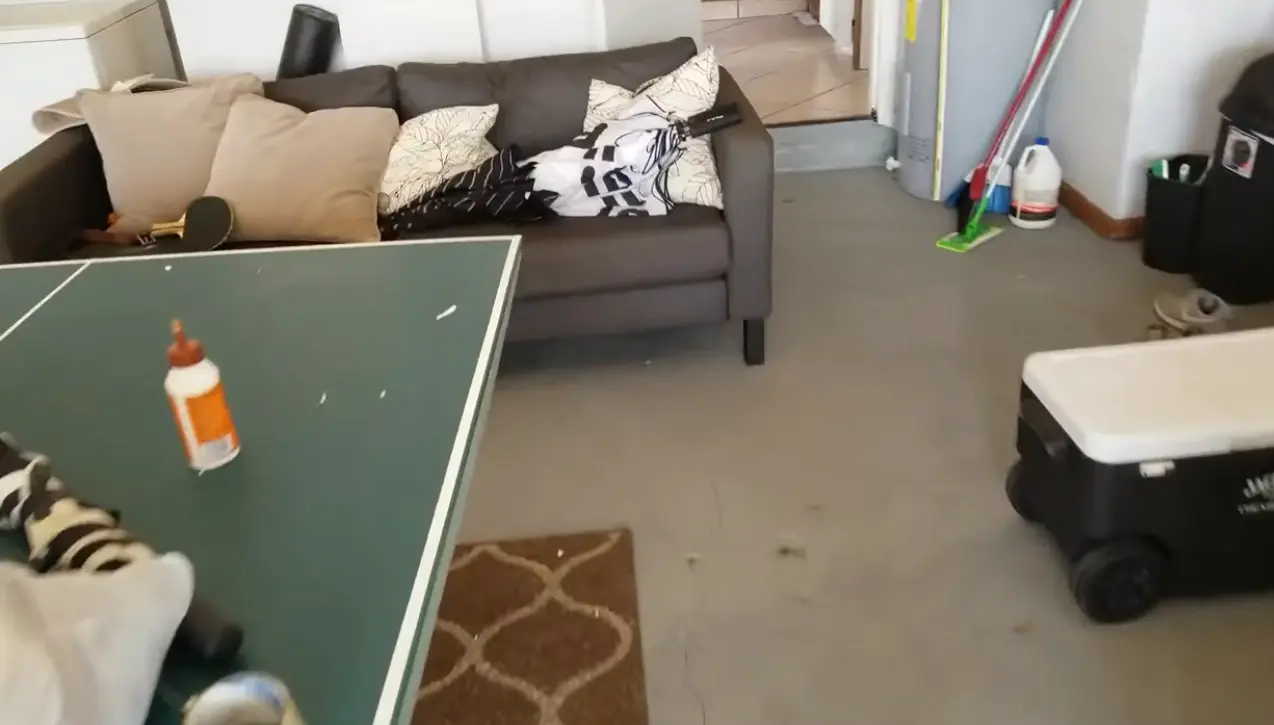
A water damage inspection is an evaluation of a property to determine whether water or moisture is present, where it has spread, and which building materials may have been affected. It’s a diagnostic step, not a repair — the inspector’s job is to gather evidence, not to fix anything on the spot. That distinction matters, because the findings from an inspection are what determine whether drying, mitigation, or repair work is actually needed, and how extensive that work should be. If restoration ends up being necessary, our water damage restoration page covers what that process involves.
Most water damage inspections combine a visual walkthrough with moisture measurement tools, since water often travels further than it appears to, and a surface that looks dry can still be holding moisture underneath.
What This Kind of Inspection Can Help Determine
A thorough water damage inspection is built around a simple sequence: observation, measurement, interpretation, and finding. An inspector looks at the property, takes readings, compares those readings against context, and arrives at a conclusion about what’s actually happening. Depending on the situation, that process can help identify:
- Visible water damage — staining, warping, discoloration, or bubbling
- Moisture presence in walls, floors, ceilings, or other materials
- Areas that may be affected but aren’t yet showing visible signs
- Which building materials have absorbed moisture and to what degree
- Hidden moisture concerns behind or beneath finished surfaces
- Possible pathways water may have traveled through the structure
- Conditions that appear to need further investigation before any conclusion can be drawn
- What reasonable next steps look like based on what was actually found
It’s worth being upfront about what an inspection is not: it doesn’t always establish an exact cause, and it can’t promise a complete picture of every concealed condition in a structure. Inaccessible areas and hidden assemblies have limits, and a good inspector will say so rather than guess.
When Should You Schedule a Water Damage Inspection?
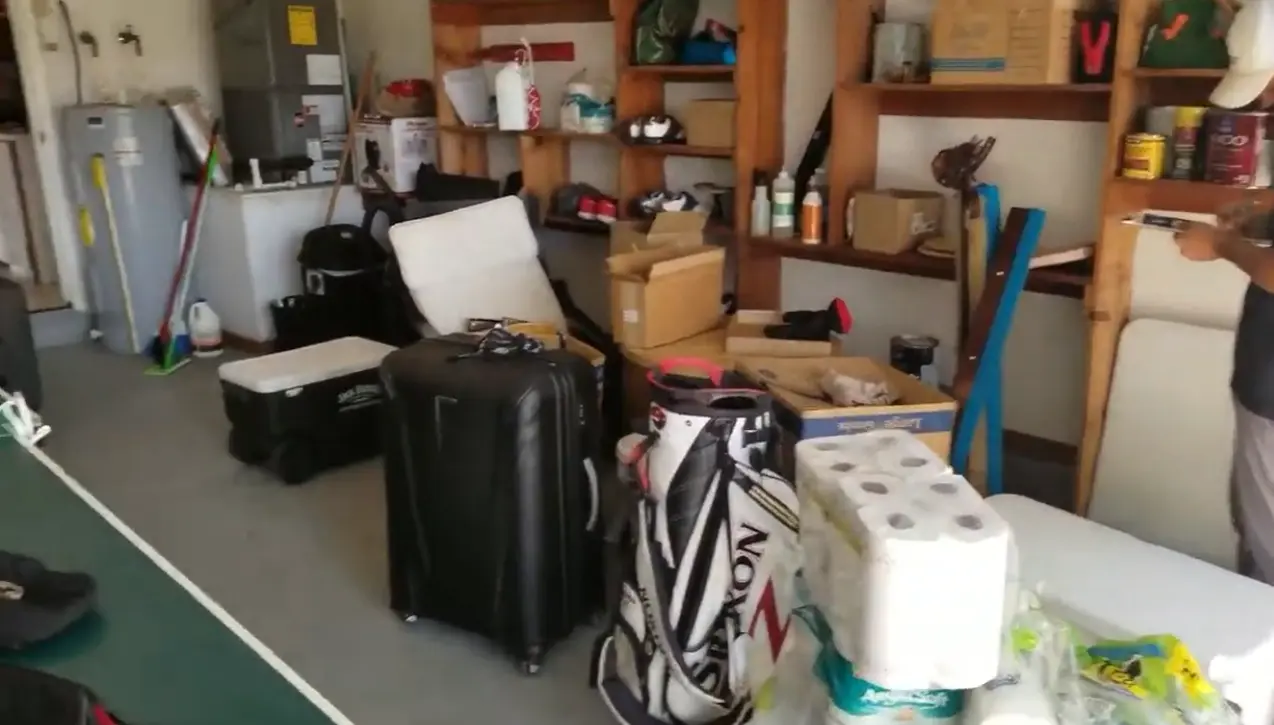
There’s no single trigger for scheduling an inspection — it usually comes down to the specific situation you’re dealing with.
After a Plumbing Leak or Pipe Failure
A burst pipe, a slow supply-line leak, or a failed fitting can push water into wall cavities, under flooring, or behind cabinetry well before it becomes visible on a wall or ceiling. An inspection after a plumbing failure checks how far the water actually traveled, not just where it surfaced.
When Water Is No Longer Visible
Standing water being gone doesn’t mean the affected materials are dry. Drywall, subfloor, and framing can hold moisture for days after the surface appears dry to the eye, and materials that stay damp are what lead to secondary problems like warping or mold growth. If water was present and has since disappeared, that’s still a reasonable time to check what’s underneath.
When You Suspect Hidden Moisture
A musty smell, a soft spot in flooring, peeling paint, or a wall that feels cool or slightly damp to the touch can all point to moisture that hasn’t fully surfaced yet. Common areas where this shows up include walls, floors, ceilings, cabinets, and other concealed spaces near plumbing or exterior walls.
After an Appliance or Fixture Leak
Washing machines, water heaters, dishwashers, and refrigerator supply lines are common sources of slow, low-visibility leaks. Because these leaks are often gradual, damage can extend into surrounding flooring or cabinetry before anyone notices.
After Roof or Exterior Water Intrusion
Roof leaks and wind-driven rain don’t always show up directly below the point of entry — water can travel along framing or insulation before it becomes visible on a ceiling or wall.
When a Water Problem Keeps Returning
A stain that reappears after drying, or a recurring damp smell in the same area, usually means the underlying source hasn’t been fully addressed. An inspection can help clarify whether the issue is ongoing moisture, a slow leak, or a material that never fully dried the first time.
What Does the Inspection Actually Check?
Visible Conditions and Signs of Water Intrusion
This is the starting point of any inspection — staining, discoloration, bubbling paint, warped trim, sagging ceilings, or visible mold growth. These are the signs most homeowners notice first, and they’re the reason an inspection gets scheduled in the first place.
Moisture in Building Materials
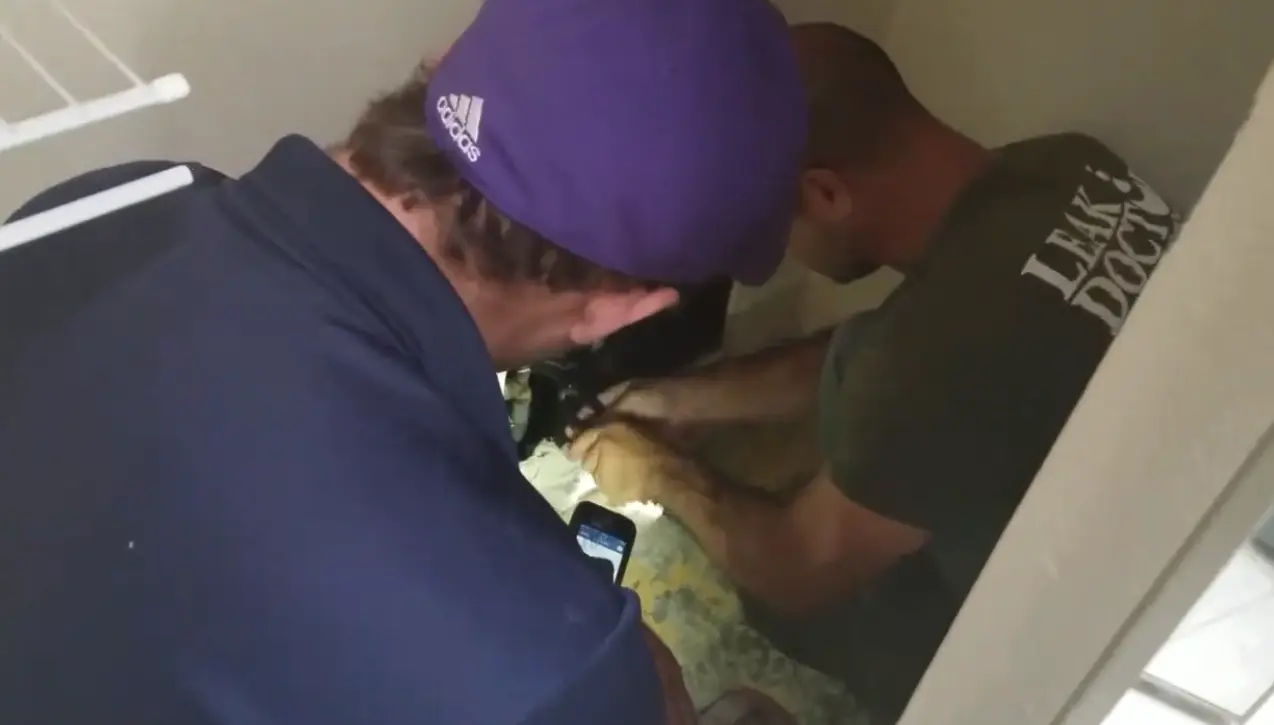
Beyond what’s visible, an inspection looks at how much moisture specific materials have absorbed. This can include drywall, wood framing, flooring, carpet and pad, subfloor, ceilings, and cabinetry — each of which holds and releases moisture differently, which affects how long drying takes and whether a material can be saved.
Areas Where Moisture May Be Concealed
Moisture doesn’t stay confined to where it first entered. It can move into wall cavities, under flooring, or behind built-in fixtures — areas that aren’t visible without measurement tools or, in some cases, limited access into the assembly.
The Extent and Distribution of Moisture
How far moisture has spread isn’t just a square-footage number. It can involve horizontal spread across a floor, vertical movement up a wall, pockets in concealed areas, differences in how various materials absorbed the water, how accessible the affected area is, and how much time has passed since the water event.
Possible Water Pathways and Source Indicators
Where damage appears, where moisture is actually located, and where the water originated aren’t always the same place. Water follows gravity and the path of least resistance, so a stain on a ceiling might trace back to a leak several feet away. Identifying likely pathways is part of building a complete picture, even when it doesn’t always pinpoint an exact source.
How Does a Water Damage Inspection Work?
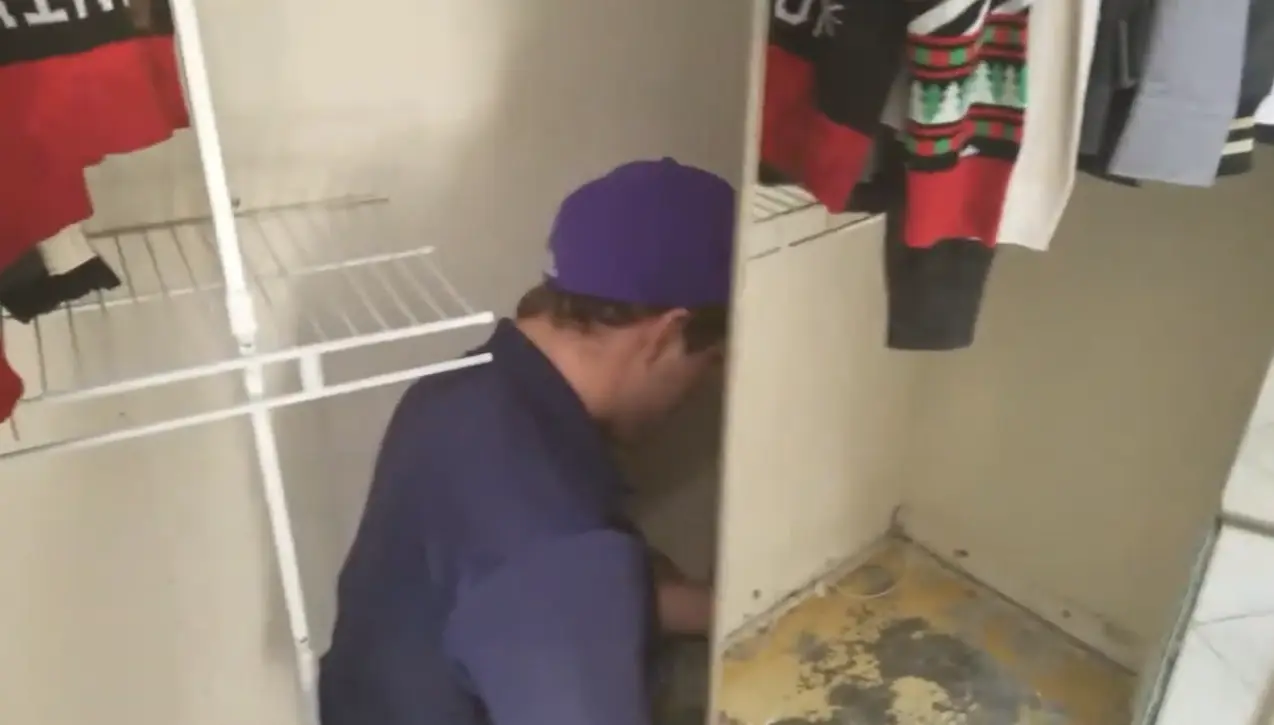
1. Visual Inspection
The process starts with direct observation — looking for staining, warping, discoloration, and other visible indicators across the affected area and the spaces around it.
2. Moisture Investigation
Moisture meters and other tools are used to check materials that don’t show visible signs but may still be holding water. These readings provide evidence about which materials are actually affected, rather than relying on appearance alone.
3. Moisture Mapping
Individual readings are organized spatially — noting where moisture was found relative to the rest of the space — to build a clearer picture of how far it has spread and in which direction.
4. Thermal Imaging When Appropriate
Thermal cameras can highlight temperature differences across a surface, which sometimes point toward areas worth checking further with a moisture meter. It’s worth being clear about what this tool actually does: it detects temperature patterns and potential anomalies, and it can assist an investigation — but a temperature difference on its own doesn’t automatically prove water is present. It’s a lead, not a conclusion.
5. Source Investigation Where Applicable
There’s a meaningful difference between identifying a symptom (a stain, a soft spot), locating where moisture currently is, investigating where it likely came from, and correcting the underlying source. An inspection can move through the first three steps; correcting a source — say, a failed pipe fitting — is typically a separate repair.
6. Documentation of Findings
Depending on the situation, documentation can include photographs, written observations, moisture readings, thermal images, and moisture maps. This record is what supports any next decision, whether that’s monitoring, drying, or further evaluation.
How Is Hidden Water Damage Detected?
Why Visible Inspection Alone May Not Show the Full Condition
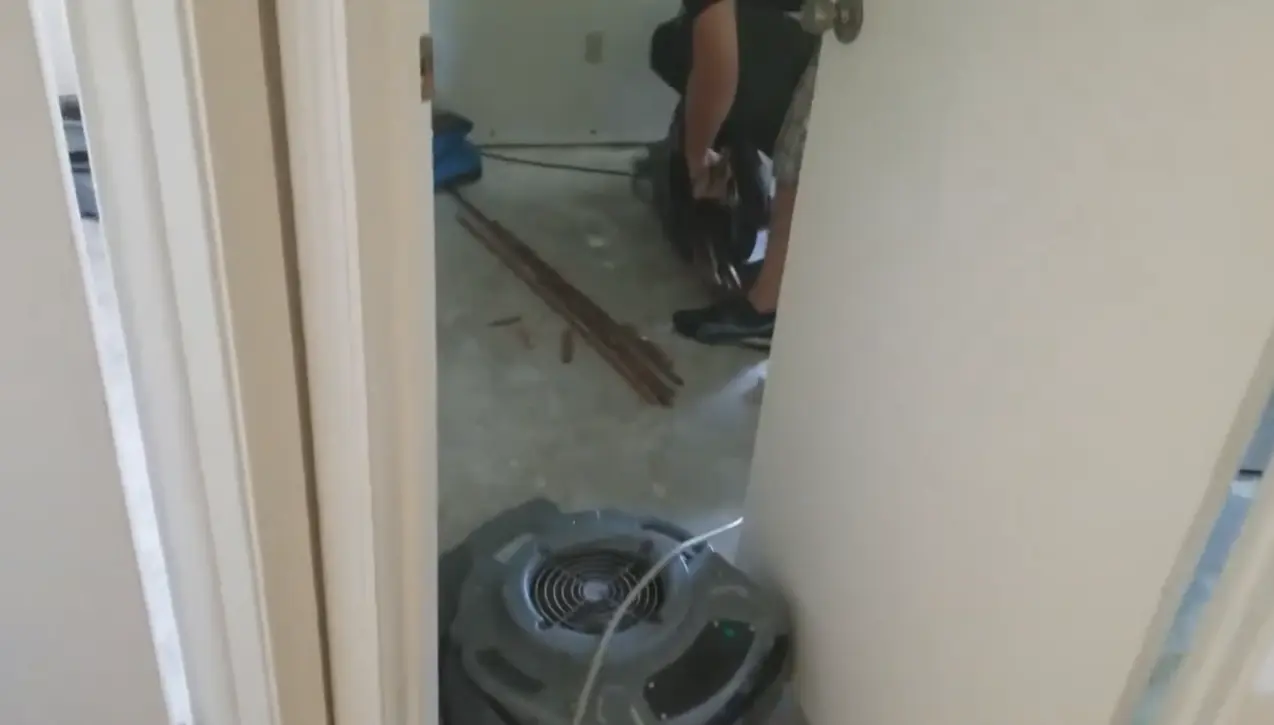
Looking at a wall or floor only tells you about the surface. Water can sit inside a cavity or under a finished surface for a while without ever showing itself outwardly, which is why a visual-only check can miss a meaningful part of the actual condition.
Where Hidden Moisture Can Occur
Common locations include behind walls, under flooring, beneath carpets and pad, above ceilings, around plumbing runs, and inside other concealed assemblies where water has an easy path to travel but no easy way to evaporate.
How Moisture Measurements Help
A single number from a moisture meter doesn’t mean much on its own. It only becomes useful in context: the reading, the material it was taken from, how that reading compares to a dry baseline, and what that comparison suggests. Treating one reading as an automatic diagnosis skips over that context — which is why inspectors take multiple readings across an area rather than relying on a single spot check.
How Thermal Imaging Can Support the Investigation
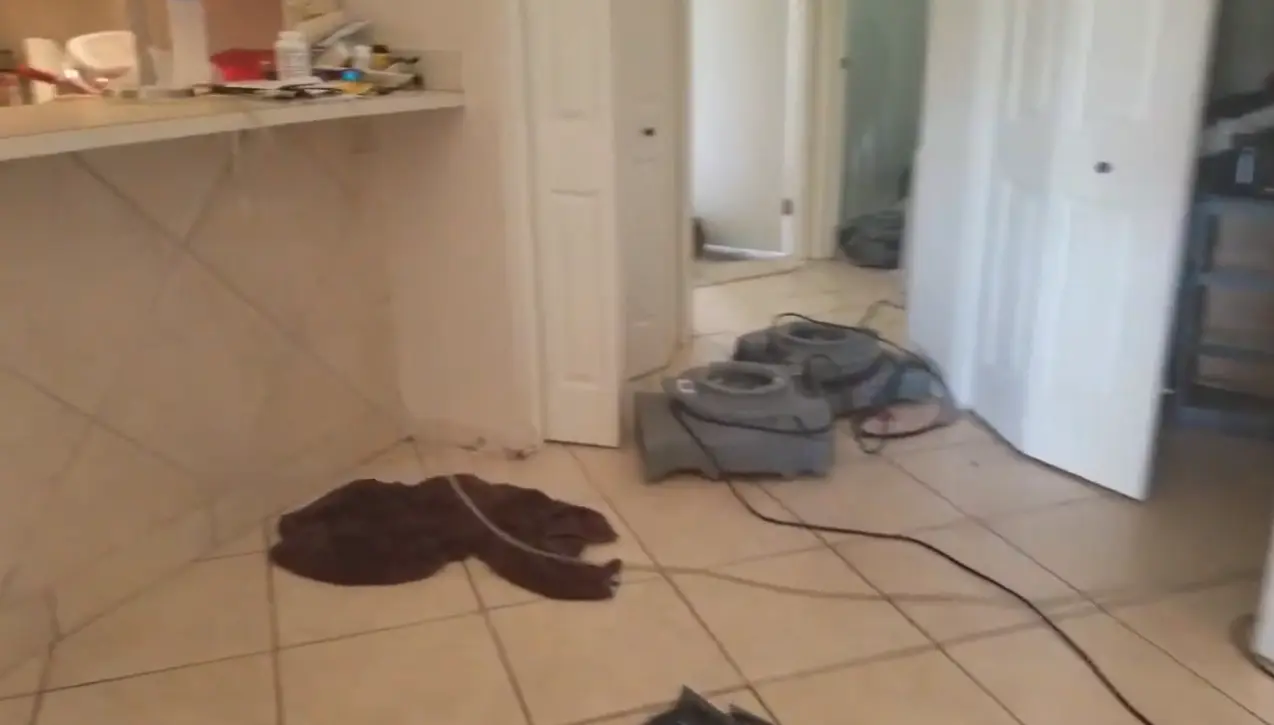
Thermal imaging is a useful supporting tool for narrowing down where to check further, but it doesn’t “see through walls” or directly detect water. It shows surface temperature differences, which can be caused by moisture evaporating — or by insulation gaps, airflow, or other unrelated factors. It works best alongside moisture meters, not as a replacement for them.
What Hidden-Moisture Inspection Cannot Guarantee
It’s worth being honest about the limits here. An inspection can’t always reach every space in a structure, conditions can change after the inspection is complete, intermittent leaks may not be active during the visit, and some assemblies simply can’t be checked without opening them up. A responsible inspection reports what was found and what couldn’t be checked — rather than implying a complete guarantee that doesn’t exist.
What Can the Inspection Tell You?
This is the practical payoff of the process — what you actually walk away knowing.
Where Moisture or Water-Related Evidence Was Found
A clear record of which areas showed elevated moisture, visible damage, or other evidence tied to the water event.
Which Areas or Materials May Be Affected
An assessment of which specific materials — drywall, flooring, subfloor, and so on — appear to have absorbed moisture, and to what extent.
Whether Further Investigation May Be Needed
In some cases, findings point toward a need for additional access — opening a section of wall, for example — to confirm what’s happening inside a concealed area.
What Conditions May Require Drying, Mitigation, Repair, or Monitoring
Not every finding calls for the same response. Some conditions can be resolved with drying equipment, others require material removal and repair, and some simply need to be monitored over time. An inspection’s findings inform that decision — they don’t automatically decide it. That decision is made with the property owner, based on the evidence gathered.
What Happens After the Inspection?
If Moisture Is Found
Depending on what the findings show, possible next steps can include drying affected materials, mitigation to prevent the damage from spreading, further evaluation of specific materials, additional source investigation, or repair.
If Moisture Is Not Found
A clean result is still shaped by the conditions the inspection was performed under — what was accessible, what could be measured, and what the situation looked like at that specific time. It’s a genuinely useful finding, but it reflects those conditions rather than an absolute guarantee about every part of the structure.
If the Source Is Still Uncertain
When the evidence doesn’t clearly point to a single source, additional investigation — sometimes involving a plumber or another trade — may be a reasonable next step before proceeding further.
If Materials Require Further Evaluation
Certain findings, particularly around structural materials or suspected mold growth, may call for a specialized professional beyond the scope of a water damage inspection itself.
Water Damage Inspection vs. Other Water Damage Services
These terms get used interchangeably online, but they describe different parts of the process.
Water Damage Inspection
Evaluates the condition of a property and gathers evidence about where moisture is and what it has affected.
Leak Detection
Focuses specifically on locating an active leak or its source, rather than evaluating overall condition.
Water Damage Inspection
Investigates the condition of the property.
Water Extraction
Physically removes standing water from the property.
Water Damage Inspection
Establishes findings and information about the extent of damage.
Water Damage Mitigation
Focuses on limiting further damage from occurring.
Water Damage Inspection
Evaluates existing condition and moisture presence.
Water Damage Restoration
Restores the property after the damage has been addressed.
A water damage inspection and a mold inspection are also different services, even though moisture is often relevant to both — a mold inspection specifically evaluates for mold growth and air quality concerns, while a water damage inspection focuses on the water event and its effects on building materials. If you already know water is present, our water removal and water damage assessment pages cover related next steps.
Can It Help With Insurance Documentation?
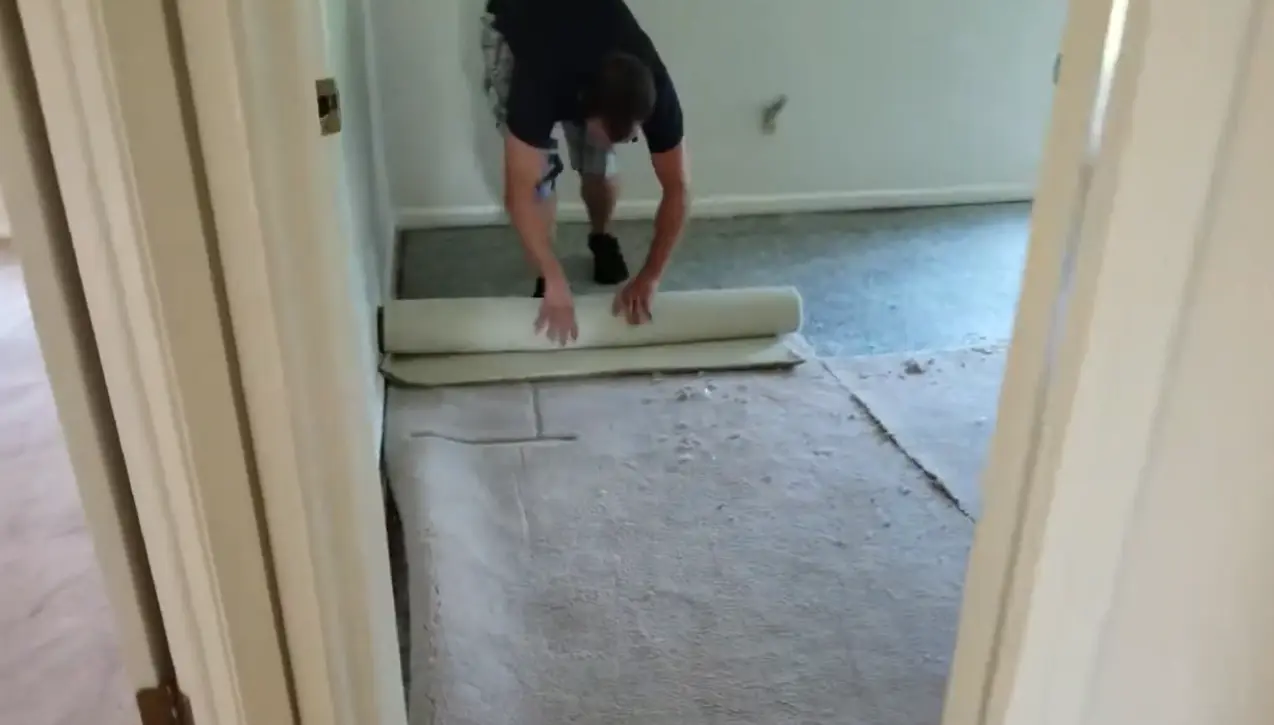
What Inspection Evidence May Document
Depending on the inspection, this can include photographs, written observations, moisture readings, and a record of which areas were found to be affected.
Inspection Documentation vs. Insurance Coverage
It’s important to keep these two things separate: documentation from an inspection can support an insurance claims process, but it does not determine coverage. Whether a specific loss is covered depends on your policy and your insurance company’s own claims review — an inspection provides evidence, not a coverage decision.
What Documentation This Business Provides
Documentation practices can vary depending on the specifics of your situation. If you’re planning to file an insurance claim, it’s worth confirming directly what will be provided before the inspection takes place so there are no surprises afterward.
What Are the Limitations of This Process?
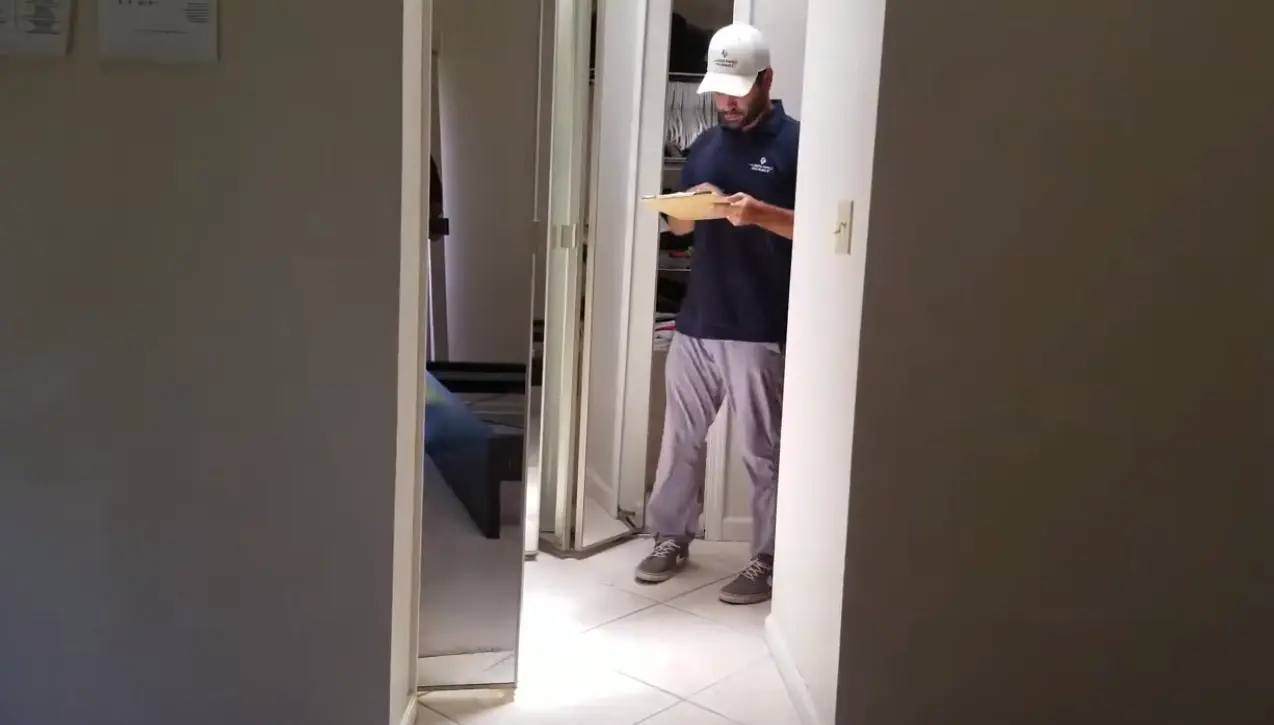
Being upfront about limitations is part of doing this work honestly.
Inaccessible Areas
Some spaces — behind finished walls, under certain flooring, inside sealed assemblies — can’t be checked without opening them up, which isn’t always part of a standard inspection.
Intermittent or Inactive Water Sources
A leak that isn’t actively occurring during the inspection may not produce the same readings it would during an active event, which can make an intermittent source harder to confirm on a single visit.
Changed Conditions
Conditions inside a structure can shift after an inspection is completed — a material that was drying at the time of the visit may behave differently a few days later.
Concealed Building Assemblies
Wall cavities, subfloor assemblies, and similar concealed spaces have real limits to what can be evaluated without physical access.
When Specialized Expertise May Be Needed
Depending on what’s found, some situations call for a specialist outside the scope of a water damage inspection — a structural engineer, a plumber, an electrician, or a specialized mold assessor. An inspection doesn’t replace that expertise; it can point toward when it’s needed.
Water Damage Inspection for San Diego Properties
Serving San Diego Properties
San Diego’s older housing stock, coastal humidity, and mix of slab and raised foundations all play a role in how water moves through a property once it gets in. A slab foundation, for instance, behaves very differently from a raised foundation when water reaches subfloor level — which is part of why an inspection tailored to the actual structure matters more than a generic checklist.
Residential Properties
AWM Water Damage Restoration provides water damage inspections for residential properties throughout California, working with the specific layout and construction of each home rather than a one-size-fits-all process.
Commercial and Multi-Unit Properties
Commercial and multi-unit buildings are also served, where inspections often need to account for shared walls, multiple units, and building-wide systems.
Areas Served in San Diego
AWM Water Damage Restoration is based in North Park and serves properties throughout California, including nearby areas such as Carlsbad, Del Mar, and La Mesa. If you’re unsure whether your specific location is covered, the fastest way to confirm is to reach out directly.
Why Choose AWM Water Damage Restoration?
Inspection Experience
AWM Water Damage Restoration is a licensed and IICRC-certified water damage restoration company operating throughout California, available 24/7 for both inspection and restoration needs.
Inspection Methods and Equipment
Inspections are performed using moisture meters and thermal imaging where appropriate, following the observation-to-interpretation process outlined above rather than a surface-level walkthrough.
Professional Credentials
AWM Water Damage Restoration is licensed and IICRC-certified, with insurance and bonding in place — credentials worth confirming directly if you’d like documentation for your own records.
San Diego Project Experience
Based at 3919 30th St, Union Cowork North Park, AWM Water Damage Restoration works with San Diego-area properties on a regular basis, from single-family homes to multi-unit buildings.
What to Expect From the Inspection
Before the Inspection
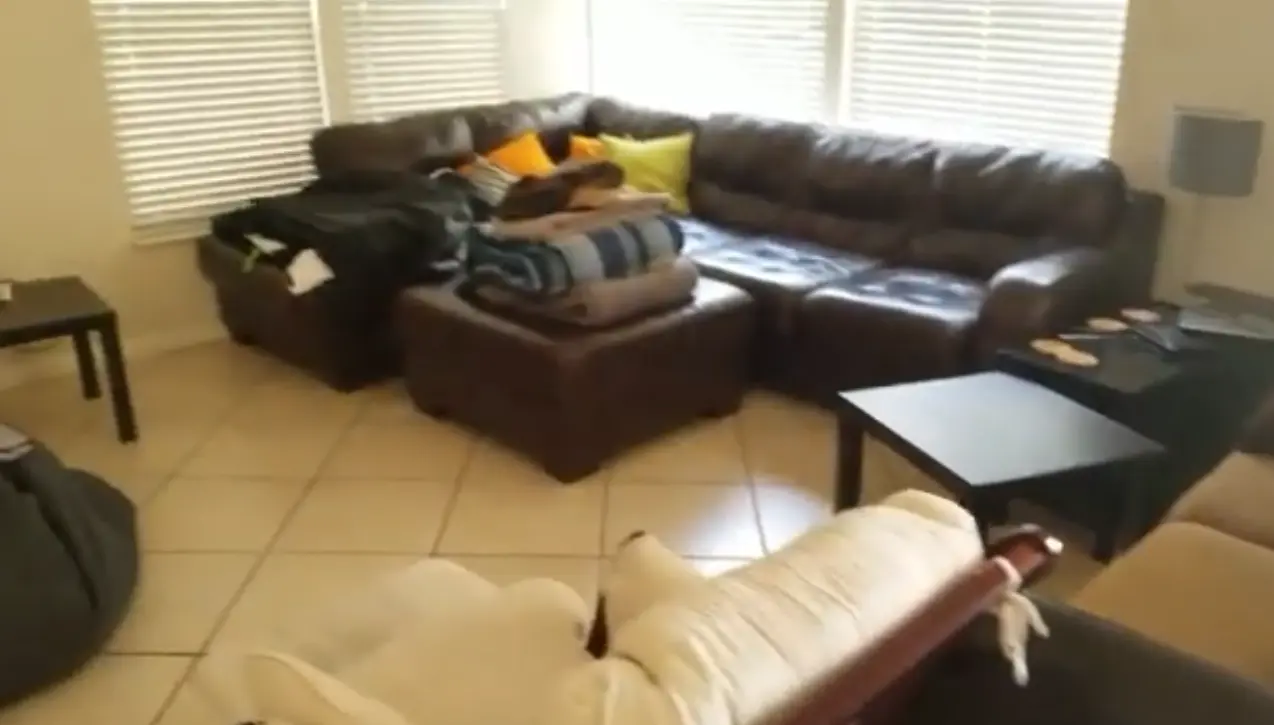
It helps to have a general idea of what happened, roughly when it happened, and which areas seem affected. If certain areas will need to be accessed — a closet, a cabinet, a crawlspace — clearing a path ahead of time can save time during the visit.
During the Inspection
The process generally follows the same sequence described earlier: observe the space, measure moisture where needed, investigate further where the evidence points, document what’s found, and interpret what it means for the property.
After the Inspection
You’ll walk away with findings, an honest account of any limitations in what could be checked, and recommendations for next steps. What specific deliverables are included — a written report, photos, moisture maps — is worth confirming directly when you schedule.
Water Damage Inspection FAQs
Do I need a water damage inspection if I can no longer see water?+
Yes — standing water disappearing doesn’t mean the materials underneath are dry. Drywall, subfloor, and framing can hold moisture well after the surface looks fine, and that trapped moisture is what tends to cause bigger problems later.
Can a water damage inspection find hidden moisture?+
In many cases, yes. Moisture meters and thermal imaging can help identify moisture in walls, floors, and other concealed areas that aren’t visible during a basic walkthrough — though some spaces without any access remain harder to fully confirm.
Does thermal imaging detect water?+
Not directly. Thermal imaging shows temperature differences across a surface, which can sometimes indicate moisture but can also be caused by other factors like insulation gaps. It’s used alongside moisture meters, not as a standalone water detector.
Can it find the exact source of a leak?+
Sometimes, but not always. An inspection can identify likely pathways and evidence pointing toward a source, but pinpointing an exact leak location can require dedicated leak detection or the involvement of a plumber, especially with slow or intermittent leaks.
Will you need to open walls or floors?+
Only in cases where the findings suggest it’s necessary to confirm what’s happening in a concealed area. It isn’t a standard part of every inspection and would generally be discussed with you first.
How long does the process take?+
It depends on the size of the property and how much moisture investigation is involved. The best way to get a time estimate for your specific situation is to reach out directly.
How much does it cost?+
Cost depends on the size of the property and scope of the inspection. Contact AWM Water Damage Restoration directly for pricing specific to your situation.
Is it free?+
This varies by situation — the most reliable way to find out is to ask directly when you reach out.
Will I receive an inspection report?+
Documentation practices depend on the specifics of your inspection. If a written report matters for your situation — for example, an insurance claim — confirm this directly when scheduling.
Can it help with an insurance claim?+
It can support your claim by documenting what was found, but it doesn’t determine coverage — that decision comes from your insurance company based on your policy.
Do you offer emergency inspections?+
AWM Water Damage Restoration is available 24/7. Contact them directly to discuss timing for your specific situation.
Related Services
Depending on where you are in the process, these related pages may help:
- Water Damage Restoration in San Diego — the full restoration process, start to finish
- Emergency Water Damage — what to do when water is actively spreading
- Water Extraction — removing standing water from a property
- Water Removal — getting water out quickly after a leak or flood
- Water Damage Mitigation — limiting further damage after water intrusion
- Water Damage Remediation — the 11-step drying and verification process
- Water Damage Cleanup — cleaning and treating affected areas after water loss
- Water Damage Assessment — a closer look at what a water damage evaluation covers
- Water Damage Repair — repairing materials once drying is complete
- Water Damage Restoration Blog — more guides on water damage in San Diego
Schedule a Water Damage Inspection in San Diego
AWM Water Damage Restoration is available 24/7 to evaluate water damage at your California property.
Call (781) 887-8424