Water Damage Assessment in San Diego, CA
Before any drying, removal, or repair begins, you need to know exactly what you’re dealing with. Certified technicians on call around the clock — clear findings, no guesswork.
What Is a Water Damage Assessment?
A water damage assessment is the process of figuring out the true condition of a property after water has gotten in — done before any water damage cleanup or repair work starts. The goal of a proper water damage assessment is to understand what actually happened to the building and its materials, not to rush into fixing things.
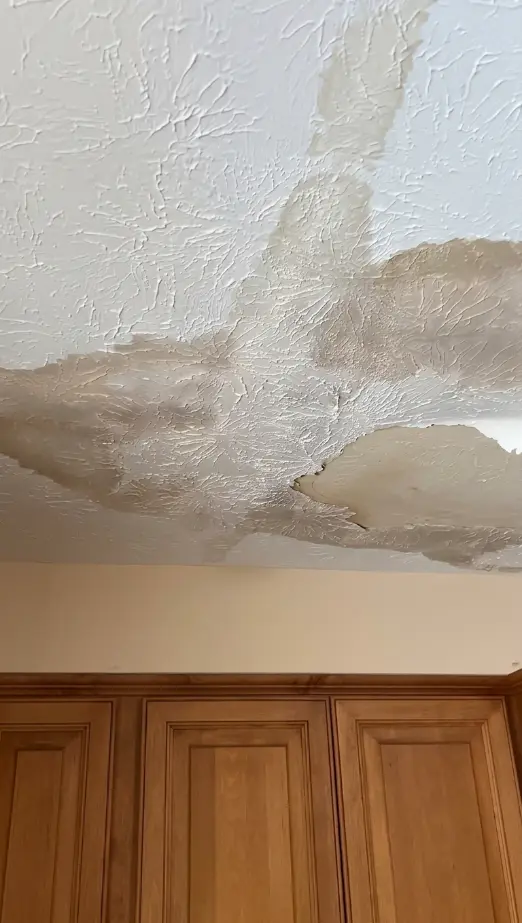
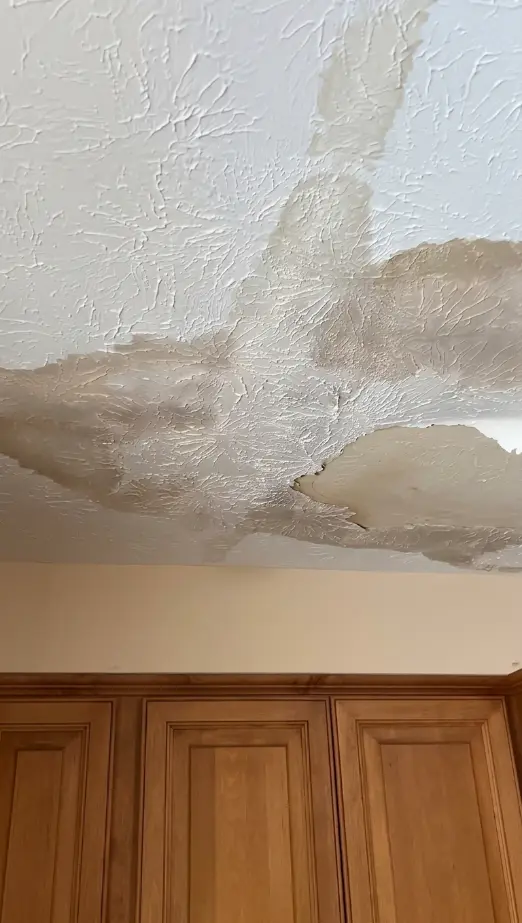
A trained eye looks at how far moisture has traveled, which materials were affected, and what level of digging is actually warranted. What you can see — a ceiling stain, a soft patch of flooring — is usually just part of the story. Water has a way of getting behind walls, under floors, and into spots you’d never notice on a quick walkthrough, which is exactly why a thorough water damage assessment matters.
This step is separate from repair or restoration. One investigates and documents; the other does the actual water damage restoration work — drying, tearing out, rebuilding — once the picture from the assessment is clear.
When Should You Get One Done?
It’s worth scheduling a water damage assessment any time water has gotten somewhere it shouldn’t and you’re not sure how far it’s spread. That covers situations like:
- A plumbing leak — pipe, fixture, or appliance
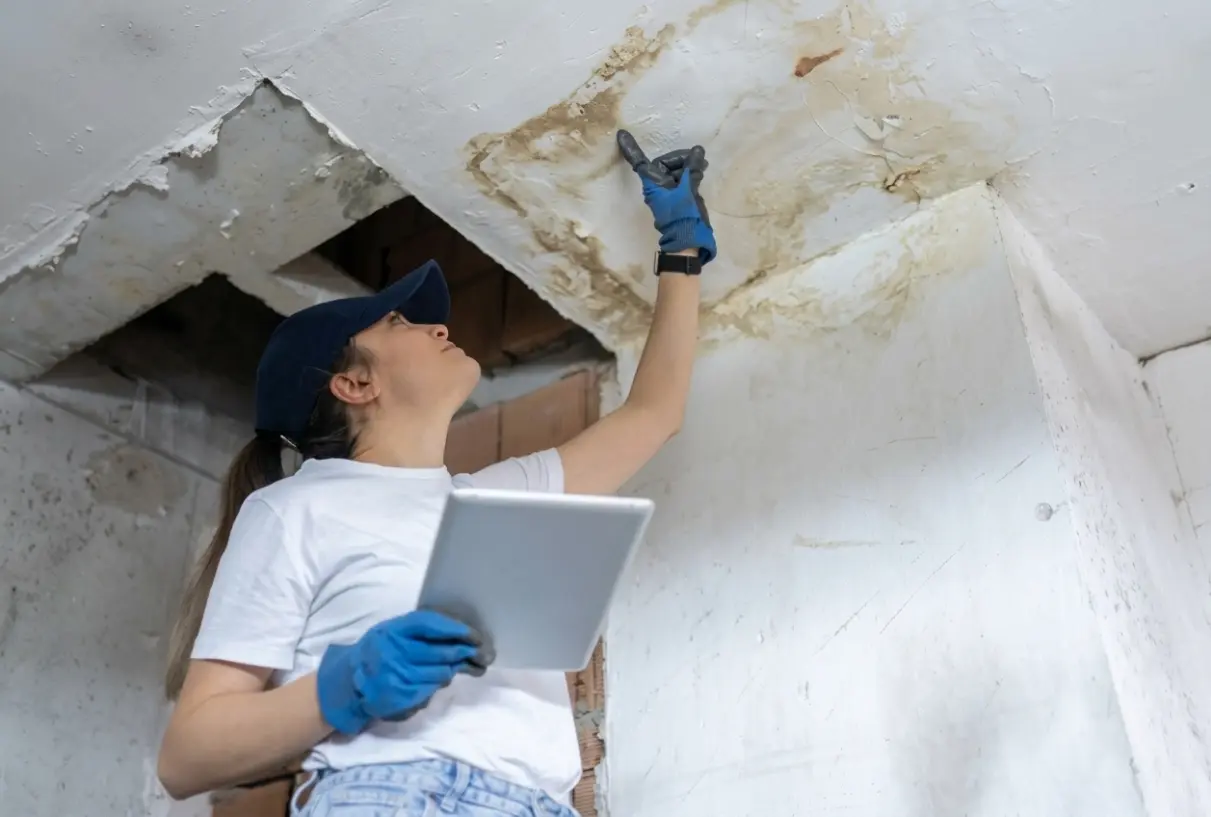
- A stain showing up on a ceiling or wall
- Flooring or carpet that’s stayed wet longer than it should
- Recent flooding or another intrusion event
- A hunch that moisture is hiding somewhere, even without visible signs
- A leak that seems to have stopped, just to be sure nothing was missed
- Basically, any time the extent of it isn’t obvious
In each case, a water damage assessment tells you whether the problem stays where you can see it, or runs deeper into the structure and needs proper water mitigation.
What Gets Checked
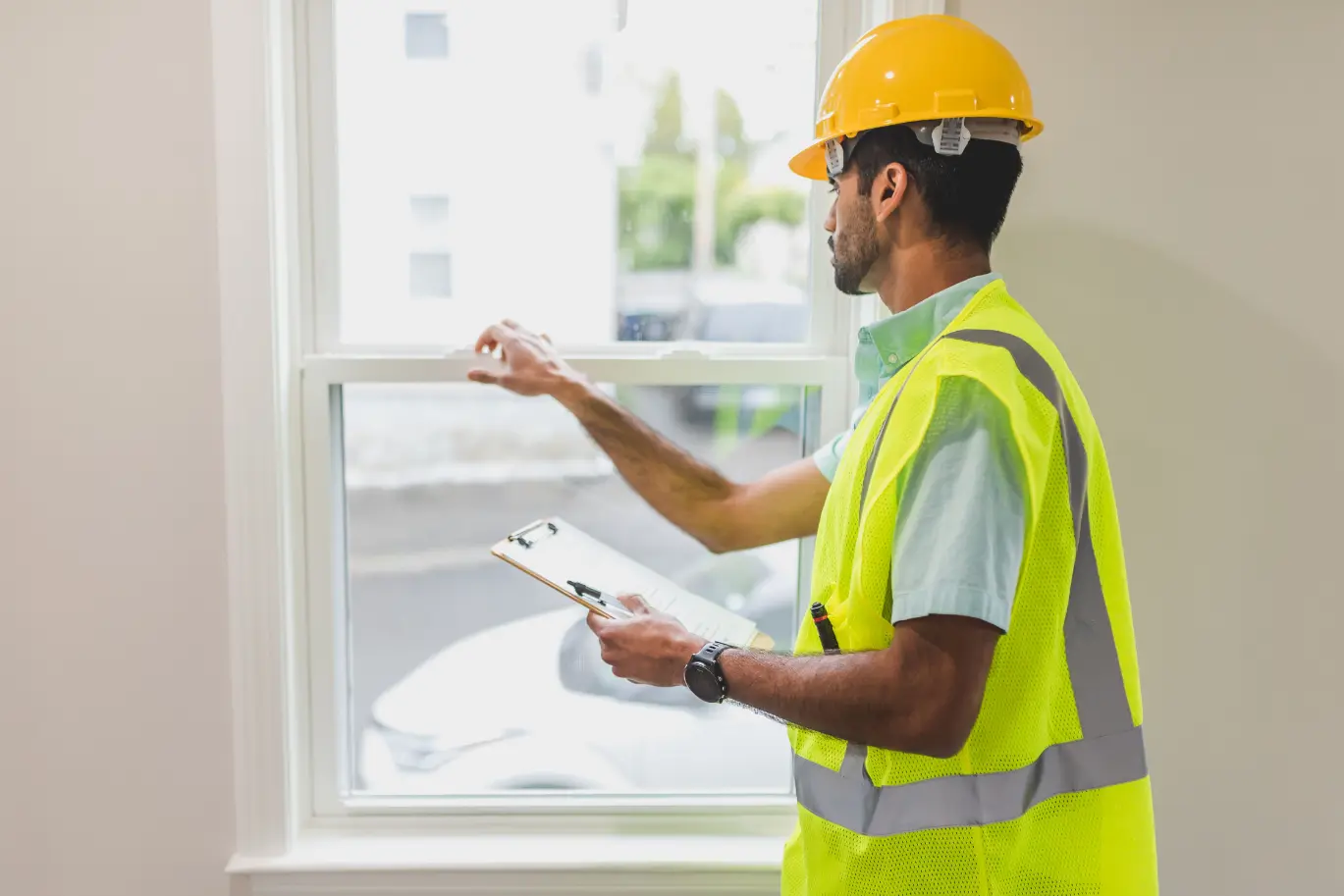
A thorough water damage assessment covers a lot of ground:
- Visible damage to walls, ceilings, flooring, and finishes
- Current moisture levels in the materials involved
- Which materials were hit, and how badly
- How far the affected area actually stretches — not just where it started
- Moisture that might be hiding in cavities, subfloors, or behind surfaces
- The path the water seems to have taken
- Where it likely came from
- Anything that might call for a closer look before deciding what’s next
How It’s Done
Getting an accurate water damage assessment usually means combining a few methods, not relying on just one. Standards set by the IICRC (Institute of Inspection, Cleaning and Restoration Certification) guide how technicians approach moisture mapping and material evaluation:
- A walkthrough of affected surfaces and the areas around them
- Moisture readings taken with the right tools to check material content
- Mapping to see how far the dampness actually extends
- Thermal or infrared scans, where they help, to flag temperature differences that might point to moisture
- Notes and documentation so nothing gets lost or misremembered
- Making sense of it all — what the numbers and readings actually mean for the property
Once the water damage assessment readings are in, the next move is usually proper water extraction before drying can really begin.
How Hidden Damage Gets Found
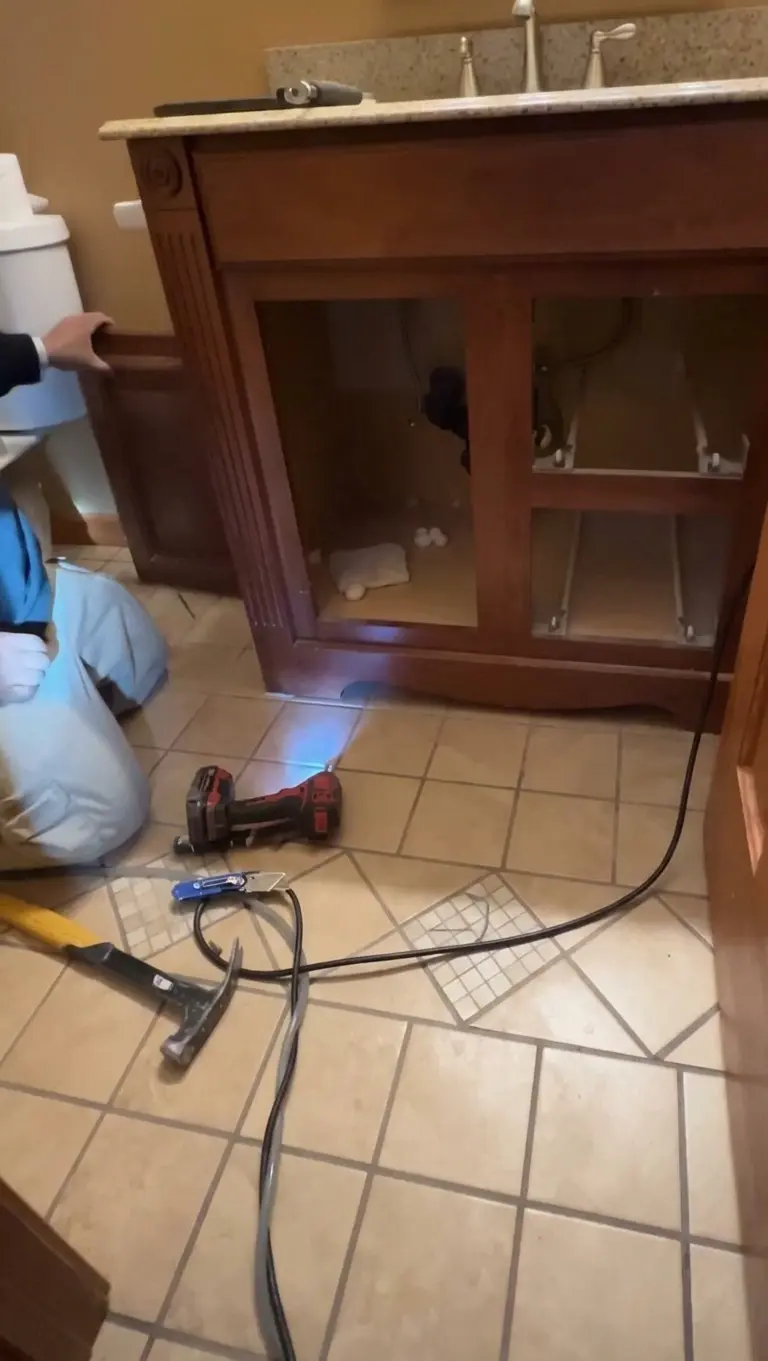
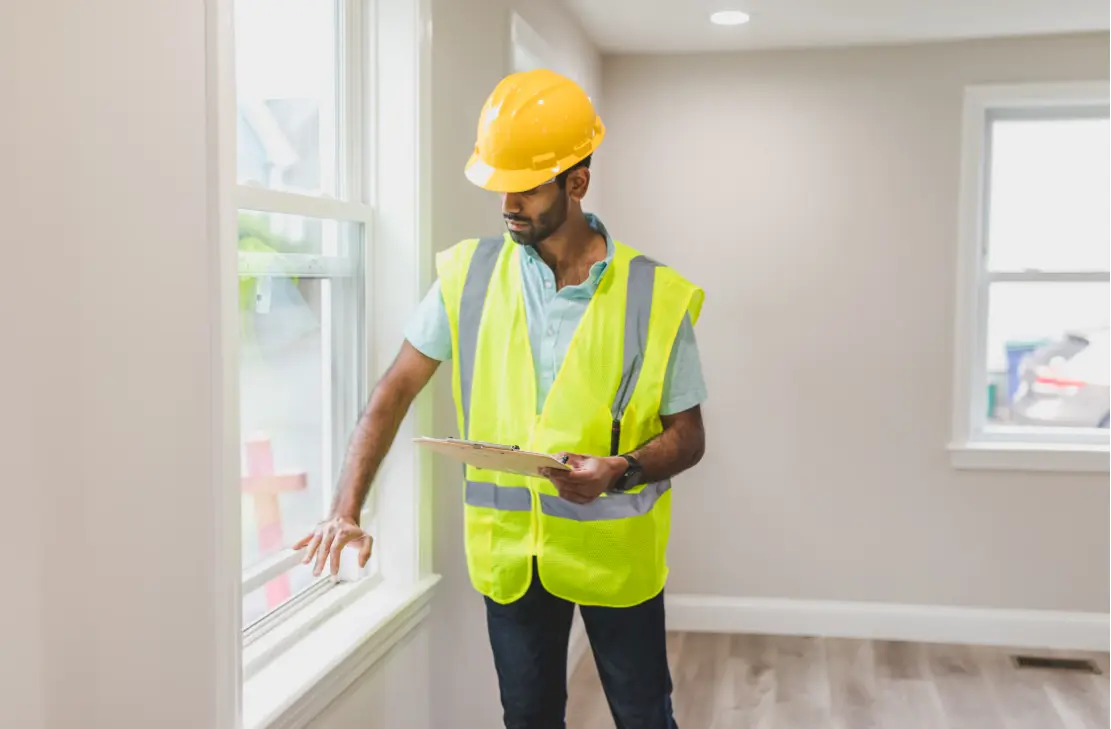
Moisture that’s out of sight is hard to catch precisely because it sits behind finished surfaces — inside wall cavities, under flooring, in spots that don’t show up on a normal walk through the house. This is where a professional water damage assessment earns its value: the areas that usually need a closer look are around plumbing lines, beneath cabinets, under carpet padding, and inside walls near wherever the water first got in.
Moisture tools let someone check material conditions without tearing anything open, and thermal imaging can help by pointing out temperature shifts that might mean dampness. No single method tells the whole story on its own, which is why a combination usually gets used during a water damage assessment before drawing any conclusions — and before any water removal work starts.
What the Process Actually Looks Like
Here’s roughly how a water damage assessment plays out, start to finish:
- Talking through what happened with the property owner
- Looking over the visible conditions in the affected areas
- Checking materials and surfaces close to the source
- Taking moisture readings
- Digging into hidden areas where it makes sense
- Writing down what was found
- Explaining what it actually means, in plain terms
- Laying out what should happen next
What You Actually Get Out of It
A finished water damage assessment report can tell you:
- How bad the damage really is
- Where moisture is currently sitting
- Which materials are affected
- Whether more digging is needed
- Whether drying or removal makes sense
- Whether the source itself needs repair
- Whether a specialist should take a further look
From there, it usually feeds straight into a water damage repair plan tailored to what the assessment actually found.
Does Wet Drywall Always Have to Come Out?
Not always. Getting wet doesn’t automatically mean it has to go. A few things factor into that call:
- How much moisture is still in the material
- What the material itself is made of
- How long it sat wet
- Whether the water source was contaminated
- Whether it can be dried out properly instead
All of that gets weighed together during the water damage assessment — it’s rarely a default “rip it out” decision, and it’s exactly the kind of judgment call a proper water damage remediation plan should account for.
What Happens Next
Depending on what the water damage assessment turns up, the next steps might include drying things out, removing water, pulling out damaged material where needed, fixing the source, digging deeper into areas that need it, doing the actual restoration work, or bringing in a mold specialist if conditions call for it.
Assessment vs. Restoration — What’s the Difference?
| Assessment | Restoration |
|---|---|
| Figures out the condition | Fixes the condition |
| Looks at how far it spread | Does the actual work |
| Checks moisture levels | Removes, dries, or rebuilds |
| Hands over the findings | Puts the solution in place |
What About Mold?
These are two separate things. One deals with the water itself — where it went, what it touched, what should happen next. Getting hit by water doesn’t automatically mean you need mold testing too; that only becomes relevant when the conditions point to it, like moisture that sat around too long or growth you can already see. The EPA’s mold guidance notes that mold can begin growing within 24–48 hours of water exposure, which is one more reason a timely water damage assessment matters. Either way, dealing with the moisture quickly is what matters most.
Why This Step Is Worth Doing Right
Not knowing how far things have spread, worrying about what’s hiding behind a wall, and not knowing how different materials hold up to water — all of that is exactly why it pays to have a proper water damage assessment done by someone who knows what they’re looking at. It leads to better decisions, cuts down on guesswork about what needs to go, and makes clear what to tackle first.
Serving San Diego
Properties around San Diego deal with water getting in for all kinds of reasons — burst pipes, roof leaks, appliances that fail at the worst time, and occasionally storm-driven flooding tracked by the National Weather Service San Diego office. AWM Water Damage Restoration, based at 3919 30th St, Union Cowork North Park, offers water damage assessment services across California and is reachable 24/7. The team’s IICRC certification and licensing have been verified. Beyond San Diego proper, the team also handles calls in Carlsbad, Del Mar, La Mesa, and San Marcos.
What It Costs
A few things move the water damage assessment cost around:
- How big the property is
- How extensive or complicated the damage looks
- How much investigating it takes to get a clear answer
- How much documentation is needed for the findings
Reach out to AWM Water Damage Restoration directly for pricing on your specific property.
What to Look for in Who You Hire
- A process they can actually explain to you
- Real experience with these kinds of conditions
- Proper measurement tools, used the right way
- Documentation that backs up what they find
- A straight answer about what the findings mean
- Clear recommendations for what comes next
- A business you can actually verify locally
- Credentials that hold up
Frequently Asked Questions
What does a water damage assessment actually involve?
A water damage assessment is the process of investigating and documenting what’s going on with a property after water gets in, before any repair or restoration starts.
How long does a water damage assessment take?
Depends on the size of the property and how far the investigation has to go to get a clear answer.
Do I need a water damage assessment even if the leak already stopped?
Yes — even when a leak seems done, this confirms whether moisture spread further than what you can see.
Can water damage really stay hidden?
Yes. It travels behind walls, under floors, into cavities you’d never spot on a normal look around.
Does thermal imaging actually work for this?
It can help by flagging temperature differences that might point to moisture, but it works best paired with other tools, not on its own.
Can a moisture meter pick up water behind a wall?
It can help flag elevated moisture in materials — it’s one of several tools used, not the whole picture by itself.
Does wet drywall always need to be torn out?
No. It comes down to how wet it still is, what it’s made of, how long it was exposed, and whether it can be properly dried instead.
Should I automatically get a mold inspection too?
Only if the conditions point that way — like moisture that sat around a while. It’s not an automatic add-on.
What comes after a water damage assessment is done?
Could be drying, removing water, pulling out damaged material, fixing the source, more digging, restoration work, or a mold evaluation if it’s warranted. Many of these steps overlap directly with water damage cleanup and water extraction services.
What determines the water damage assessment cost?
Property size, how complicated the damage looks, and how much investigating and documentation it takes.
Is a water damage assessment the same thing as restoration?
No. One figures out what’s going on and writes it down; the other does the actual fixing — drying, removal, rebuilding.
Can it tell me where the leak actually came from?
It can point to the likely path and source, which helps decide whether the source itself needs fixing.
Get Your Property Checked
AWM Water Damage Restoration serves properties throughout California, available 24/7.
📞 Call Now: (781) 887-8424Have water damage and not sure where to start? AWM Water Damage Restoration offers assessments across California, available 24/7.
Contact Us