Flood Damage Restoration San Diego
Flooded Home? Start HereFlood damage restoration San Diego homeowners need starts with safety. After flooding, keep people and pets out of the water, stay away from electrical hazards, stop the source only if it is safe, and photograph the damage before anything is moved. Call a professional when there is standing water, sewage or storm runoff, moisture in walls or floors, or damage you can’t fully dry yourself. The sooner extraction and drying begin, the less there is to repair.
First Few Minutes
What to Do Immediately After Flooding in San Diego
Safety comes before cleanup. If you are wondering what to do after flood damage, these steps go in order, and each one protects the next.
Protect people, pets and the property
Standing water can hide electrical hazards and weakened floors. Don’t stand in water near outlets, cords or appliances, and keep children and pets out of the affected area. If you suspect electrical or structural danger, leave and call for help.
Stop the water source if it is safe
For a plumbing leak or a failed supply line, close the fixture shutoff or the main water valve. Sewer backup and stormwater from outside can’t be stopped from inside, so don’t wade in to try.
Document the damage
Take photos and video of each affected room, the standing water, damaged materials and the visible source before anything is moved. This record helps later with the insurance side.
Call a professional when the situation calls for it
See the list below.
When to Call a Flood Damage Restoration Professional
Call now if there is
- Significant standing water
- Sewage or contaminated water
- Widespread or hidden moisture
- Structural or electrical concerns
- Major storm flooding
While you wait
- Keep people away from affected areas
- Keep your photos and notes
- Move safe, dry belongings out of the way
- Skip unsafe cleanup attempts
What Type of Flood Damage Are You Dealing With?
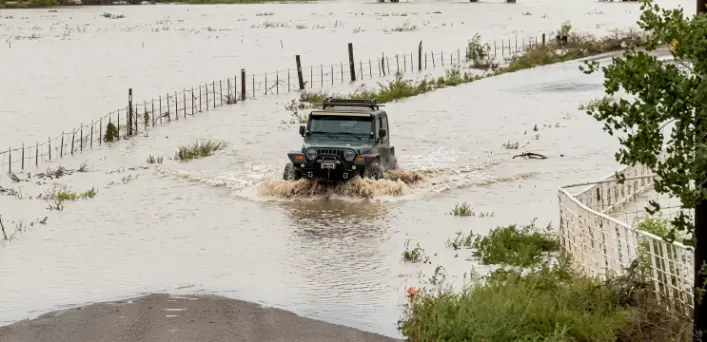
What is considered flood damage? In practice, it is damage from water that enters or collects where it shouldn’t, whether it came from outside or from a plumbing, appliance or sewer failure. Insurers may define “flood” more narrowly, so check your policy. The source decides how the water is classified, how risky it is and what gets cleaned or removed.
Indoor flooding
Plumbing leaks, pipe failures, and appliance or supply-line failures. Often cleaner at the start, but it can soak walls and floors quickly.
Storm and rain flooding
Heavy rain, surface runoff, localized flooding and flash flooding. Runoff picks up soil and contaminants on the way in.
Sewer and wastewater
Sewer backups and wastewater intrusion. These contaminate materials and need protective equipment and decontamination.
External floodwater
Water entering from outside through drainage, waterways or coastal and tidal conditions.
Why the source matters
Tell the restoration company clearly where the water came from. It changes the whole plan. Restoration also doesn’t fix the original cause, so a plumber or drainage specialist may still be needed. A pipe or appliance failure is handled the same way as any other water damage restoration job.
Is Floodwater Contaminated?
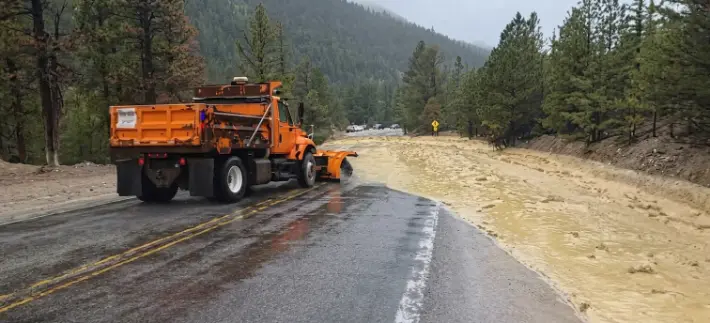
Assume floodwater from outside, or from a drain or sewer, is contaminated until it has been assessed.
Clear-looking water
Clear doesn’t mean clean. Water that has moved through walls, floors or soil can carry things you can’t see.
Stormwater and runoff
Runoff can carry soil, debris, oils and other contaminants into the home.
Sewage and wastewater
Treat any sewage as a health hazard. Keep people out and call a professional.
Unknown source
If you can’t tell where it came from, handle it with the same caution as contaminated water.
How contamination changes the restoration
- Safety: protective equipment for the crew
- Material removal: porous materials exposed to contaminated water are often removed
- Cleaning and decontamination: more than a standard wipe-down
- Disposal: handled separately from regular debris
How Flooding Can Damage a Property
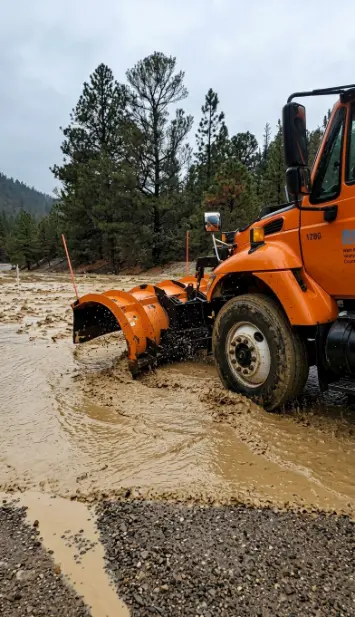
Flood damage in San Diego homes rarely stays where you can see it. Water travels, and the visible wet area is rarely the whole problem.
Floors
Carpet, hardwood, laminate, tile, plus the underlayment and subfloor beneath.
Walls and ceilings
Drywall, wall cavities, baseboards and insulation.
Cabinets and wood
Wood and particleboard can swell, warp and hold moisture.
Contents
Furniture, upholstery and personal belongings.
Building systems
HVAC components, electrical systems and plumbing.
Hidden damage
Moisture behind walls, under flooring, inside cabinets, in insulation and subfloors.
Assessment
Flood Damage Inspection and Assessment
A proper water damage inspection turns a wet property into a clear scope of work.
Identify the source
Where the water came from, and whether it is still entering.
Determine affected areas
Rooms, floors, walls and ceilings the water reached.
Assess water and contamination conditions
Clean, contaminated or unknown, which sets the safety and cleanup approach.
Check visible and hidden moisture
Moisture meters help check walls, flooring, cabinets and subfloors.
Evaluate materials and structure
Sort materials into potentially salvageable, damaged, and needing further assessment, and check for structural concerns.
Create a restoration scope
- What requires extraction
- What requires drying
- What requires removal
- What may require reconstruction
Flood Water Extraction in San Diego
Flood water extraction in San Diego removes standing and bulk water first, using pumps, extraction equipment and wet vacuums. It is the start of drying, not the end.
Structural Drying After Flooding
Structural drying after a flood removes moisture from the building itself, and it is tracked rather than assumed.
Air movement
Air movers push air across wet surfaces.
Dehumidification
Dehumidifiers pull moisture out of the air.
Moisture monitoring
Readings at the start, during drying and at final verification.
Hidden areas
Wall cavities, subfloors, cabinets and insulation.
Flood Cleanup and Contaminated Material Removal
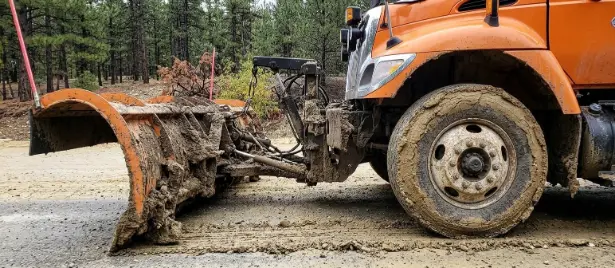
Flood cleanup in San Diego covers mud, silt and debris, surface cleaning and, for contaminated flood water cleanup after sewage or runoff, decontamination. Flood remediation then comes down to a salvage-or-remove decision for each material.
Porous materials
Drywall, insulation, carpet and upholstery are often removed after contaminated water.
Hard, non-porous materials
Usually easier to clean and often salvageable.
Cabinets and wood
Judged by saturation and hidden moisture.
Contents and systems
Belongings, HVAC and other systems are assessed individually.
The decision rests on condition, water exposure, contamination, material type and extent of damage.
Mold Risk After Flooding
Flooding doesn’t always cause mold, but materials that stay wet create the conditions for it. Porous materials and hidden moisture carry the most risk, and proper drying lowers it.
Signs moisture may still be present
If you see or suspect mold, stop and get an assessment. Professional mold remediation may be needed, and the moisture source has to be fixed or it will return. The EPA’s mold resources explain moisture control.
The Process
Flood Damage Restoration San Diego: The 12-Step Process
A flood restoration company in San Diego should be able to walk you through each of these steps.
Emergency response and safety
Identify the water source
Inspect and assess the damage
Determine water and contamination conditions
Extract standing water
Remove unsalvageable materials
Clean and decontaminate
Perform structural drying
Monitor and verify moisture levels
Final inspection
Prevention and follow-up
How Long Does Flood Damage Restoration Take in San Diego?
There is no single answer to how long flood damage restoration takes. Response, assessment, extraction, drying, cleanup and repairs each run on their own clock, and drying is finished when moisture readings say so.
What changes the timeline
Mitigation and drying come first. Reconstruction is scheduled afterward and runs on its own timeline. For a fuller walkthrough of a job, read our water damage restoration guide.
How Do You Know Flood Damage Was Properly Addressed?
- Standing water has been removed
- Affected areas have been inspected
- Hidden moisture has been considered
- Damaged materials have been evaluated
- Necessary cleaning and decontamination is complete
- Drying was monitored
- Moisture levels were verified
- Remaining repairs have been identified
- A final inspection was completed
What If Flooding Happens Again?
Find out why it returned before restoring again. To reduce damage caused by floods next time, start with the source. Restoration dries and cleans the damage, but it doesn’t fix the cause.
Another professional assessment is worth it when moisture, odor or staining comes back. To lower the risk next time, fix the original source, deal with drainage and water entry, prepare for heavy rain, maintain plumbing and building systems, and keep your damage and restoration records.
Cost
How Much Does Flood Damage Restoration Cost in San Diego?
There is no honest flat price. Flood damage restoration cost in San Diego comes from an assessment of your property, not a number quoted before anyone has seen the water.
What drives the cost
Mitigation vs repair
Extraction, drying equipment, monitoring and cleanup.
Rebuilding drywall, flooring, cabinetry and finishes that couldn’t be saved.
Ask before you agree
- Is extraction, drying and monitoring included?
- Is demolition or reconstruction separate?
- Are emergency or after-hours charges different?
- Is the estimate in writing?
Flood Damage and Insurance in California
Does homeowners insurance cover flood damage? Standard policies generally don’t. Flood coverage is a separate policy, such as one through the National Flood Insurance Program, and it typically takes 30 days to take effect after purchase.
Why the cause matters
A burst pipe, sewer backup and rising outside water can each be treated differently by a policy.
What to document
Photos and videos, damaged contents, damaged building materials and restoration records.
Working during a claim
Keep receipts and ask your insurer what emergency mitigation is allowed.
Questions to ask your insurance company
- Is this type of water damage covered?
- Do I have flood or sewer backup coverage?
- What deductible applies?
- What documentation is required?
- Should I wait for an adjuster before mitigation?
Local Conditions
Flood Risk in San Diego
According to the County of San Diego, seven principal watersheds cross the county: Santa Margarita, San Luis Rey, San Dieguito, San Diego, Sweetwater, Otay and Tijuana. Localized flooding can happen even in average seasonal rainstorms.
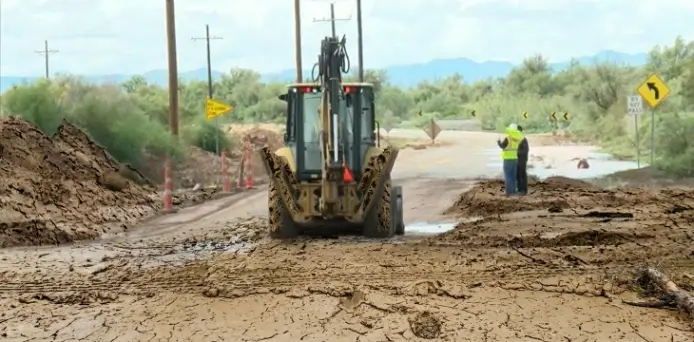
Which areas of San Diego are flooded most often? Within the city, Chollas, Mission Valley, Sorrento Valley and the Tijuana River Valley have been identified as among the most flood-prone areas, and the central and eastern county is most susceptible to flash floods because of its canyons and dry creek beds. Risk differs across the county, and coastal and tidal conditions add another factor near the shore.
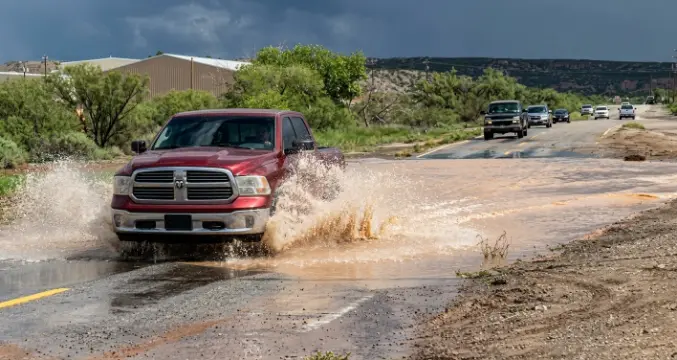
San Diego flash flooding is caused by heavy rain in a short period, generally under six hours, and a warning can leave 30 minutes or less to act. For a San Diego flood warning, check current conditions with the National Weather Service in San Diego and the County’s flood warning page.
Emergency Flood Restoration Availability in San Diego
If you need emergency flood damage restoration in San Diego, “24/7” can mean several different things. Ask which apply, including for emergency response.
24/7 phone
Someone can answer.
Emergency dispatch
A team can be assigned.
Technician availability
Someone is actually available.
Same-day response vs completion
Arriving and finishing are different.
Storm conditions, road access, property conditions and service demand can all affect response time. Don’t trust a specific response-time claim unless it can be verified.
San Diego Areas Served
Searching for flood restoration near you? To confirm service for your property, call (781) 887-8424 with your address and we’ll tell you whether we can help. Nearby, we also have pages for Carlsbad, Del Mar and La Mesa.
Got Questions?
Frequently Asked Questions About Flood Damage Restoration
What should I do immediately after my house floods?
Keep people and pets out, avoid electrical hazards, stop the source only if it’s safe, photograph the damage and call a professional if there is standing water, contamination or hidden moisture.
Is floodwater safe to clean up myself?
Not if it came from outside, a drain or a sewer. Treat it as contaminated until assessed.
How quickly should standing floodwater be removed?
As soon as it’s safe. The longer materials stay wet, the more damage and mold risk.
Is water extraction enough after a flood?
No. Moisture remains in floors, walls, subfloors and cabinets and needs structural drying.
What is structural drying?
Drying the building materials with air movement and dehumidification, with moisture readings to track progress.
How long does flood damage restoration take?
It varies with the water, materials, hidden moisture and area. Drying is done when readings say so, and repairs follow separately.
Can wet drywall be saved after flooding?
Sometimes. Drywall exposed to sewage or contaminated floodwater is usually removed.
Can carpet be saved after flood damage?
Sometimes, with clean water caught quickly. Contaminated water or long exposure makes it unlikely, and the pad is judged separately.
Can flooding cause mold?
Not always, but materials that stay wet create the conditions for it. Fast drying lowers the risk.
How do I know if moisture is trapped inside walls or flooring?
You can’t tell by looking. Moisture meters and monitoring are used to check.
Does homeowners insurance cover flood damage?
Generally no. Flood usually needs a separate policy, so check yours.
Does flood insurance cover flood damage?
Often, for covered losses, but it typically takes 30 days to take effect and depends on the policy.
What happens if sewage enters my home?
Keep people out and call a professional. Contaminated materials need protective equipment, removal and decontamination.
What does 24/7 flood restoration actually mean?
It can mean phone answering, dispatch, technician availability, arrival or on-site work. Ask which apply.
What happens if my property floods again?
Find out why. If the source wasn’t fixed or moisture remained, it can recur, so fix the cause and verify dryness.
Need Flood Damage Restoration in San Diego?
Call, describe what happened, and you’ll get the next step for your situation, whether that’s a water damage assessment or something to do first. You can also read about our team or learn more about AWM Water Damage Restoration.
What to tell us
Your address, where the water came from, which rooms are affected, any electrical concern and your insurer if filing a claim. See our privacy policy.
What to expect
A walkthrough with moisture checks and a written scope of the recommended work.